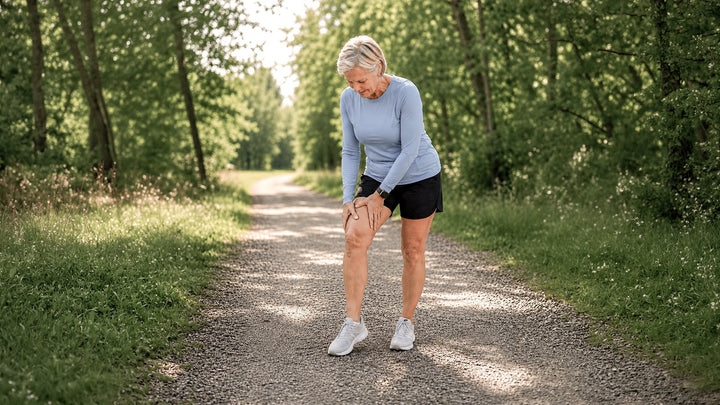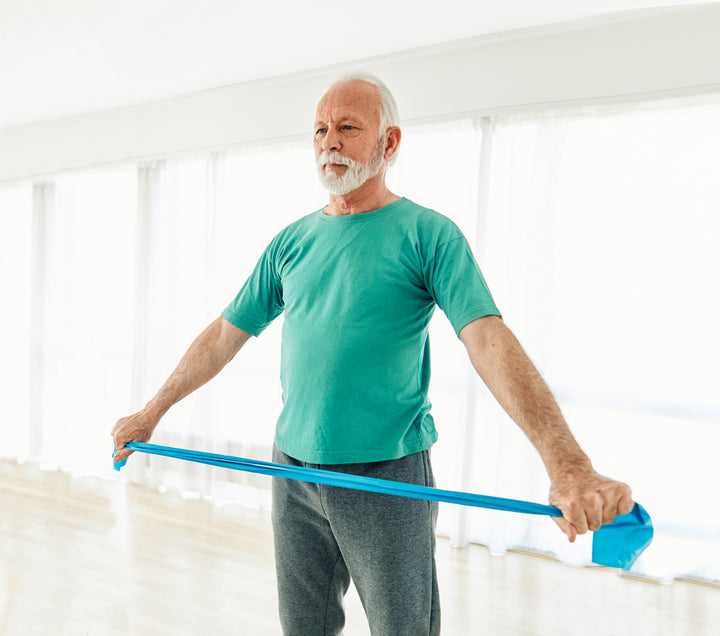

Knee pain is one of the most common complaints both during exercise and in everyday life. When it hurts, the spontaneous reaction is often to stop moving altogether – but total rest is rarely the best solution. At the same time, the wrong type of activity can worsen the discomfort. The balance between load and recovery is crucial for how quickly the knee calms down and regains function.
If you want to read more about symptoms and underlying causes, we recommend our Injury Guide for Knee Problems.
Rest or movement – what does the research say?
For most common knee problems, such as overload, runner's knee, jumper's knee, or osteoarthritis, research shows that adapted movement is often better than total rest.
The knee joint generally benefits from circulation, muscle activation, and gradual loading. Prolonged inactivity can lead to:
- Reduced muscle strength in thighs and buttocks
- Increased stiffness in the joint
- Poor stability and control
- Longer recovery time
However, that doesn't mean you should ignore the pain. The right level is crucial.
When is rest appropriate?
Temporary relief may be wise when:
- The pain is sharp and sudden
- The knee is clearly swollen and warm
- You are limping heavily.
- The pain increases rapidly with exertion
During these periods, it may be helpful to reduce the load for a few days, cool down if necessary, and avoid provocative activities. The goal is to calm the irritation – not to become completely sedentary.
When is movement better?
In most cases, controlled movement is what helps the knee recover. This may include:
- Walking at a leisurely pace
- Low-load cycling
- Mobility exercises
- Strength training with adapted squat depth
- Exercises for the buttocks and hips
A simple rule of thumb is that the pain should be manageable during the activity and not worsen significantly the next day.
Common mistakes when dealing with knee pain
Many fall into one of these two extremes:
Total rest for too long – the knee feels better at first but becomes weaker and more sensitive when the load is resumed.
Continue as usual despite pain – you keep going with the same intensity, which prolongs the irritation.
The key is instead to adjust the load, not to stop completely.
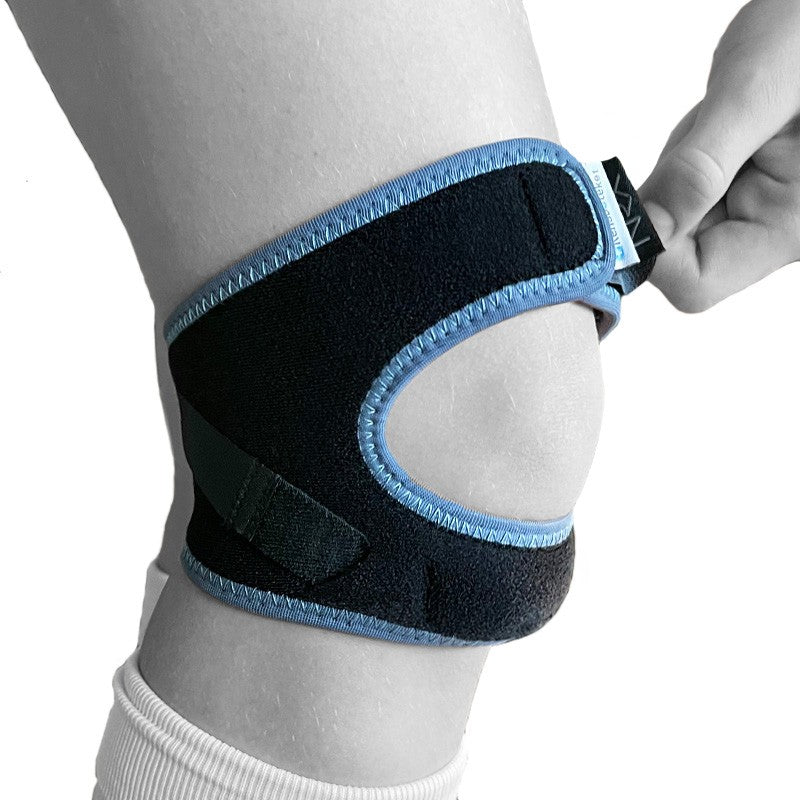
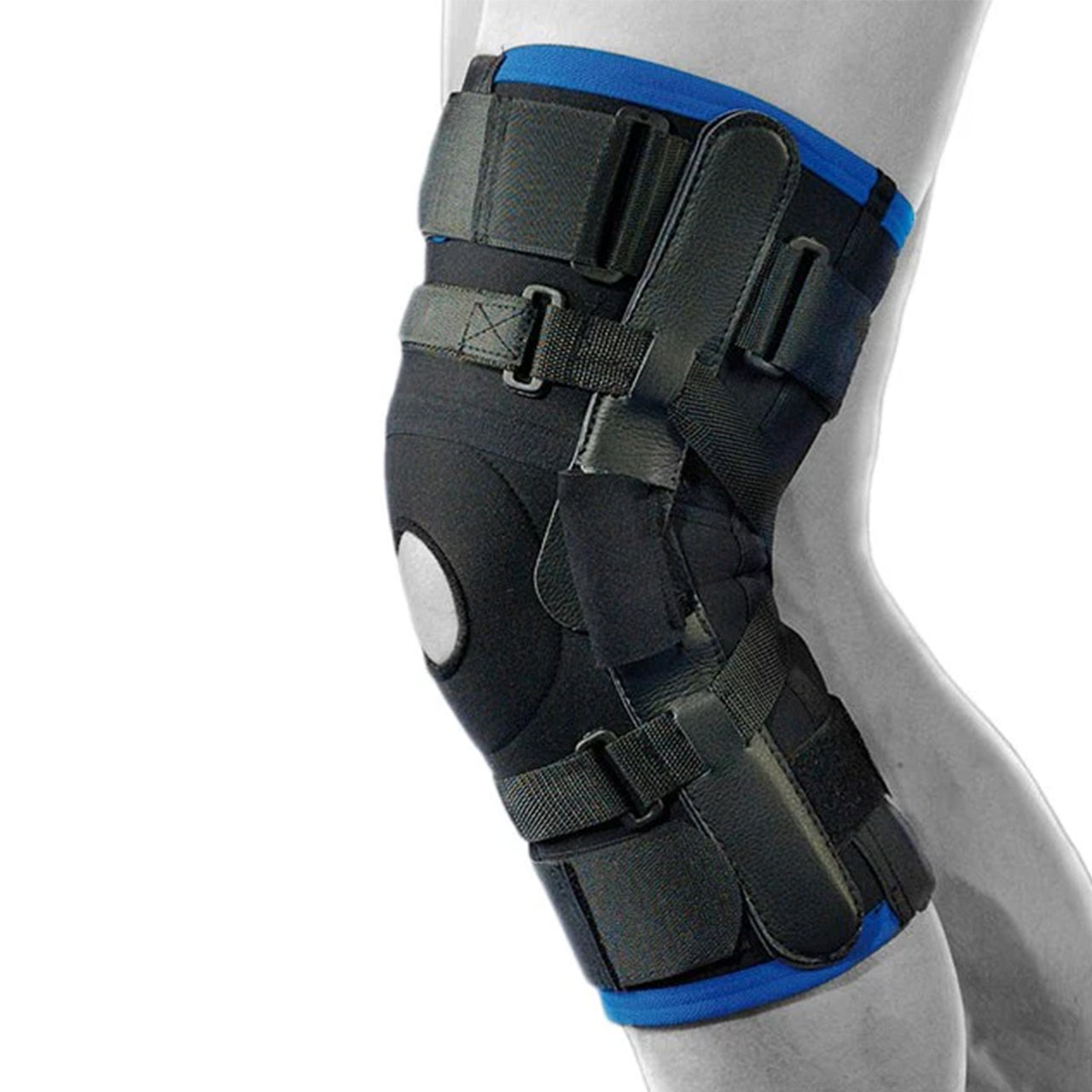
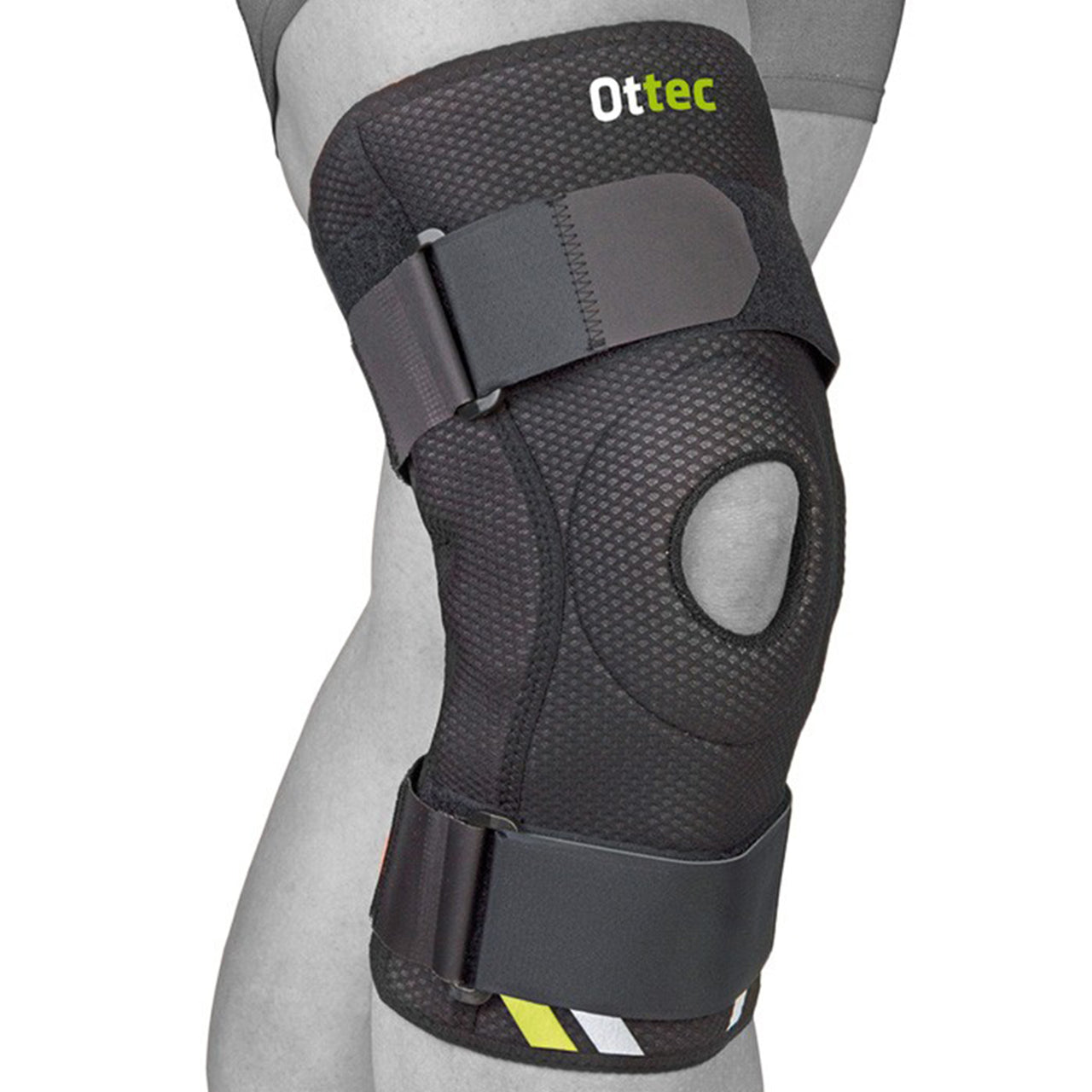
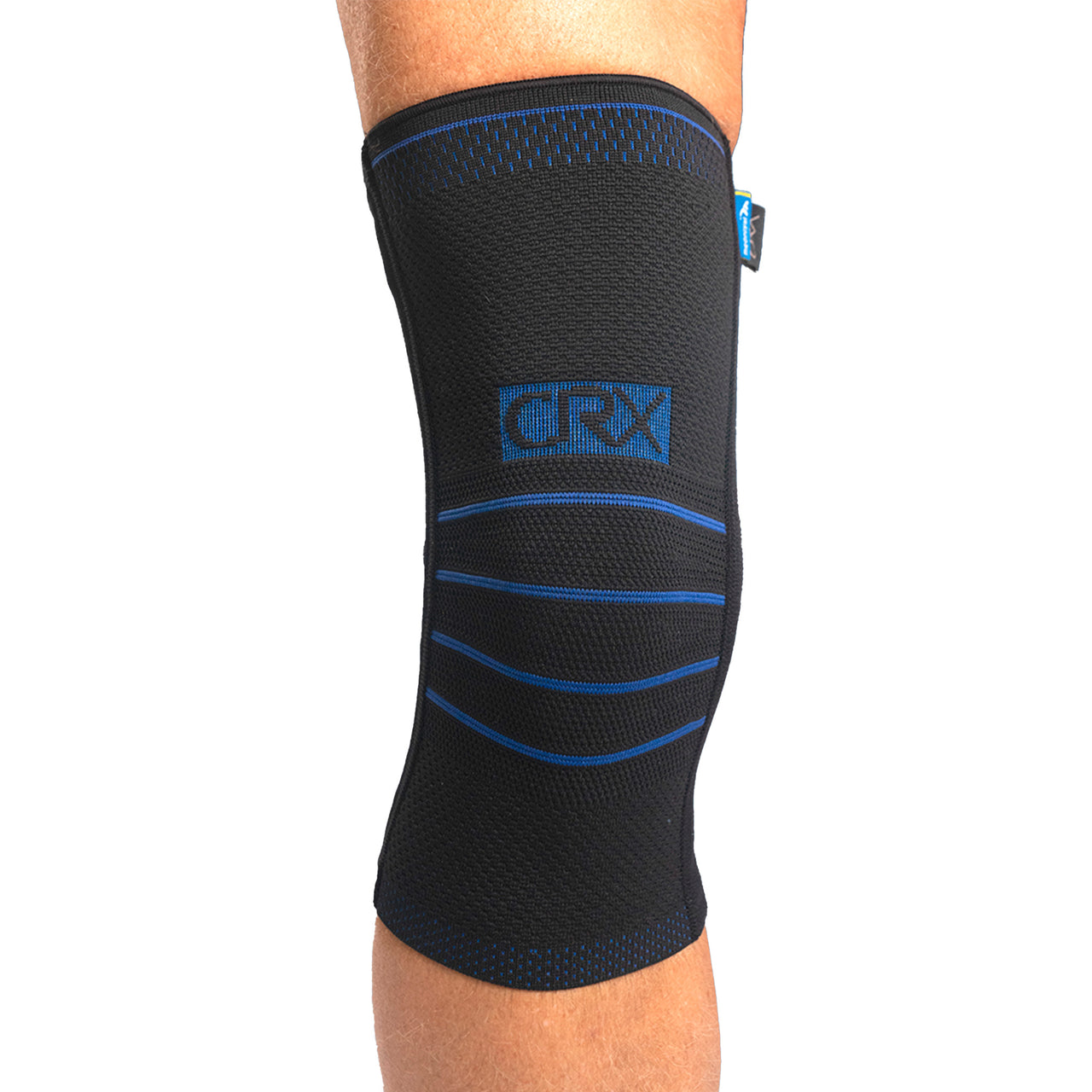
How can a knee brace help in the meantime?
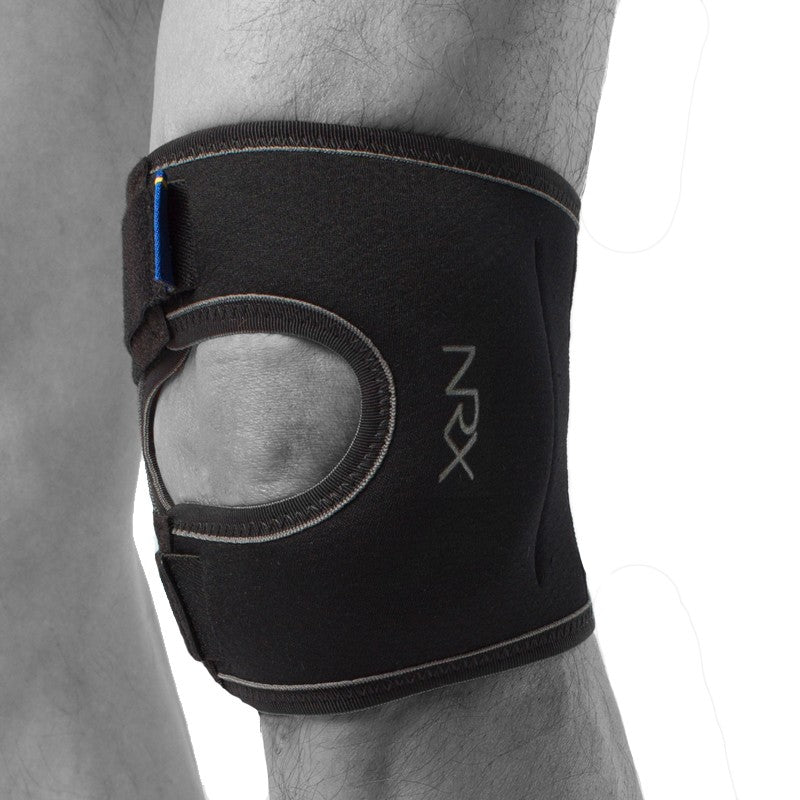
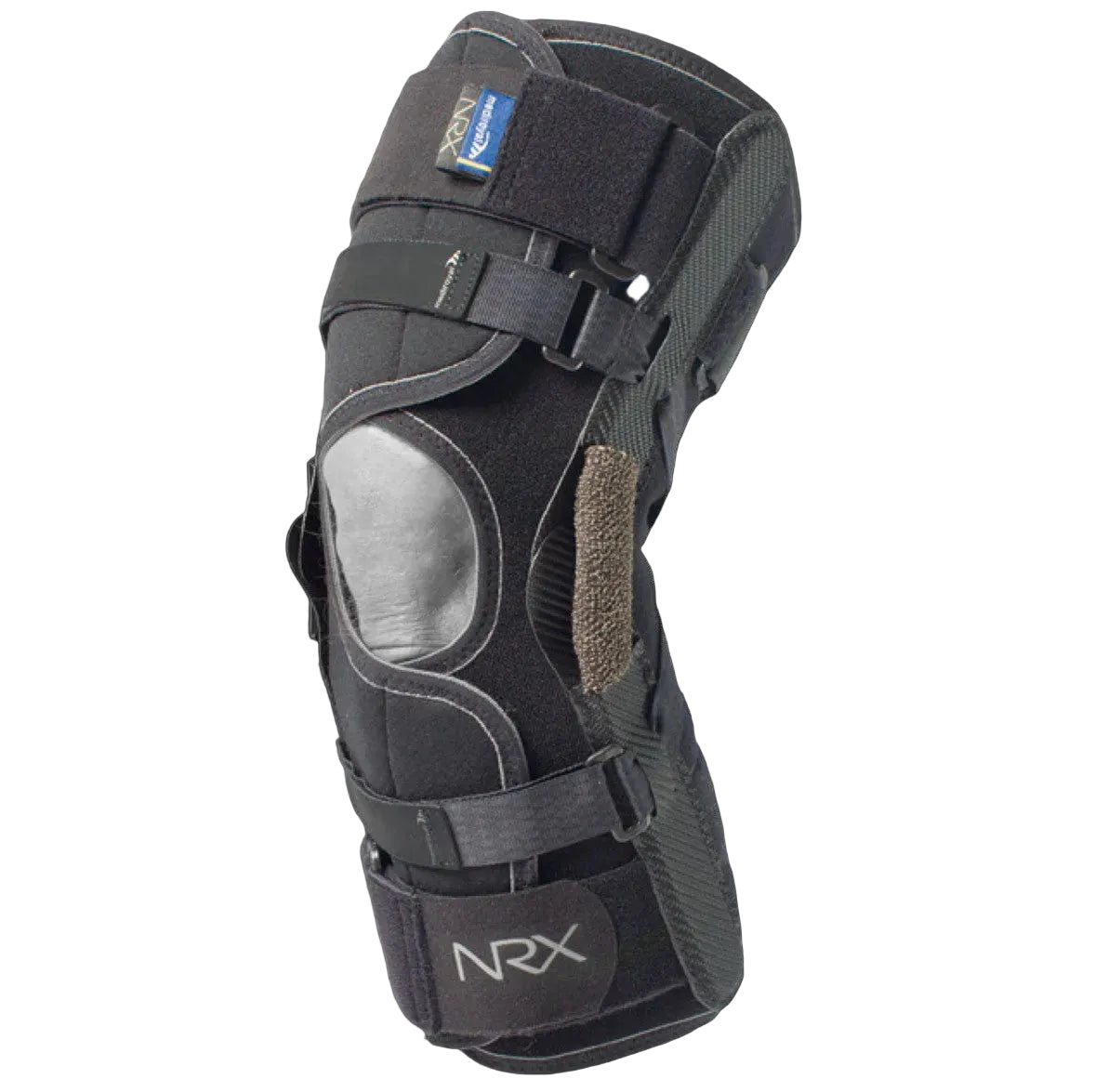
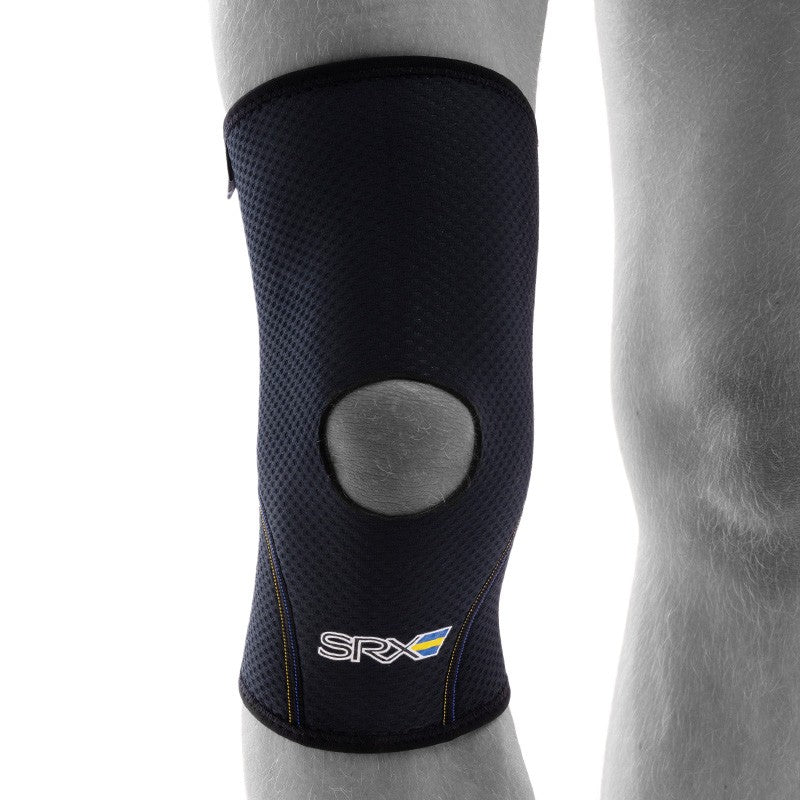
A knee brace can help:
- increased stability
- reduced perceived pain during activity
- increased confidence when returning to training
However, it is important to see knee pads as a complement to training, not a replacement for strengthening muscles and improving movement control.
See our range of knee braces that can contribute to stability and safety during training and everyday life.
A practical model: 3 steps back to movement
- Calm the irritation – reduce the provocative load for a few days
- Reintroduce movement gradually – low-intensity activity without increasing pain
- Build strength – focus on thighs, buttocks, and core for better knee control
When you can move without the pain increasing over time, you are on the right track.
Summary
Knee pain is rarely a question of rest or movement – but rather the right amount of movement at the right time. Total inactivity can delay recovery, while controlled loading often strengthens the knee and reduces discomfort over time.
If you want to understand more about symptoms, causes, treatment, and when it may be wise to seek care, we recommend our Injury Guide for Knee Problems.
If you would like help choosing the right product based on your complaints, you are always welcome to contact our physiotherapist for personal advice.