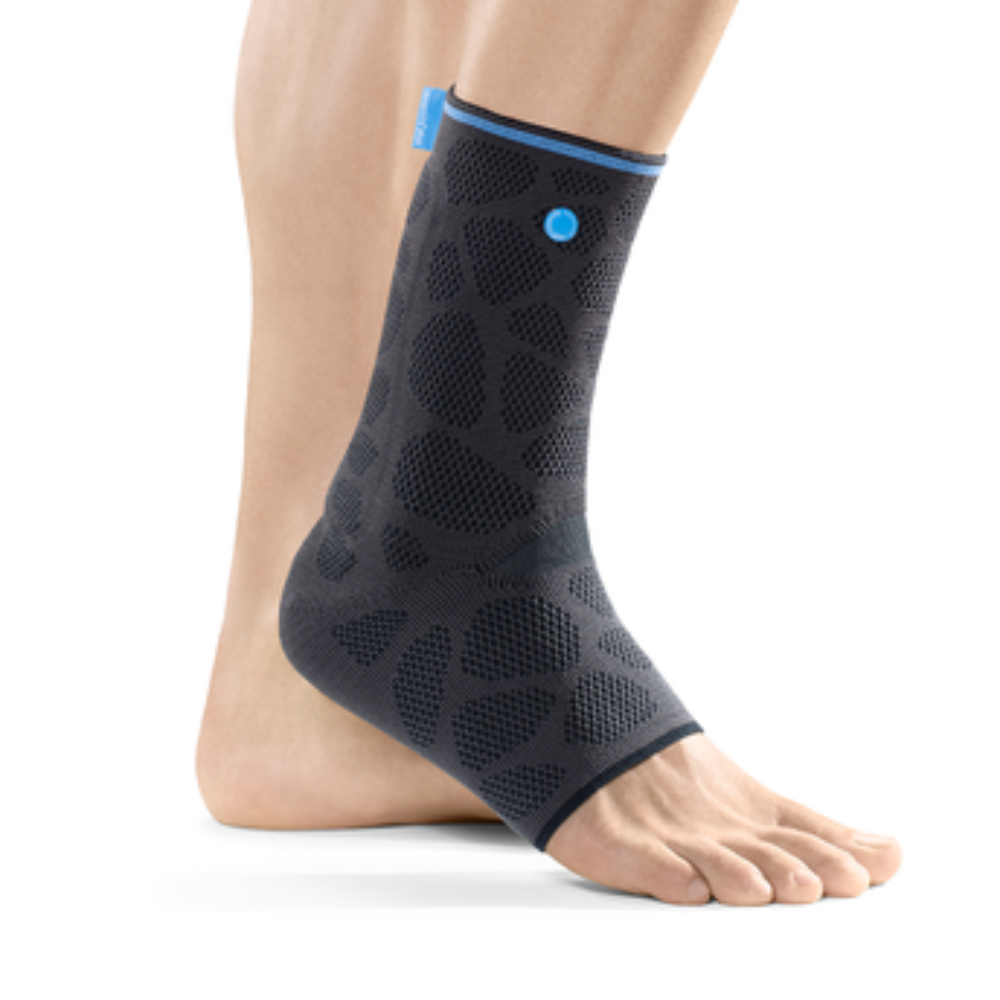
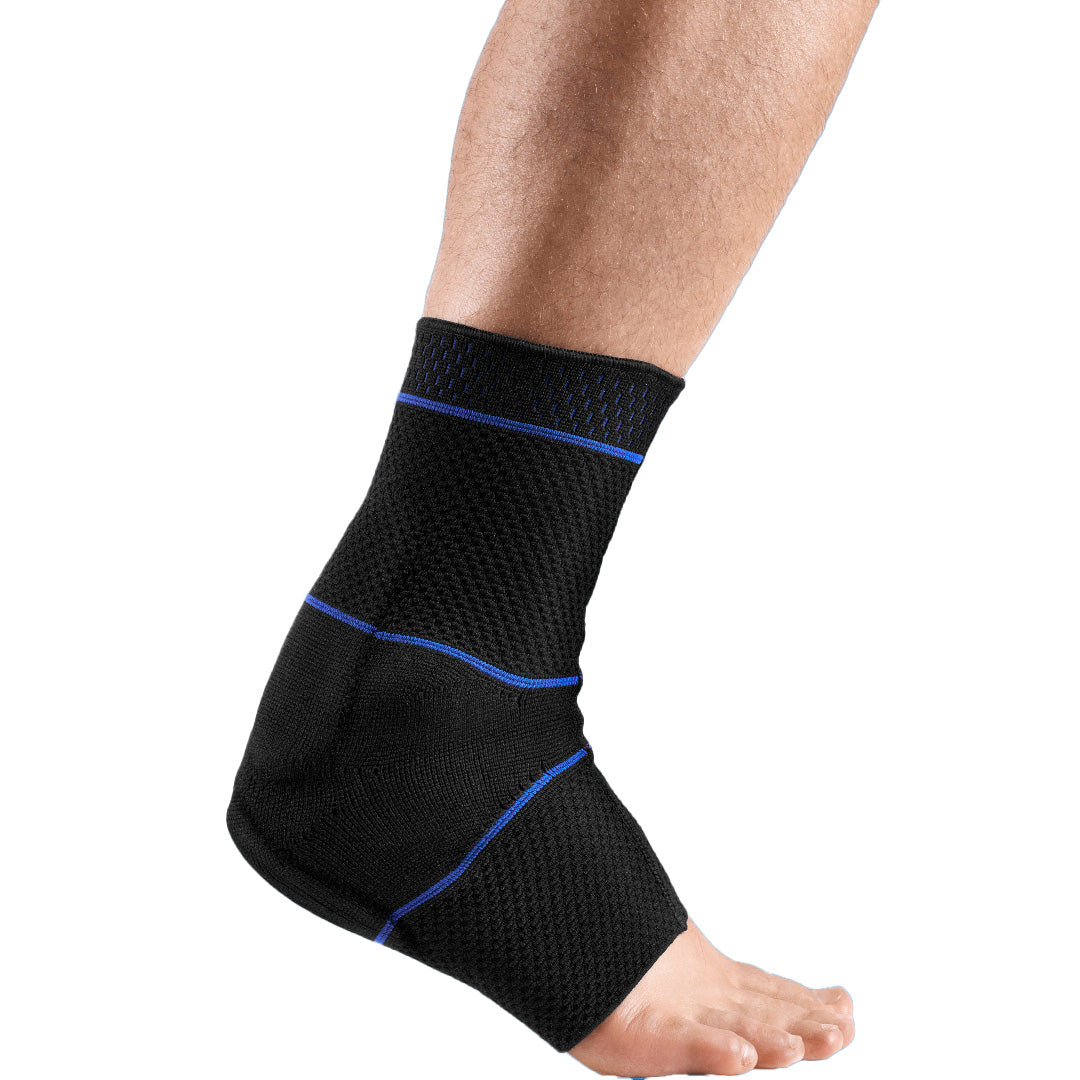
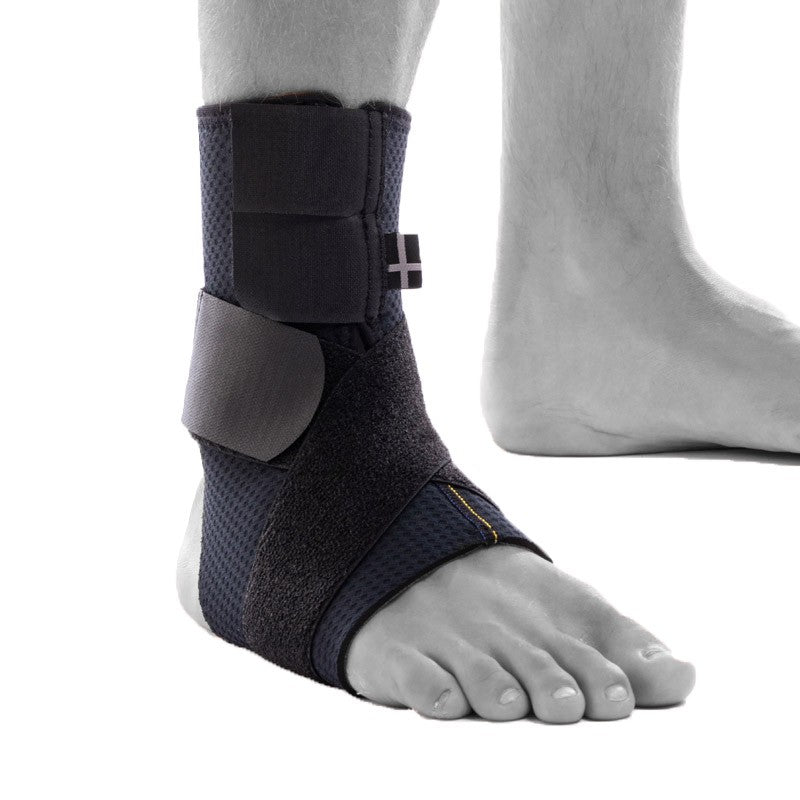
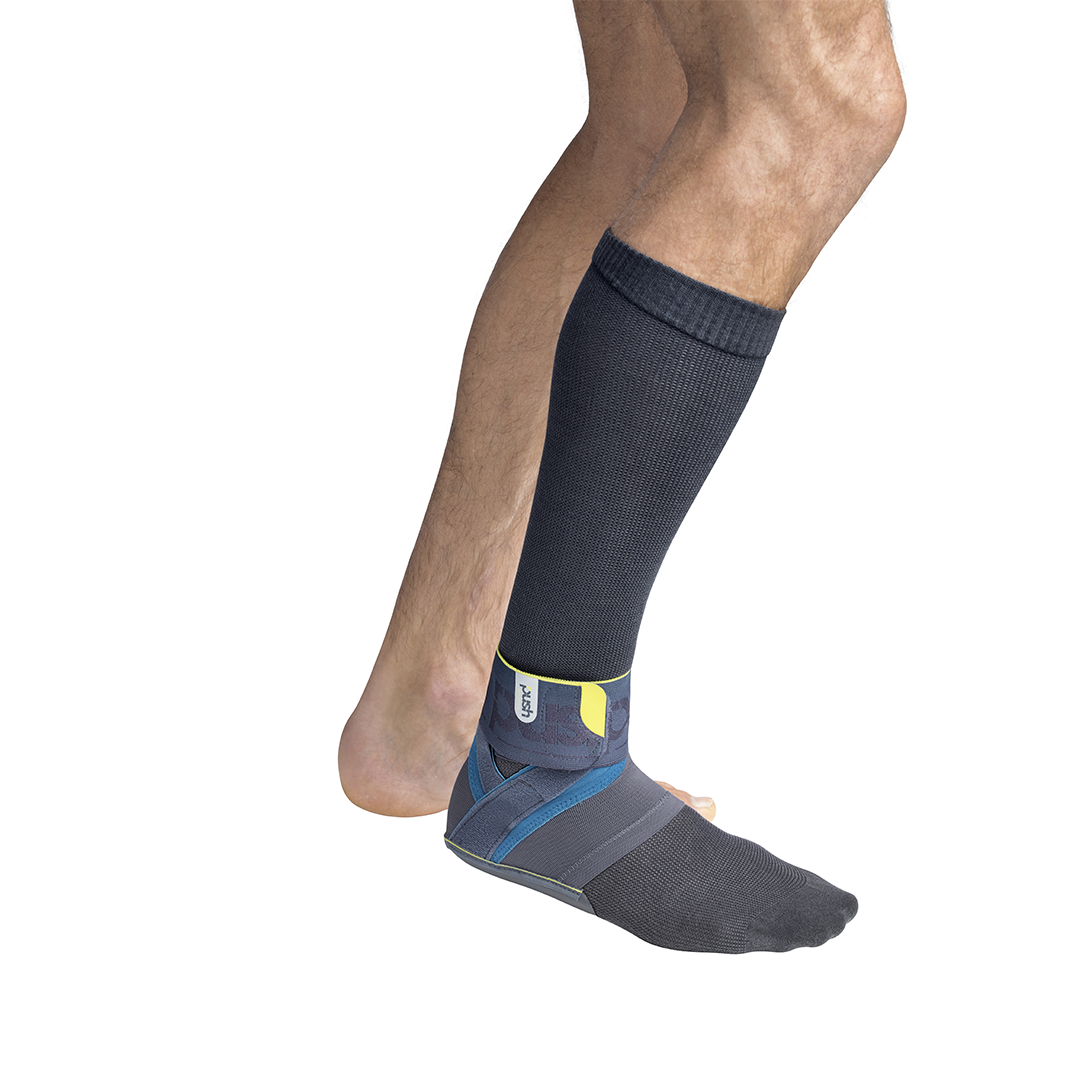
Reduced prices on selected ankle supports. While stocks last, but no later than 3 May.
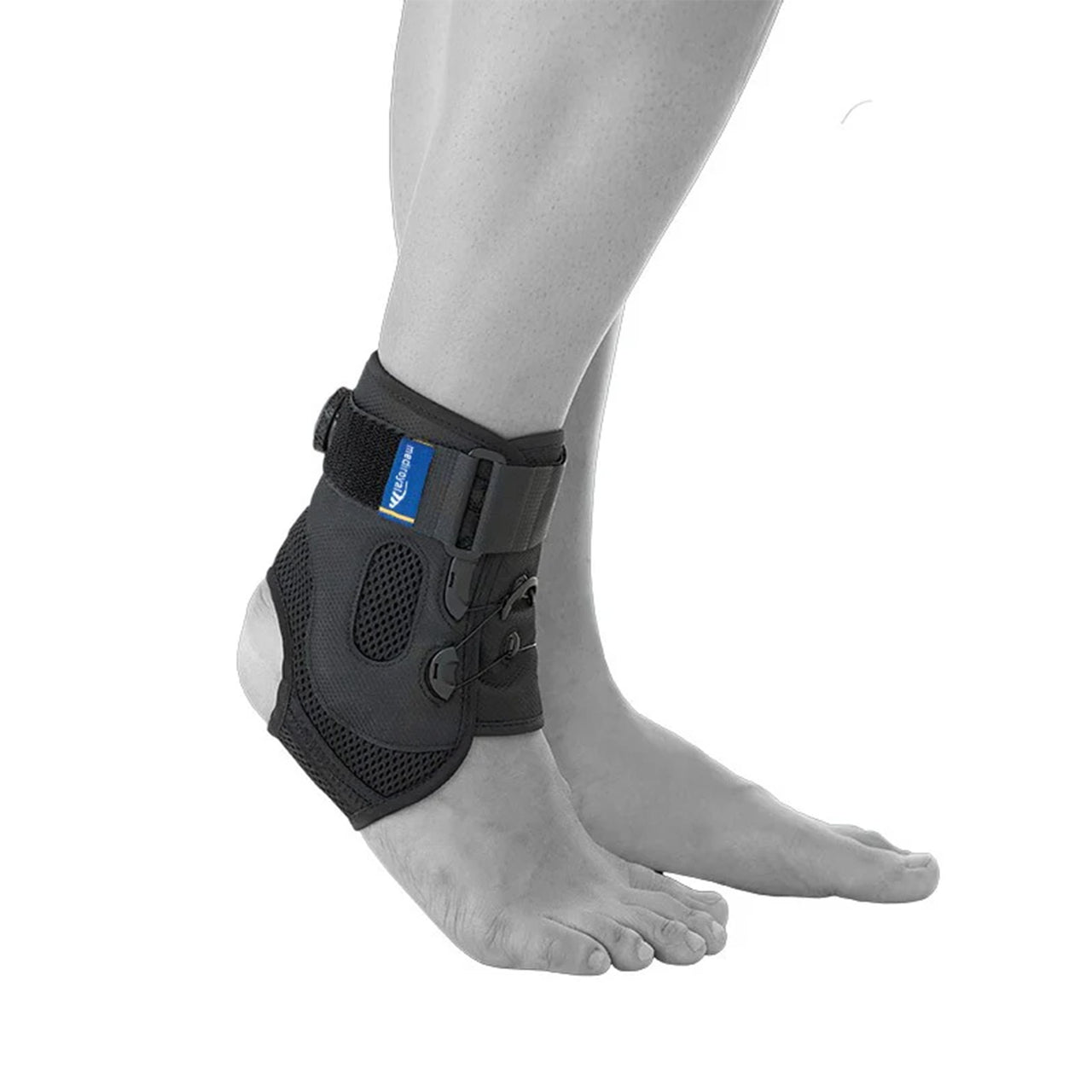
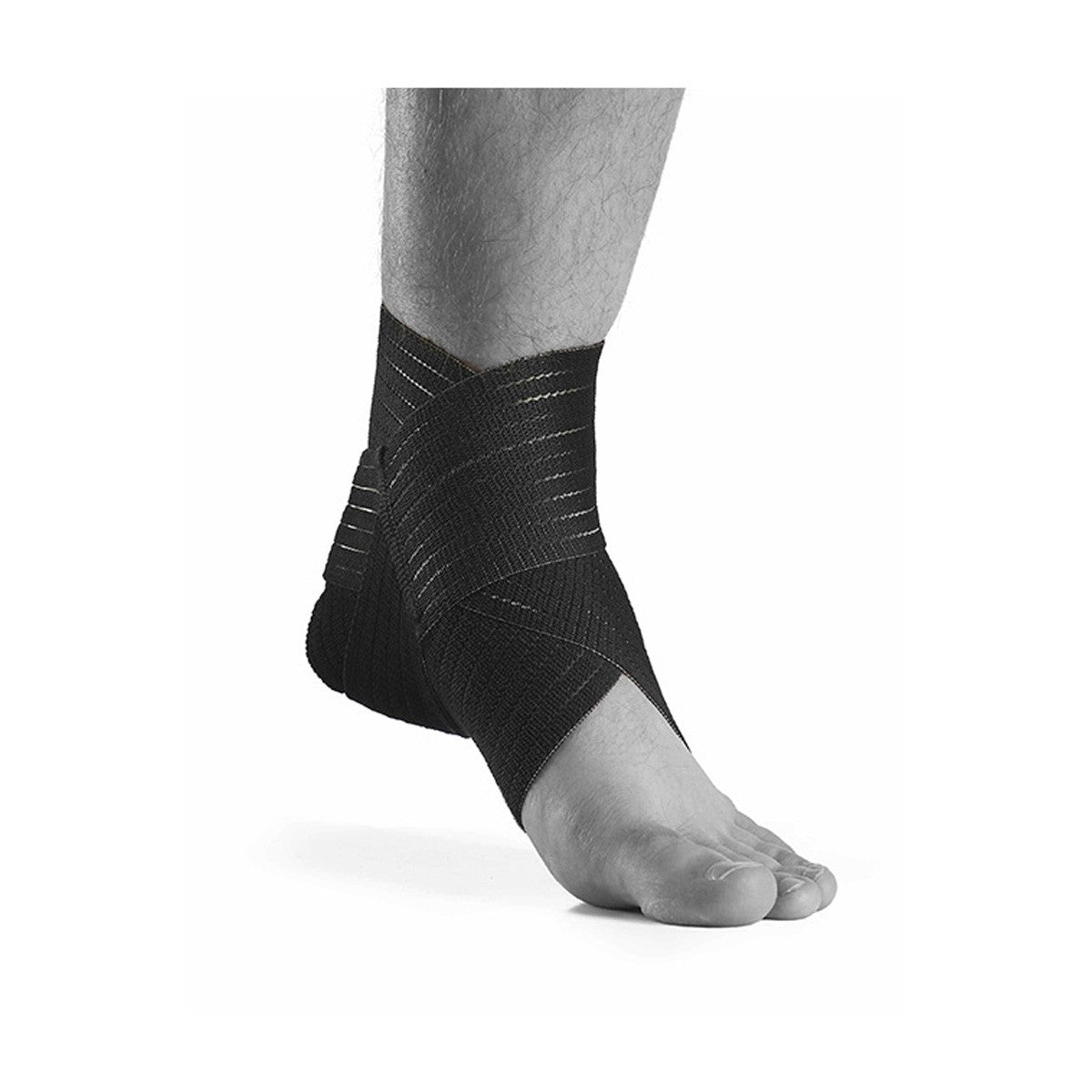
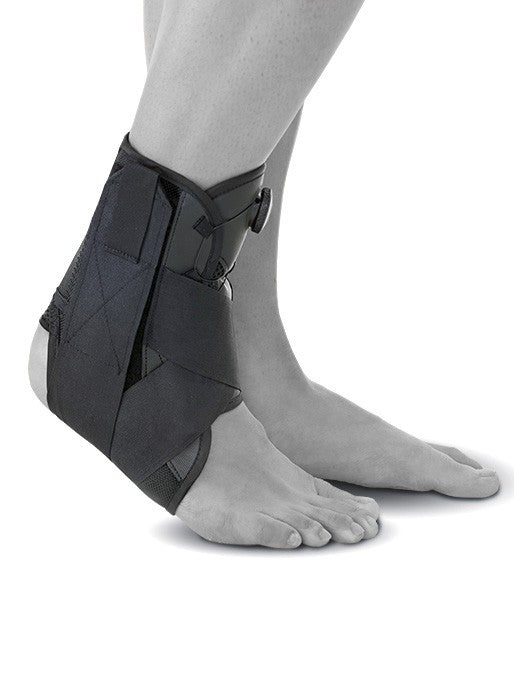
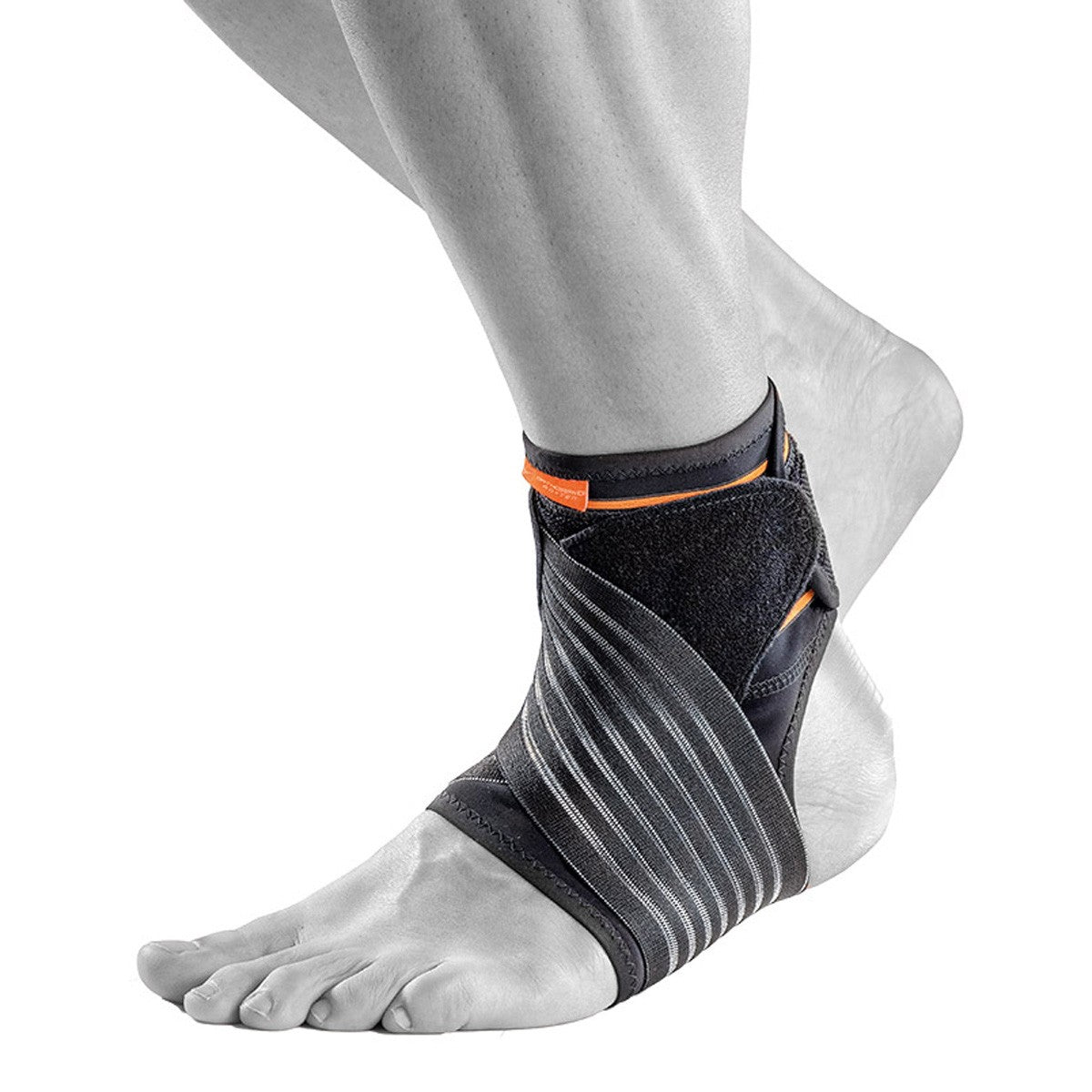
Ankle problems are common and can occur due to sprains, instability, overload, or after previous injuries. The right ankle support can contribute to increased stability, reduced pain, and safer movement in both everyday life, work, and sports. Here you will find a wide, hand-picked range of ankle braces in different designs, selected by our licensed physiotherapist who is responsible for Rehaboteket's advice and recommendations for rehabilitation and injury problems.
Ankle braces are often used for sprains, unstable ankles, and strain-related pain, but do not replace medical assessment for persistent or severe pain.
The choice of ankle support should be based on the degree of instability, whether the symptoms are acute or long-term, and how the support will be used – in everyday life, at work, or during training and sports. The right ankle support provides better stability, comfort, and security during movement.

The best support is the one that matches your injury, activity, and movement needs.
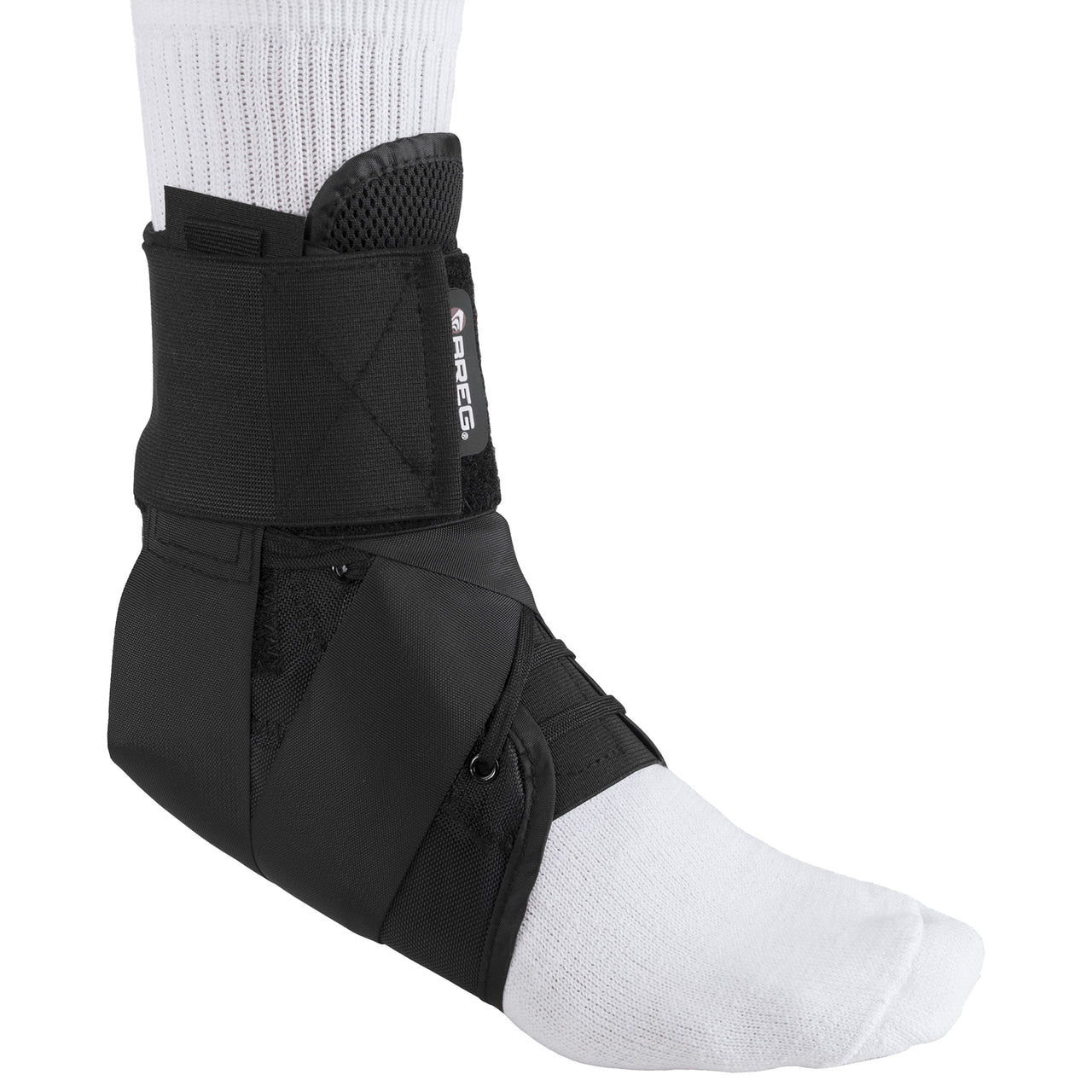
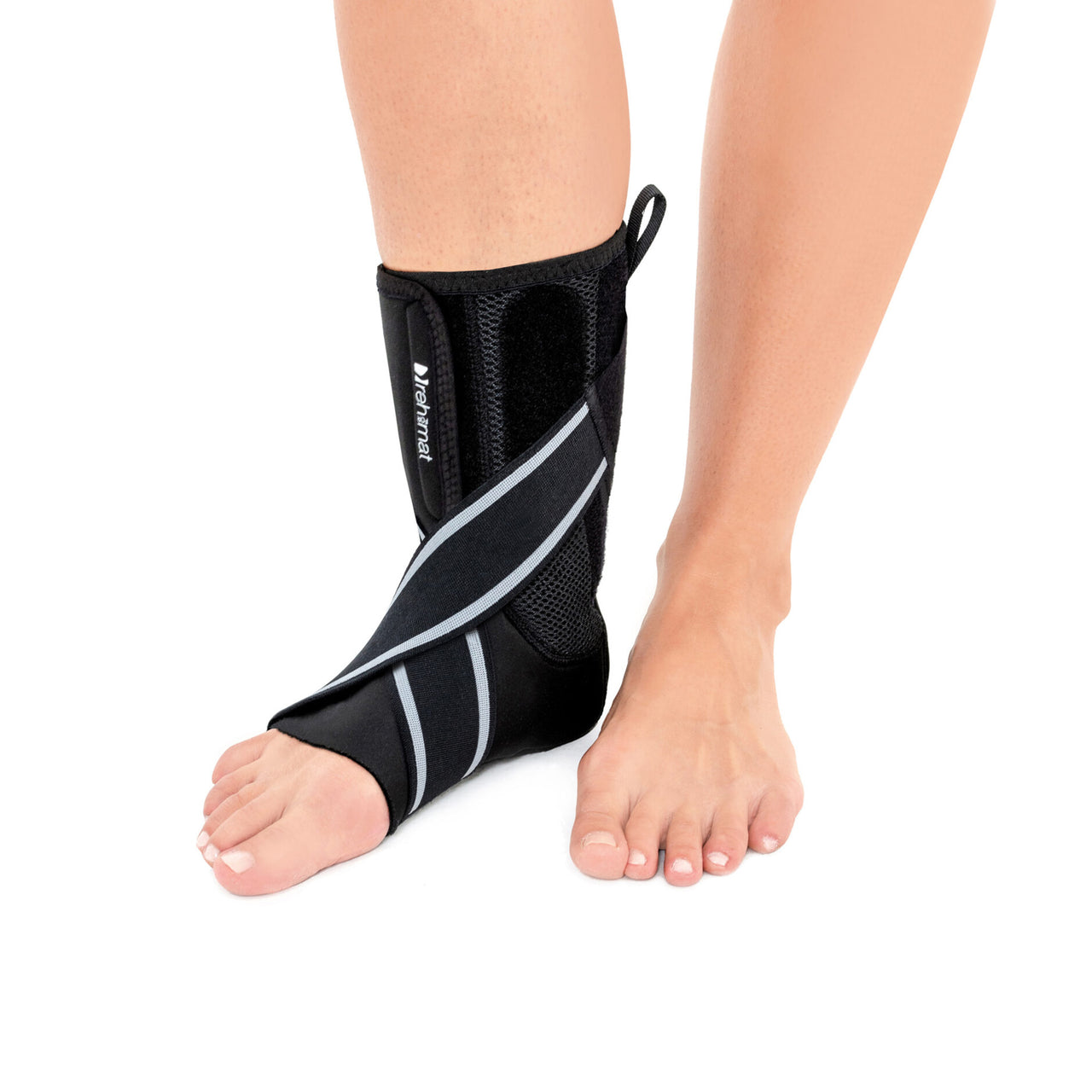
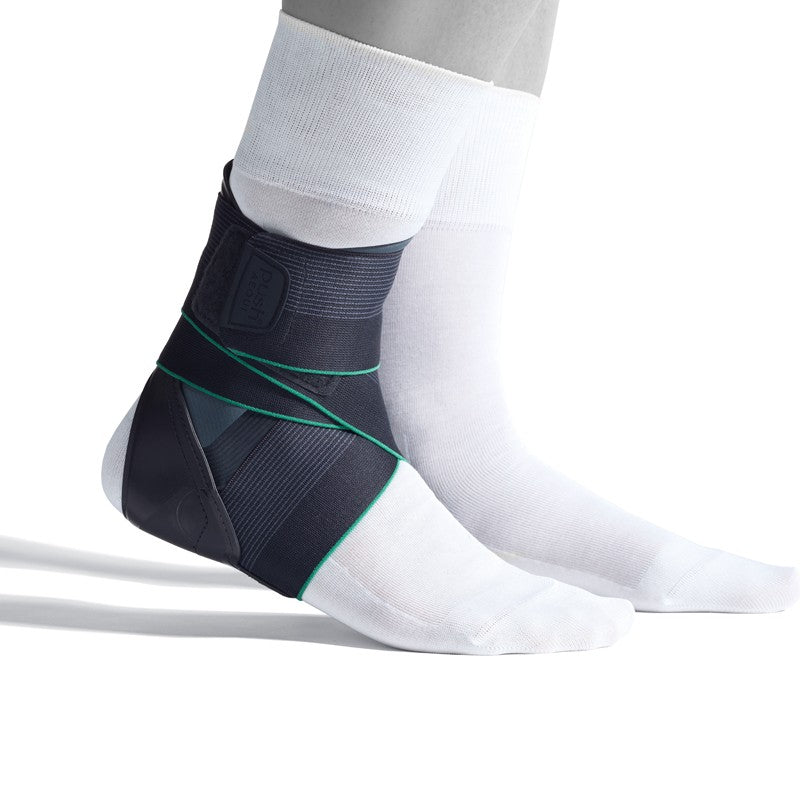
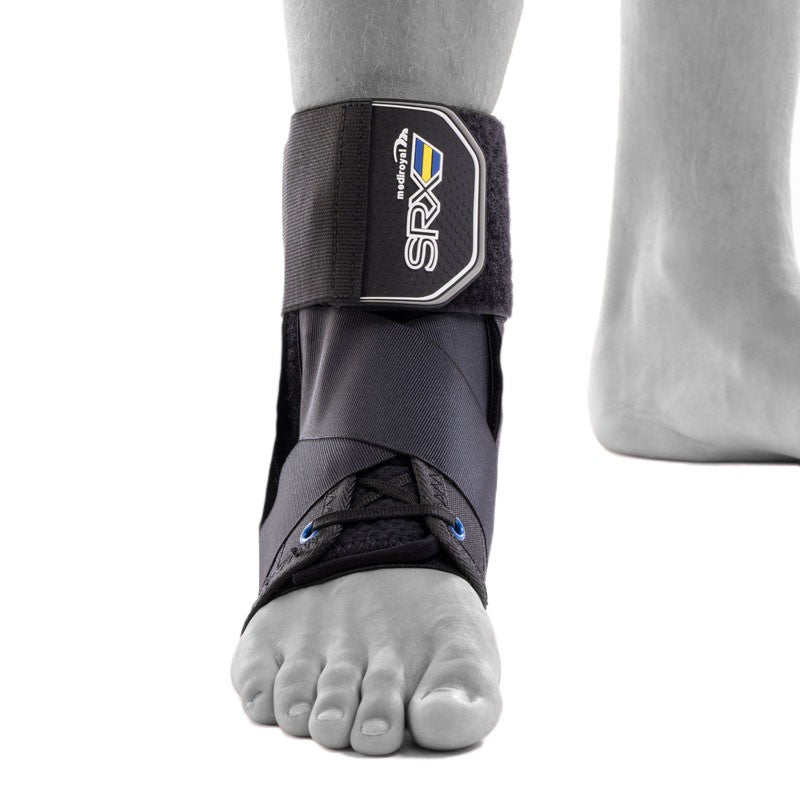
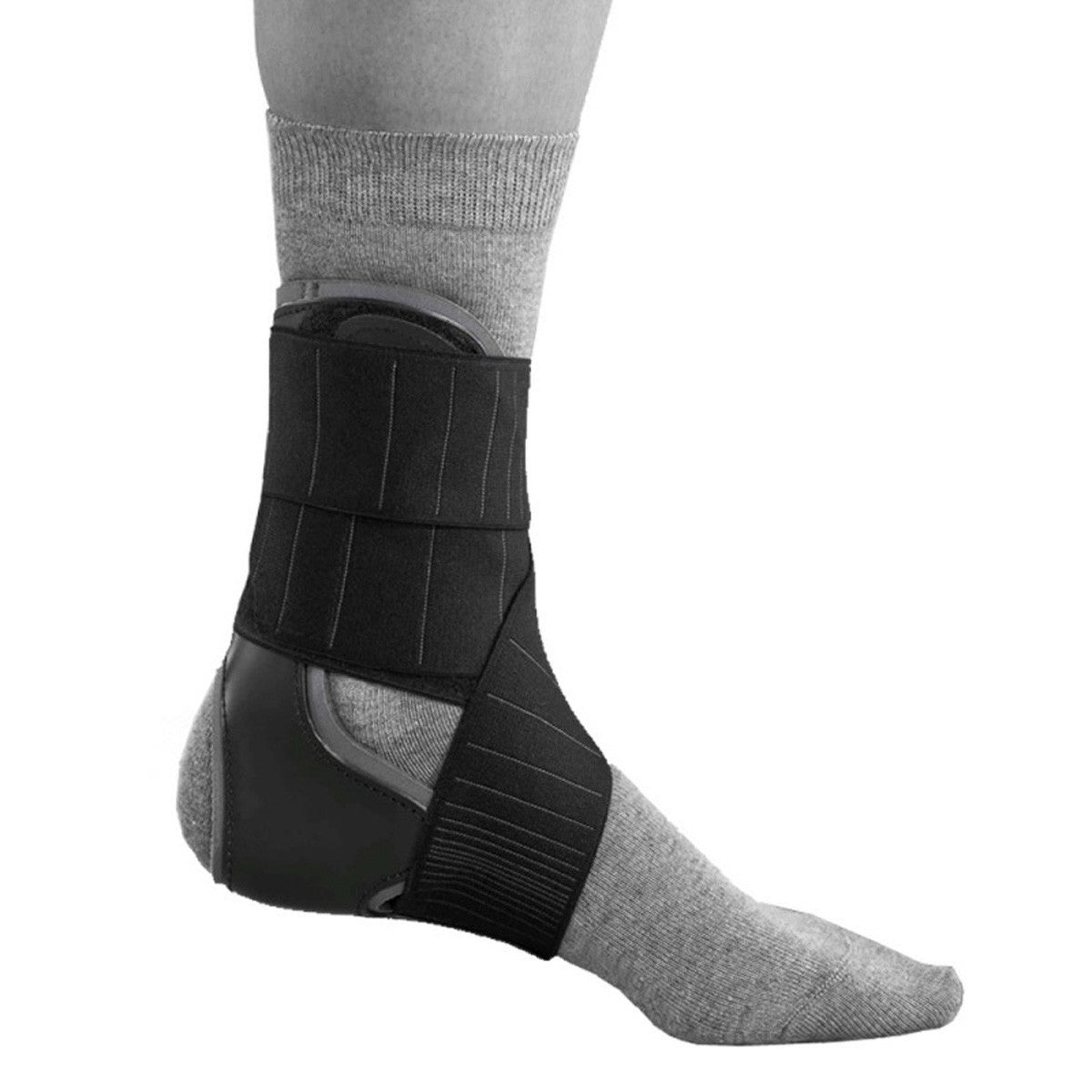
In the case of an acute sprain, a stable orthosis is often needed that limits lateral flexion.
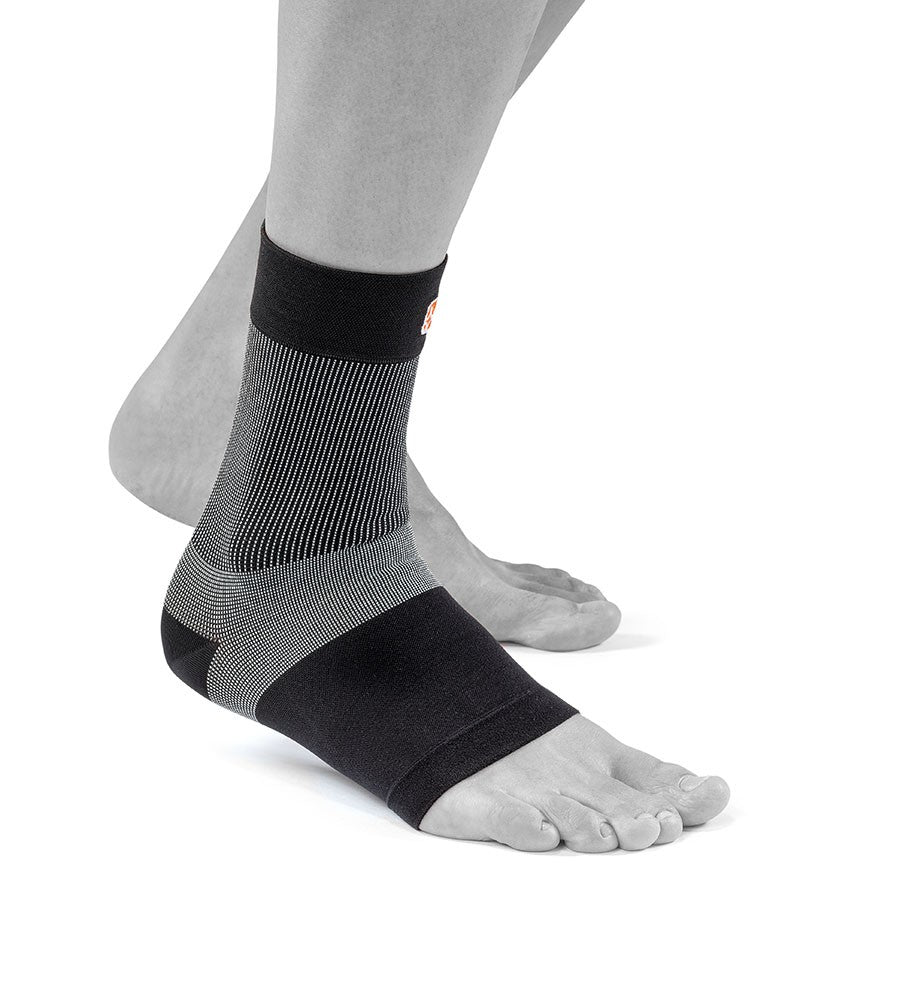
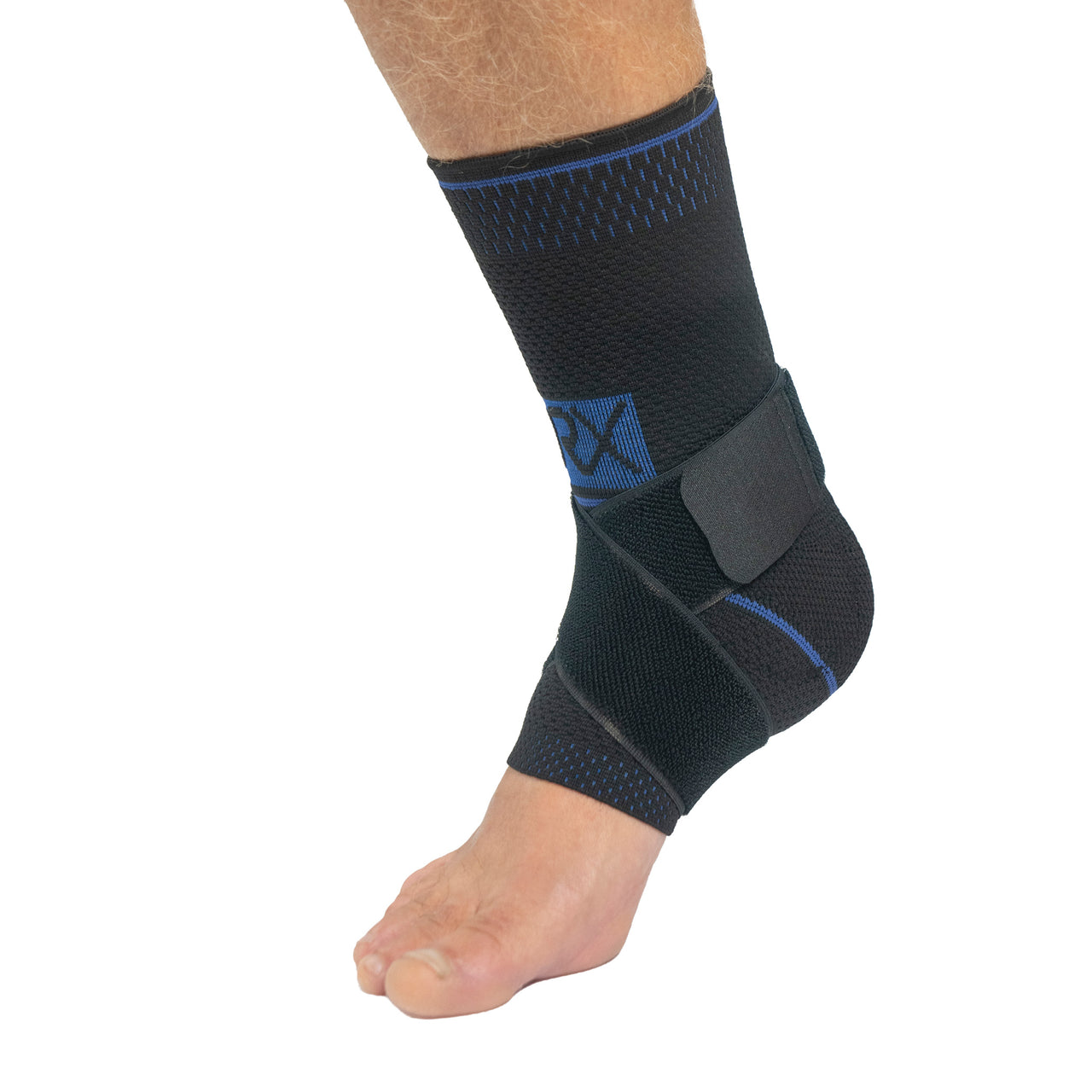
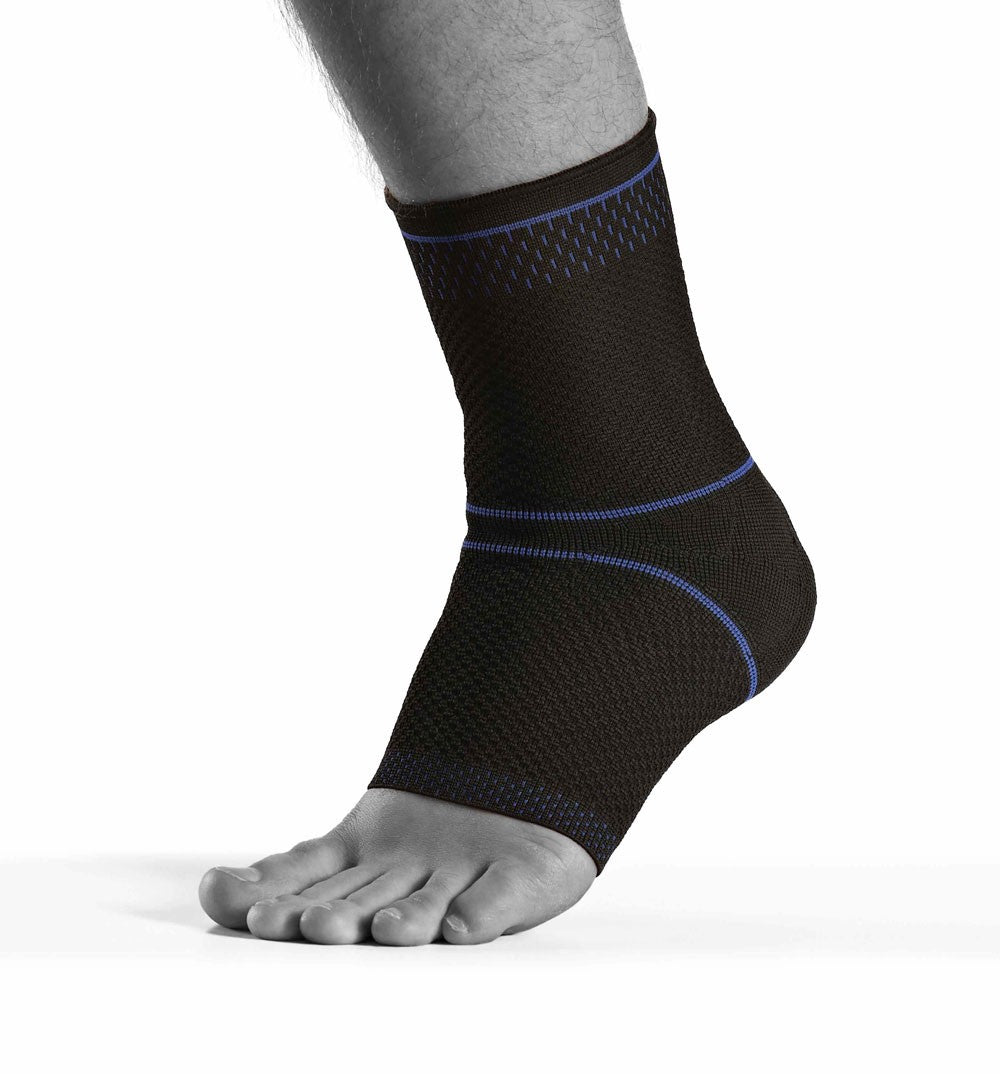
For mild instability or preventive use, a compression support with good contact is usually sufficient.
In the case of osteoarthritis, a warming compression support often provides relief and pain relief.
Try a model that provides the stability you need but still allows for necessary mobility.
Ankle supports provide consistent and adjustable stability over time, while taping often loses its effectiveness during activity. An ankle support can also be adjusted as needed and poses minimal risk of skin irritation compared to tape.
Start with balance exercises and toe raises. Increase gradually without provoking pain.
Balance and strength training and the right shoes reduce the risk. Ankle supports can be used in case of previous injuries.
Avoid ankle support if you have open wounds, skin irritation, severe loss of sensation, or severe circulatory problems unless your healthcare provider recommends otherwise. Do not use the support at night without a prescription. After surgery, always follow medical guidelines. Contact your healthcare provider if the pain persists or increases.
Start using the support during activity or strain, such as walking, working, or exercising. Start with shorter sessions and gradually increase. Let the skin rest between sessions. Many people wear the support for a few hours at a time instead of all day. Nighttime use is only recommended after a prescription.
Yes. Many ankle supports are specifically designed for sports and exercise where the load is high and the movements are fast. They provide extra stability during lateral movements, jumps and landings.
Each product has a unique size guide on the product page that clearly shows how and where to take your measurements for that particular model. As fit and measurement points may differ between different models, it is important to always follow the size guide for the specific product.
Most supports can be hand-washed at 30 degrees and should then be air-dried. It is important to close the Velcro straps before washing to reduce wear. You can always find exact washing instructions on the respective product page and on the information sheet that comes with the packaging.
You can get personal guidance from our licensed physiotherapist, Ida, via customer service at Rehaboteket. Please send an email to info@rehaboteket.fi for advice on model, fit, and use.
Advice at Rehaboteket does not replace medical assessment. In case of acute, increasing or prolonged pain, contact healthcare.