
The shoulder joint is the most mobile joint in the body and therefore also one of the most vulnerable to pain and injury. The problems are often caused by inflammation, overload or ruptures in the muscles, tendons and ligaments that stabilize the shoulder.
What is shoulder pain?
Shoulder pain can have many different causes, but one thing in common is that it often affects everyday movements such as lifting, carrying or working with the arms above the head. The shoulder joint has a flat glenohumeral joint and a relatively loose joint capsule, which means that stability is largely based on muscles and tendons. This makes the shoulder extra sensitive to injuries, overload and inflammation.
Common causes & risk factors
Shoulder pain often occurs when working with the arms in awkward positions for long periods of time, such as above the head. Occupations and activities such as painting, construction work or working above shoulder height pose an increased risk. Sports such as racket sports, volleyball, throwing sports and weightlifting also put a lot of strain on the shoulder. Local inflammation of the bursa or tendon attachments are common causes of shoulder pain.
Symptoms
- Pain when moving or putting pressure on the shoulder
- Stiffness and limited range of motion
- Difficulty working with arms above head
- Shoulder weakness
- In some cases, local swelling or heat increase
When should you seek medical attention?
Seek medical attention if the pain does not improve with relief and self-care, if you experience severe restriction of movement, nocturnal pain that disrupts sleep, or if you suspect a major injury, for example after a fall.
Recommended protection & support
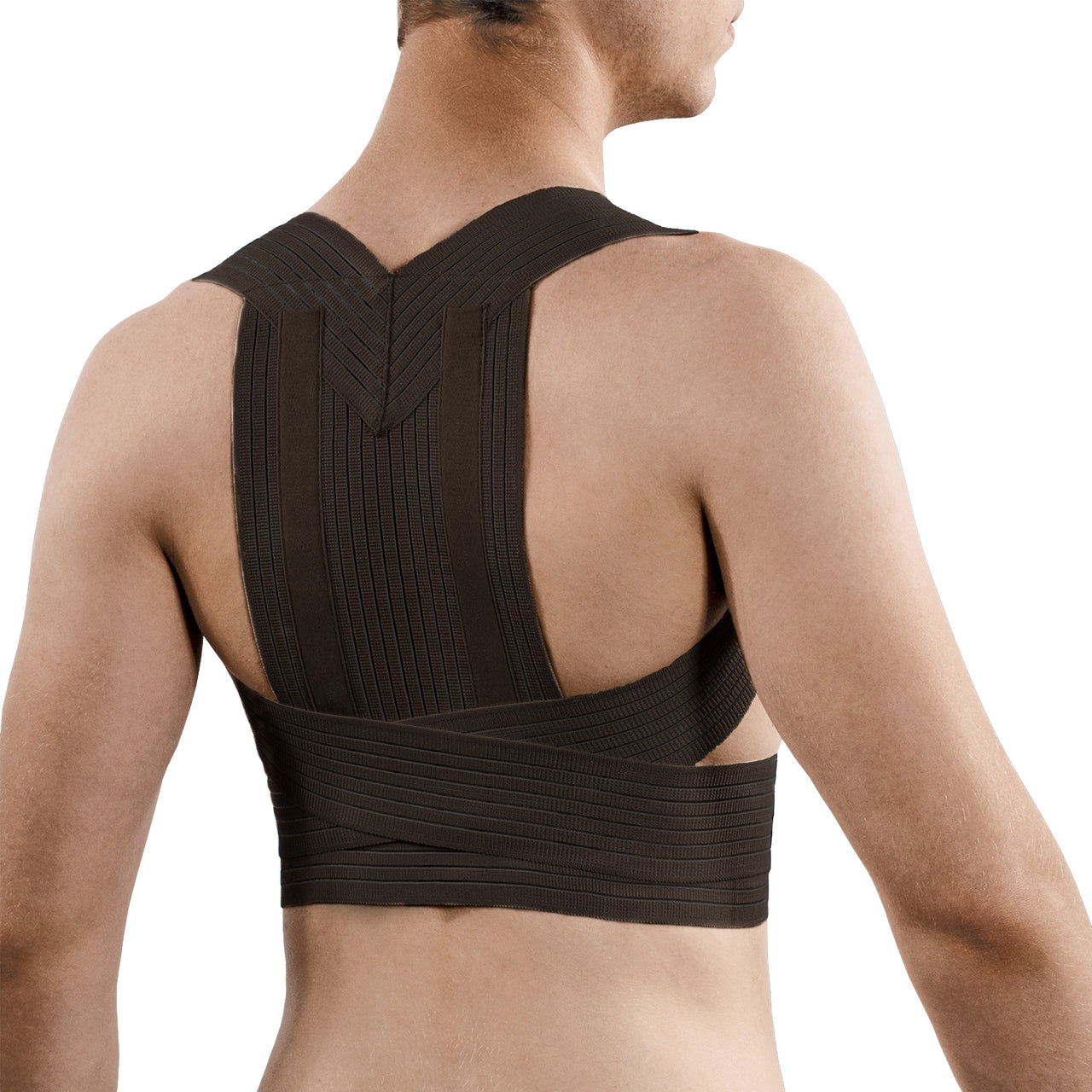
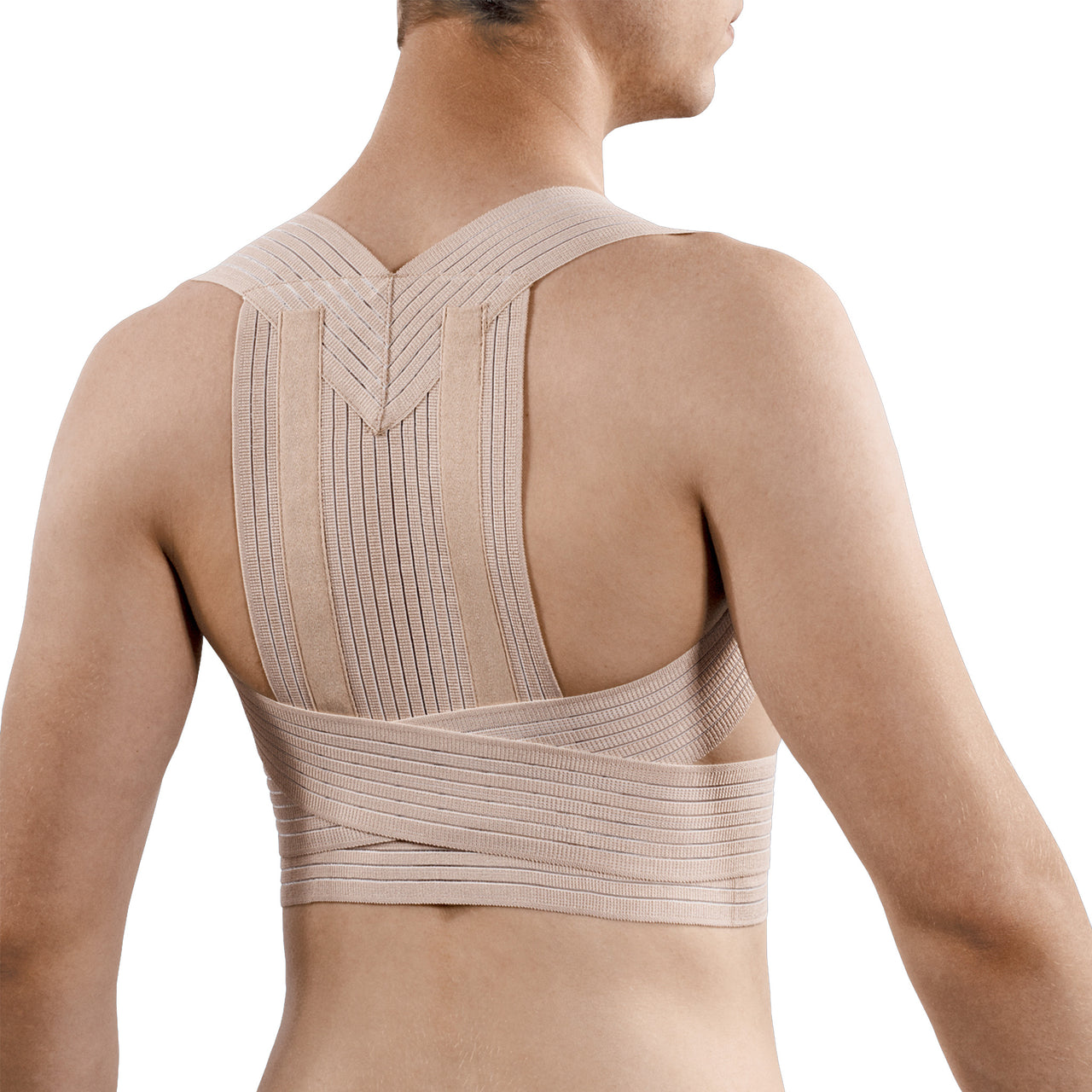
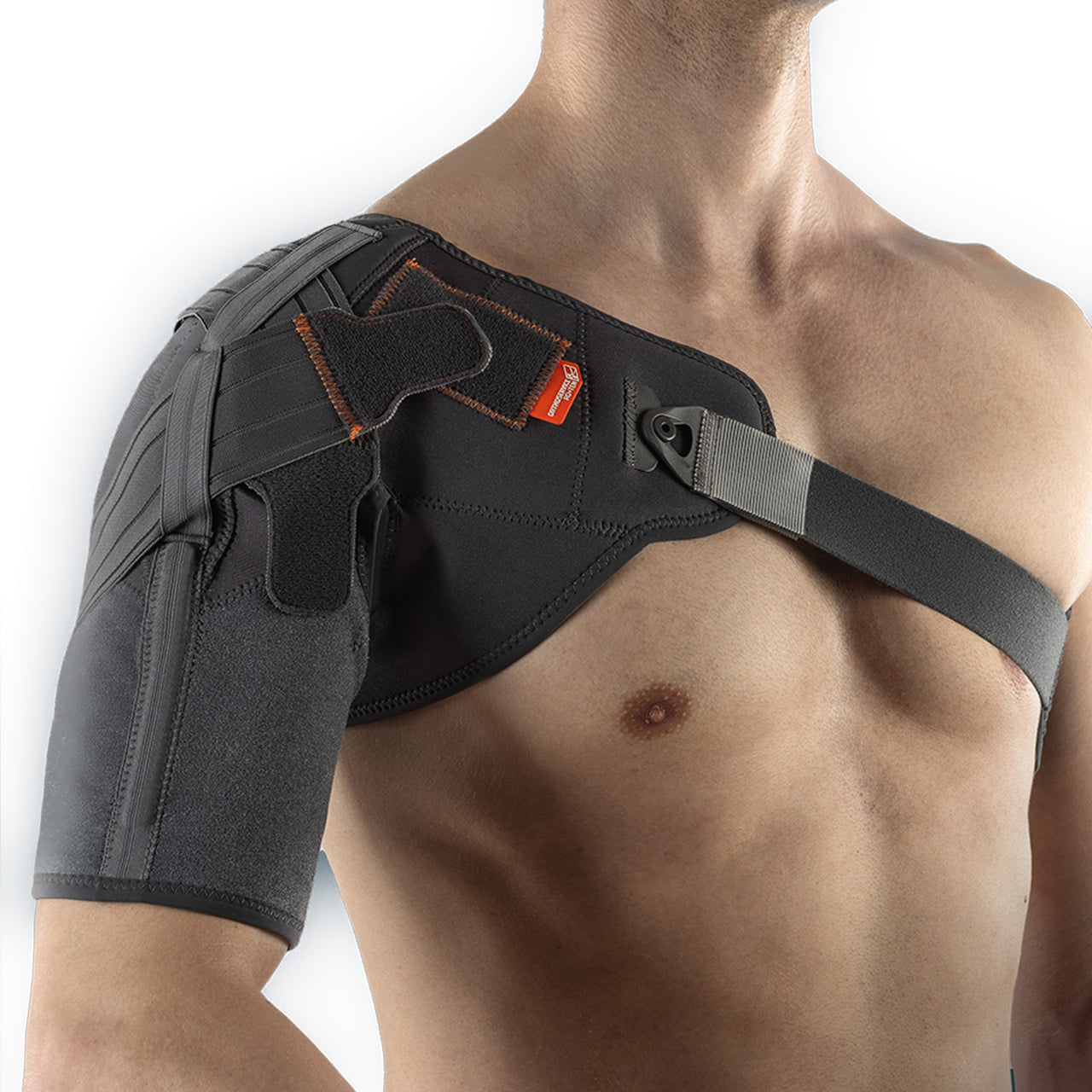
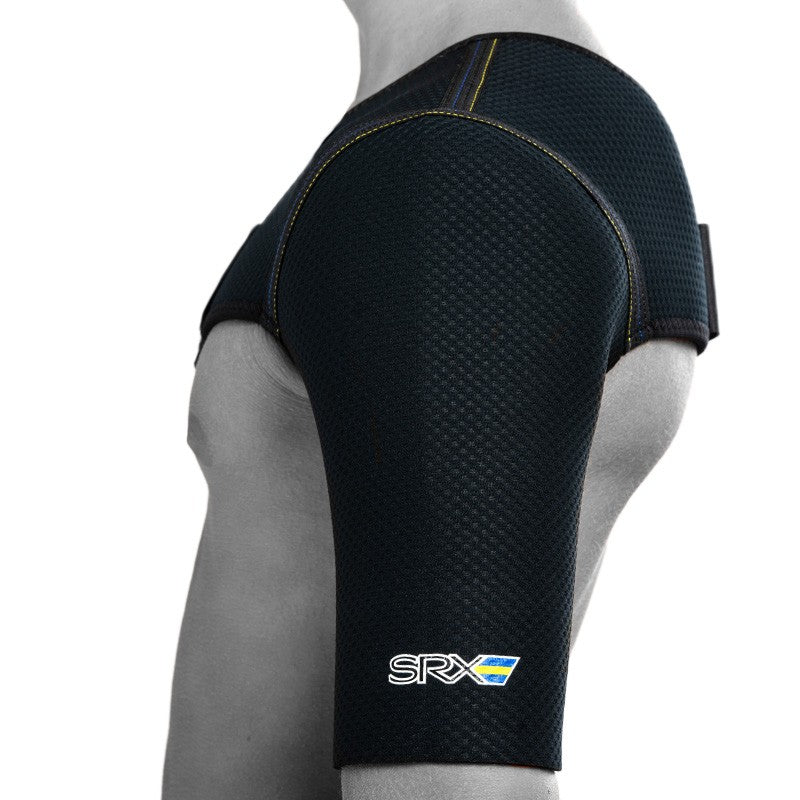
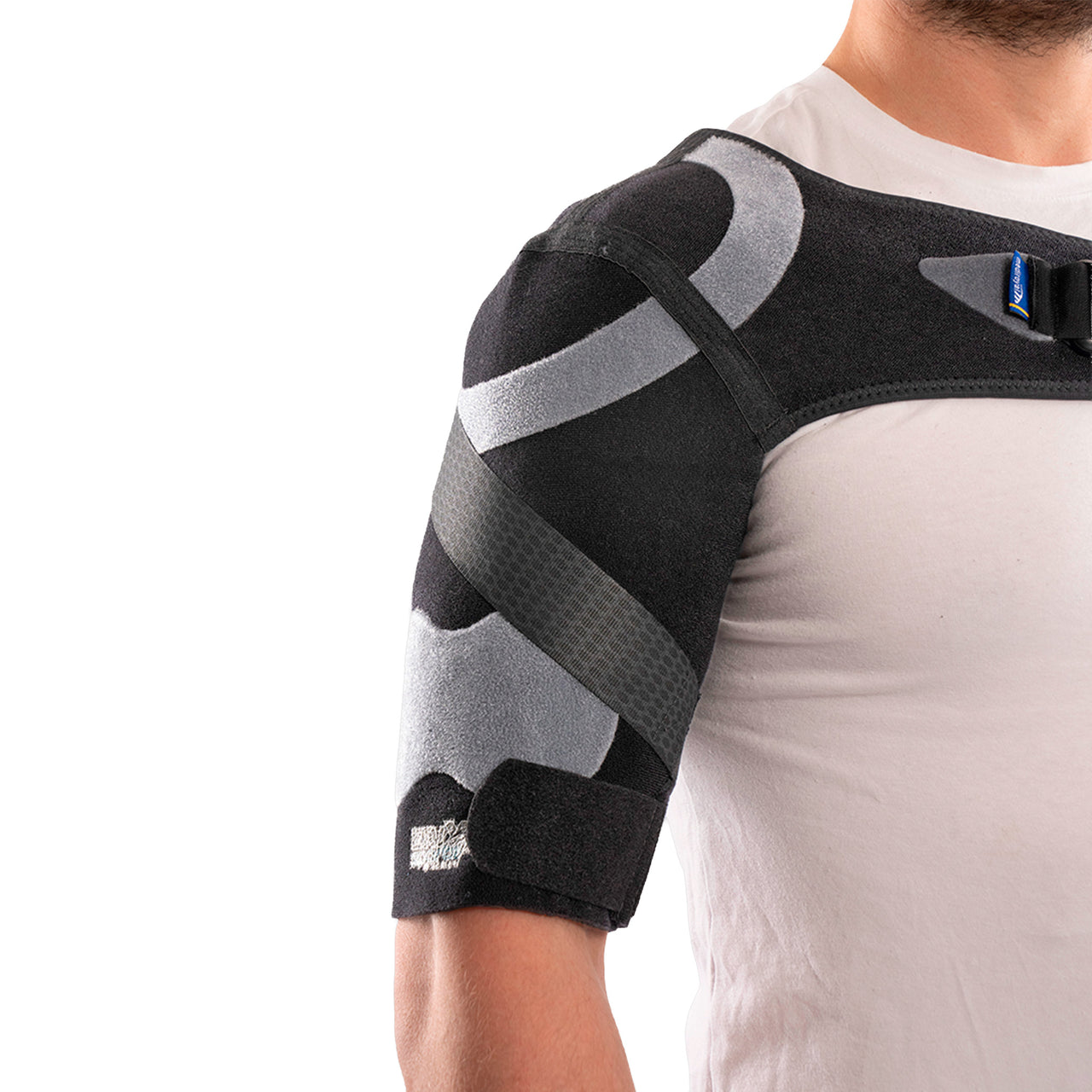
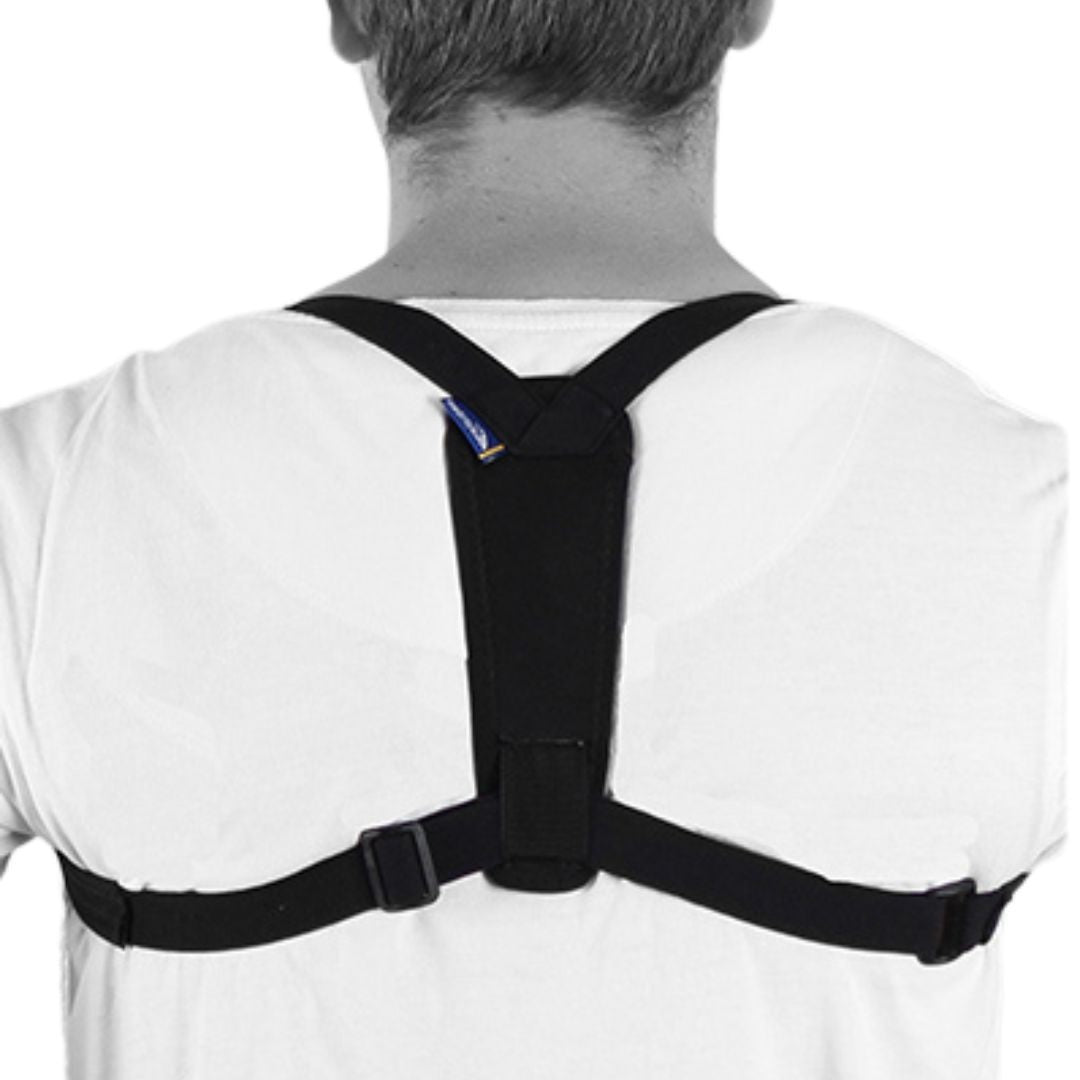
If you have shoulder pain, the right support and offloading can help reduce pain and provide greater confidence in everyday life and during activity. A warming compression shoulder brace can help relieve strain on the muscles and tendon attachments while reducing pain. Ergonomic aids, an adapted working position, and regular training of the thoracic spine and the small stabilising muscles around the shoulder can also help prevent and relieve shoulder pain.
See our products that can help relieve shoulder pain
Related injuries
For more information about shoulder and neck problems, you can read more in the Shoulder & Neck Injury Guide, and you can also go to the Injury Guide's main page to read about other injuries and symptoms.