 Ankle sprains are one of the most common injuries in both sports and everyday activities. The injury affects the ligaments in the ankle and can cause anything from mild soreness to a complete rupture, resulting in long-term instability.
What is a sprained foot?
A sprain occurs when the ankle is twisted beyond its normal range of motion. This puts strain on the ankle ligaments, which can be stretched or completely torn. The injury is most common on the outside of the foot, but the inside can also be affected. The injury is graded into three levels: grade 1 (mild sprain), grade 2 (partial tear of the ligament), and grade 3 (total rupture).
Symptoms
- Pain with load or movement in the ankle joint
- Swelling and discoloration around the ankle
- Tenderness over damaged ligaments
- Feeling of instability in the ankle
- Reduced mobility, especially in the acute phase
Symptoms usually develop quickly after the injury, and swelling may increase during the first few hours. In our blog post about sprained ankles, you can learn more about what to do during the acute phase and later in your recovery to help you heal faster.
Common causes & risk factors
A sprained ankle most commonly occurs during rapid changes of direction, landing after a jump, or stepping awkwardly on uneven ground.
Common situations in which the injury occurs include:
- sports such as football, handball, or floorball
- trail running or running on uneven terrain
- falls or missteps in everyday life
Factors that may increase the risk of an ankle sprain include:
- previous ankle injuries
- weak muscles or reduced ankle stability
- improper or unstable footwear
- uneven ground
- foot alignment, such as pronation or supination
When should you seek medical attention?
If you experience severe pain, are unable to bear weight on your foot, or suspect a major ligament injury, you should contact your healthcare provider. It is also wise to seek help for further assessment if you experience recurring sprains or persistent instability.
Recommended protection & support
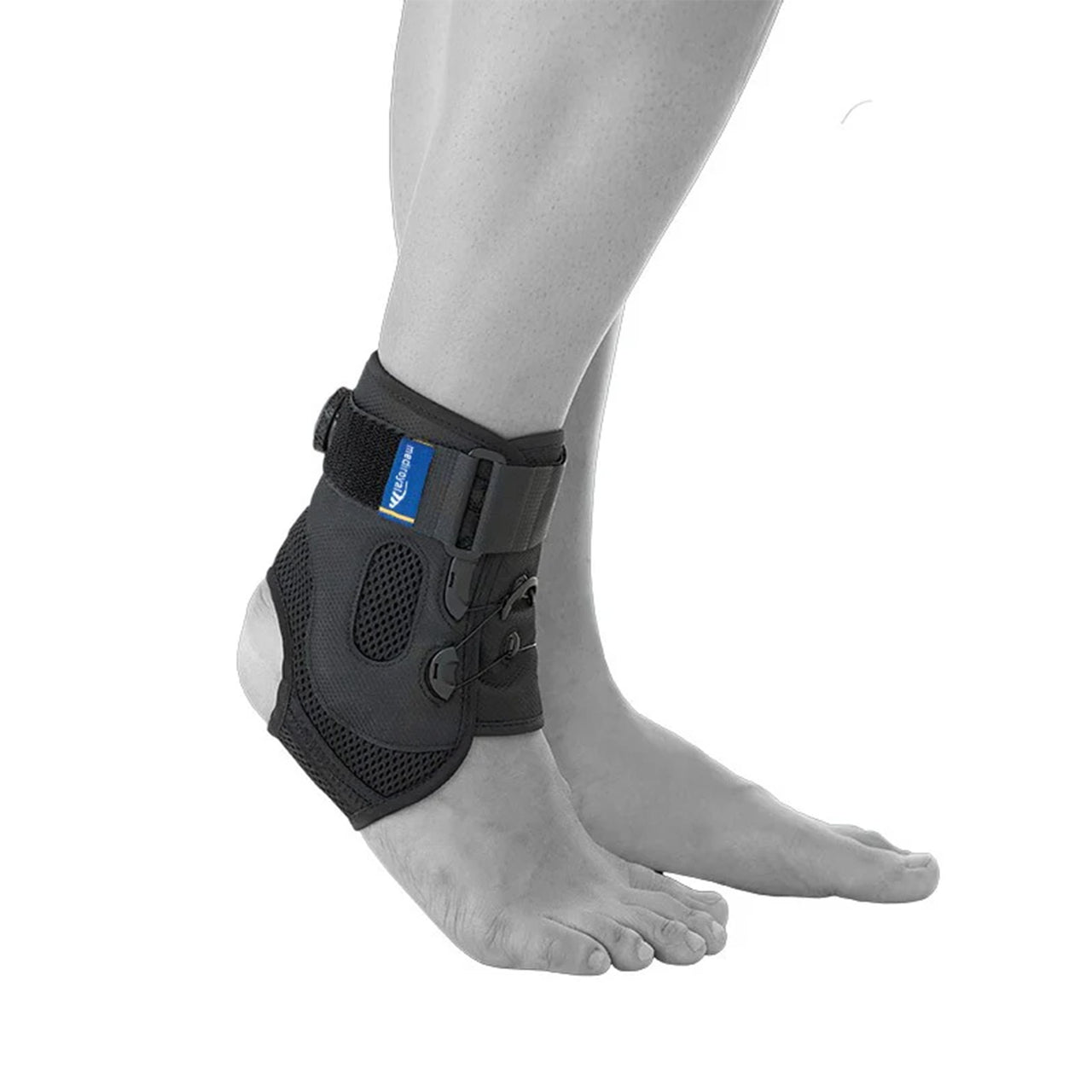
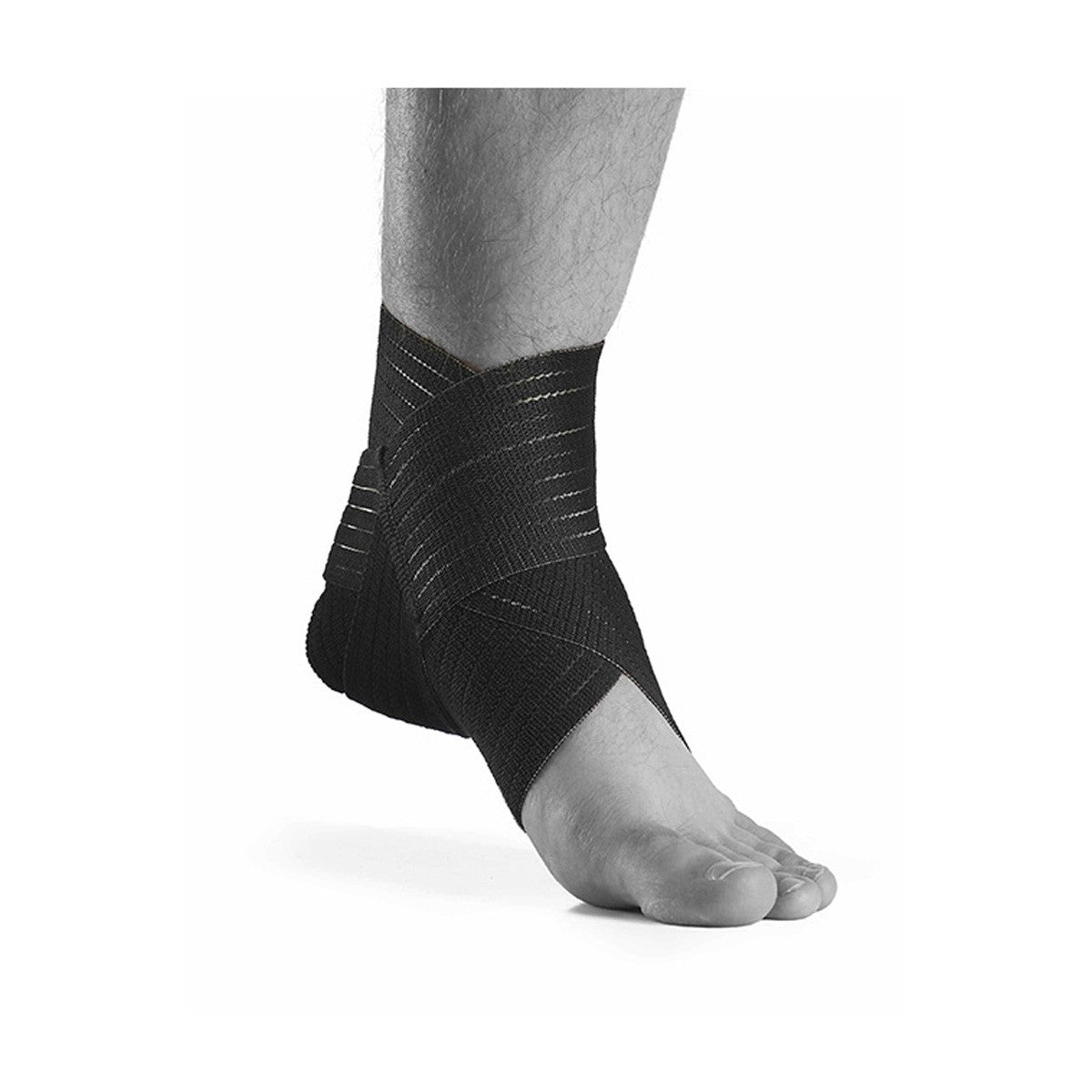
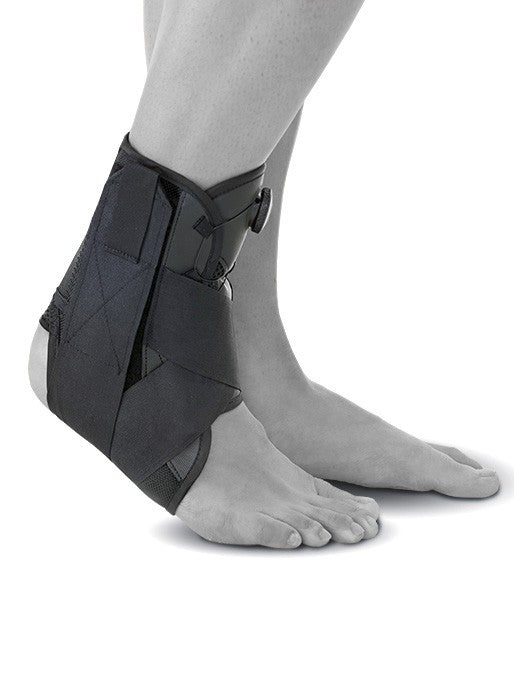
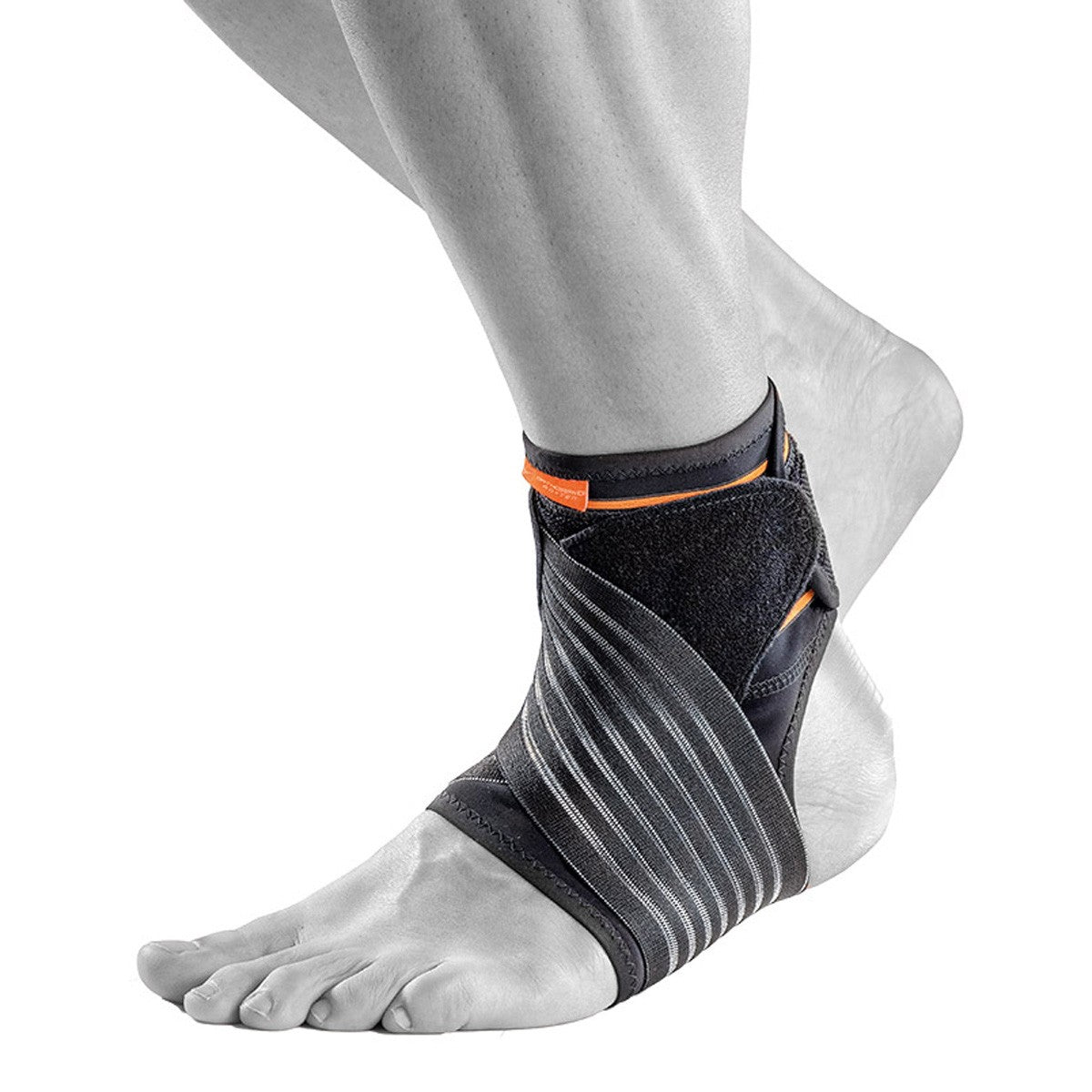
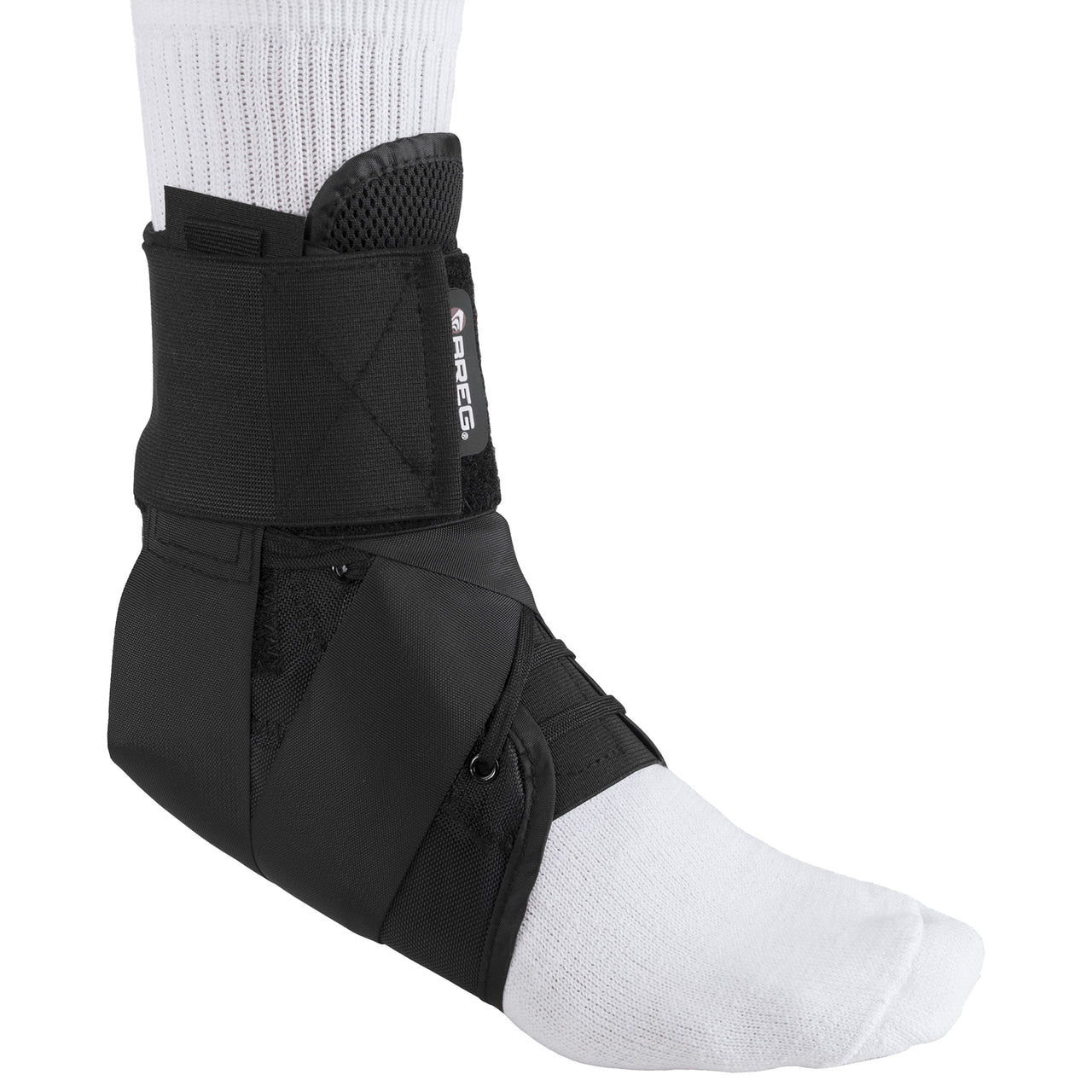
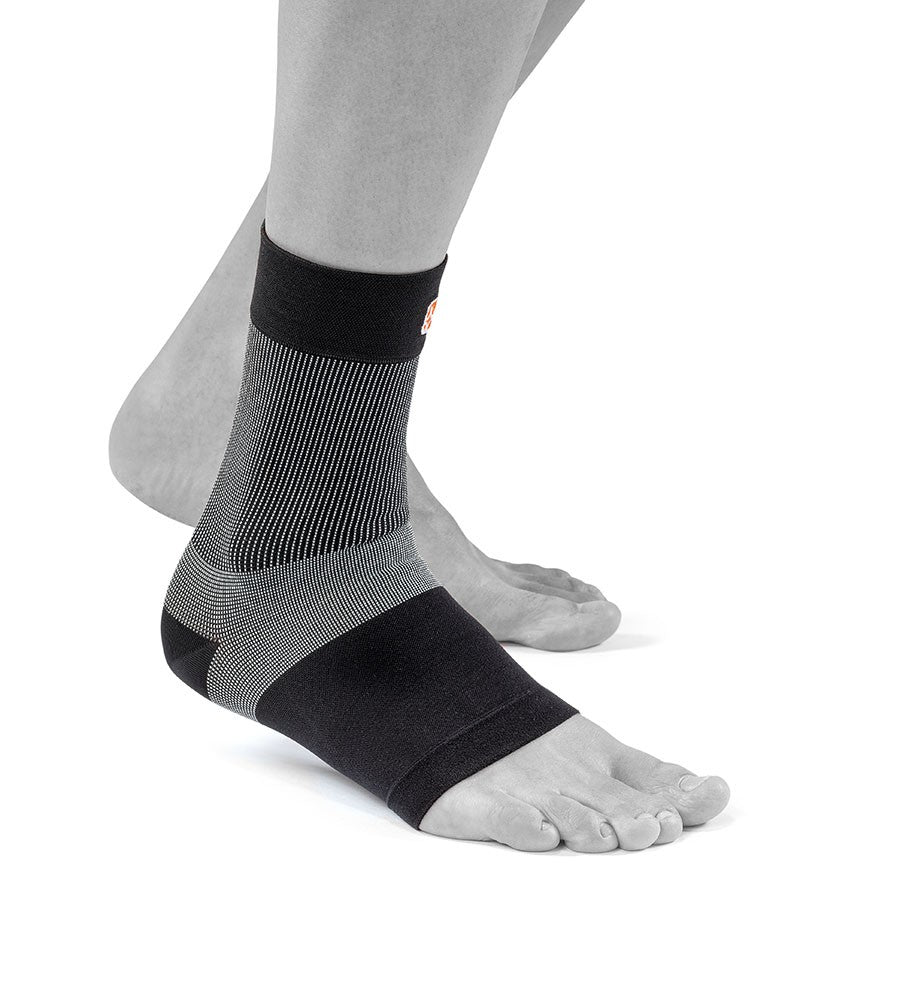
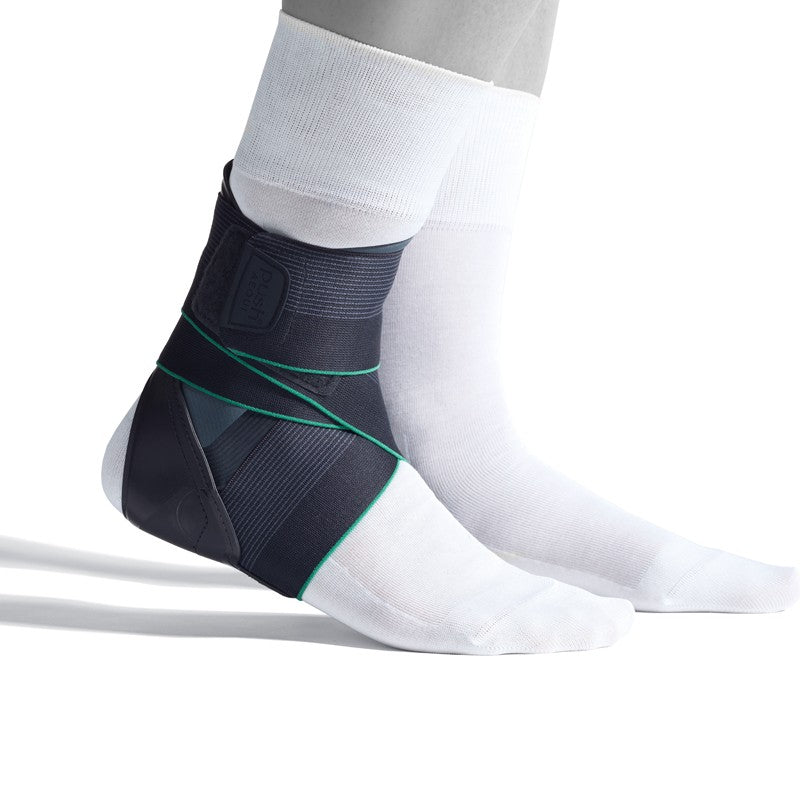
For a sprained ankle, the right support or brace can improve stability and provide confidence during recovery and physical activity. Ankle braces are often used to relieve stress on the ligaments, provide additional stability, and reduce the risk of recurrent ankle sprains.
See all supports and braces that can help relieve a sprained ankle
Related injuries
In our Injury Guide Foot & Heel, you can read more about common foot injuries and conditions. You can also go to the Injury Guide's main page to read about other injuries and symptoms.