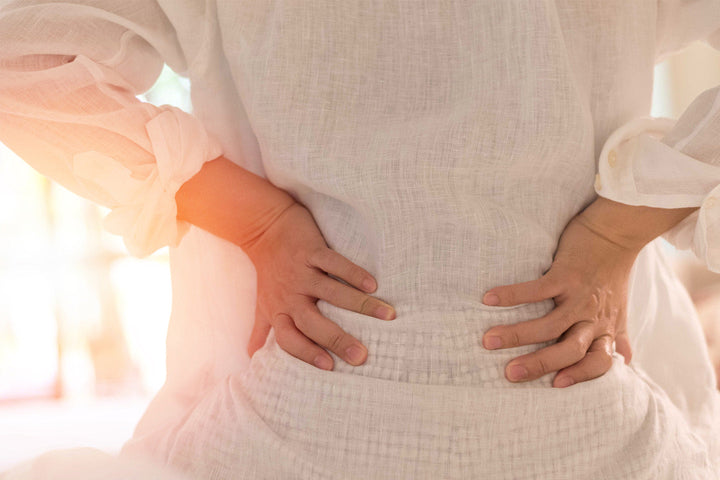

Low back pain (lumbago) is a very common problem – up to 80% of all people suffer from it at some point in their lives. The cause can be anything from overuse and muscle strains to disc damage or wear and tear. The problems are often temporary, but the right measures can relieve the discomfort more quickly and reduce the risk of recurring back pain.
What is low back pain?
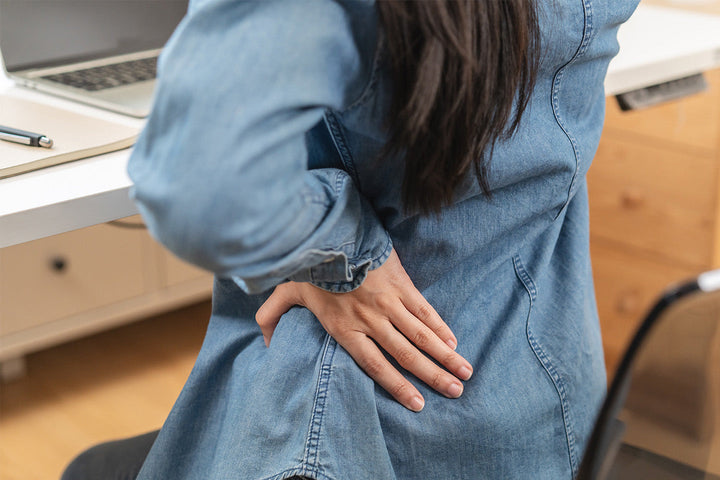
Low back pain often occurs as a result of overload, muscle inflammation, ligament damage or impact on the stabilizing structures of the back. The pain is felt locally in the lower back and is often combined with stiffness. The stiffness causes the body to instinctively seek alternative movement patterns, which can lead to incorrect loading and further discomfort. Back pain affects office workers as often as construction workers – static sitting can be just as stressful as heavy physical work.
Common causes & risk factors
Lower back pain can be caused by back injuries, inflammation of muscles and tendon attachments, overuse or wear and tear. Risk factors include heavy lifting, working in awkward positions, being overweight, a sedentary lifestyle and poor posture. Prolonged computer work in incorrect work environments is another common cause.
Symptoms
- Local pain in the lower back
- Stiffness in the back muscles
- Worsened pain with strain or static work
- In some cases, pain radiates to the buttocks or legs
- Impaired mobility and perceived instability
When should you seek medical attention?
Seek medical attention if the pain does not improve within a few weeks, if it worsens despite self-care, or if you experience radiating pain, numbness, or difficulty controlling your legs or bladder.
Recommended protection & support
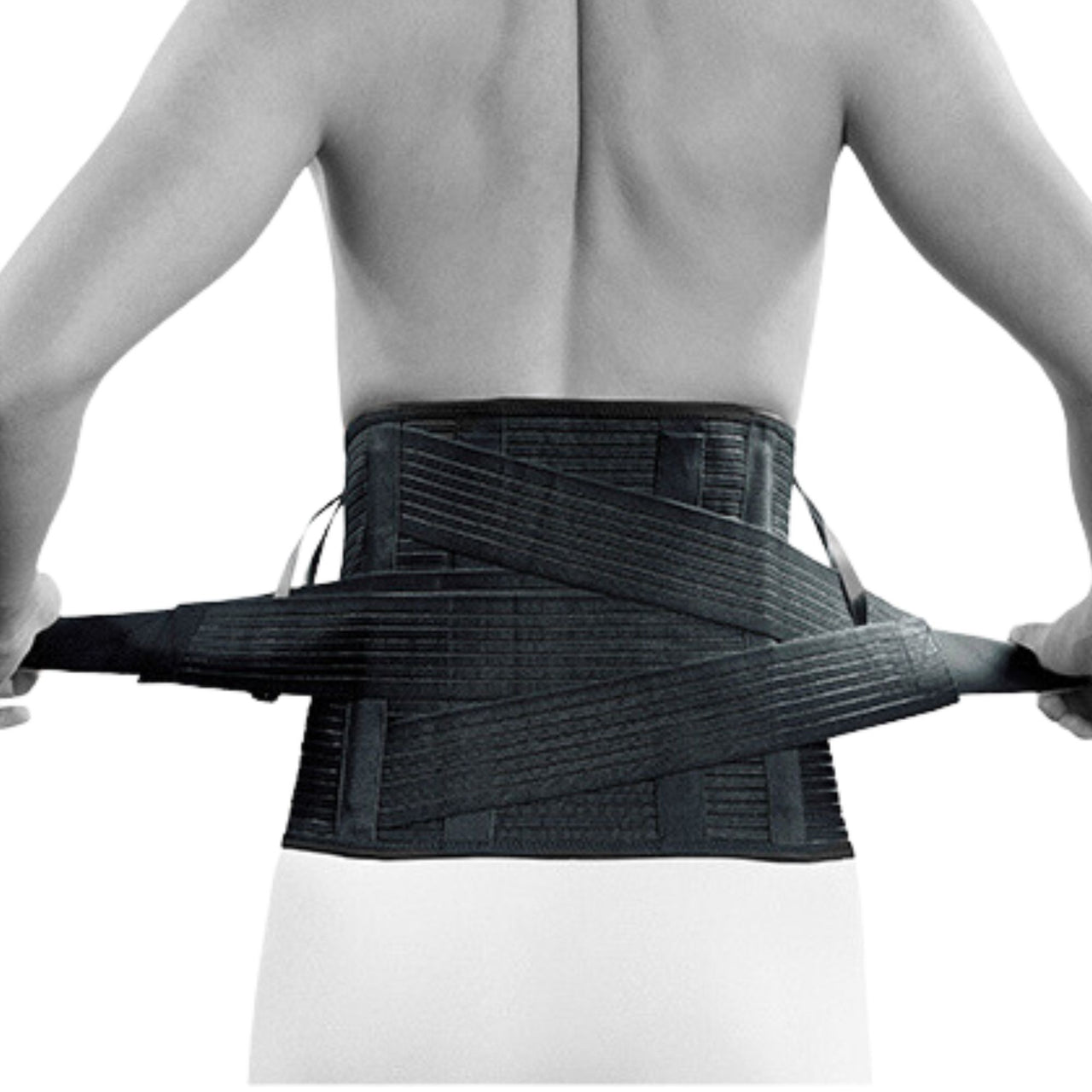
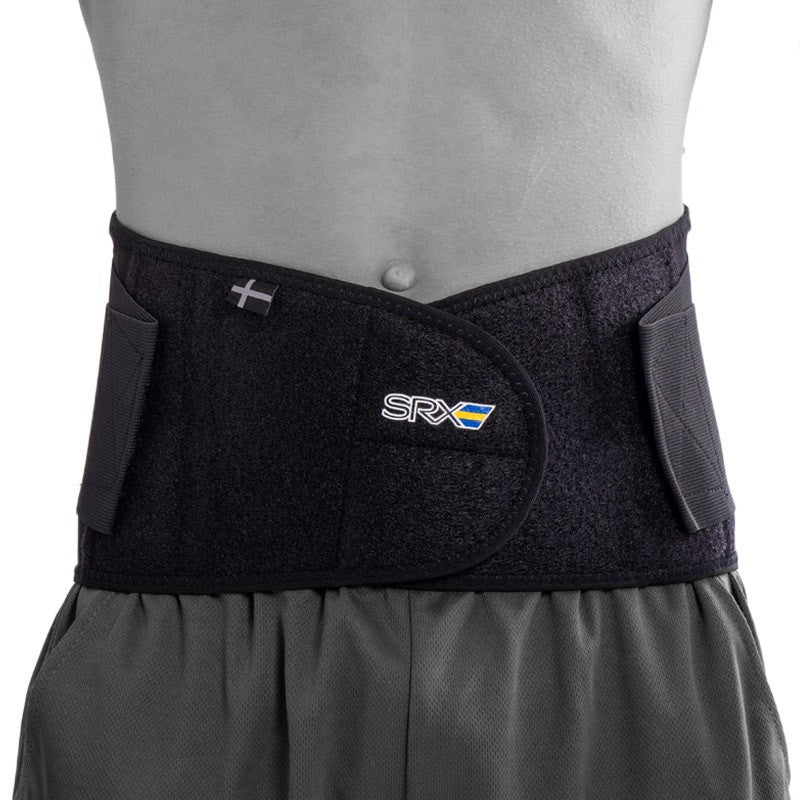
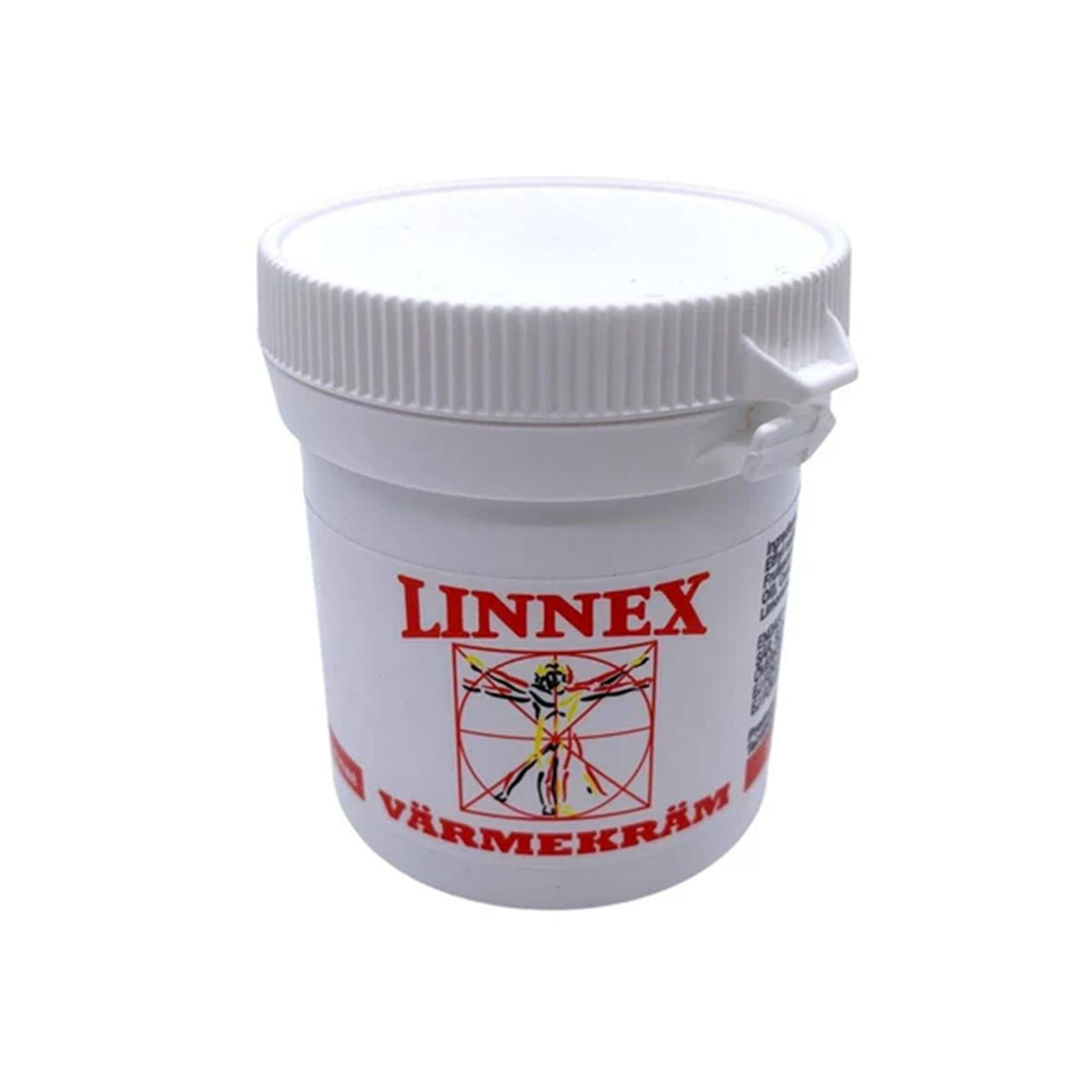
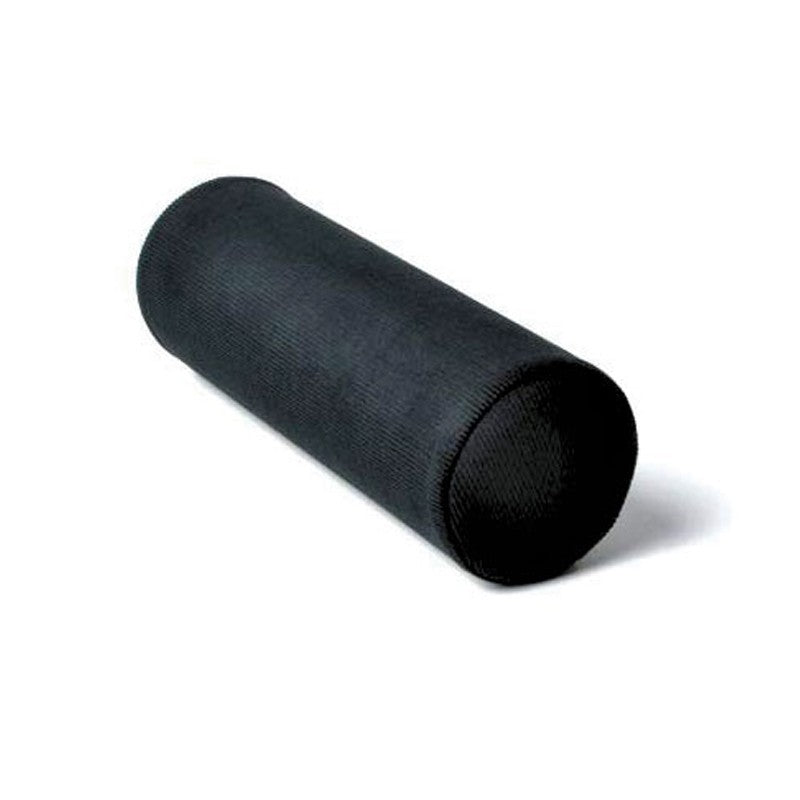
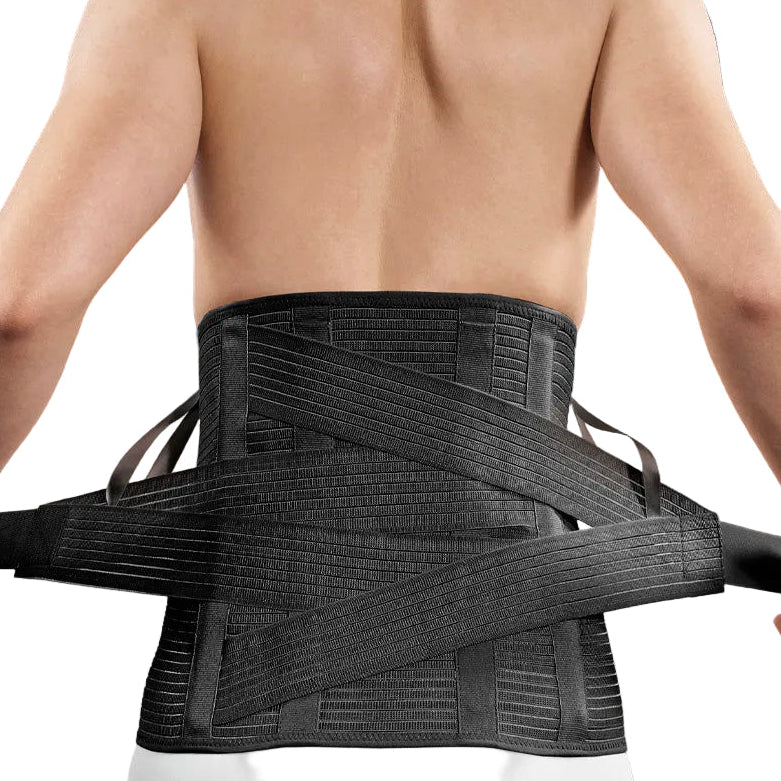
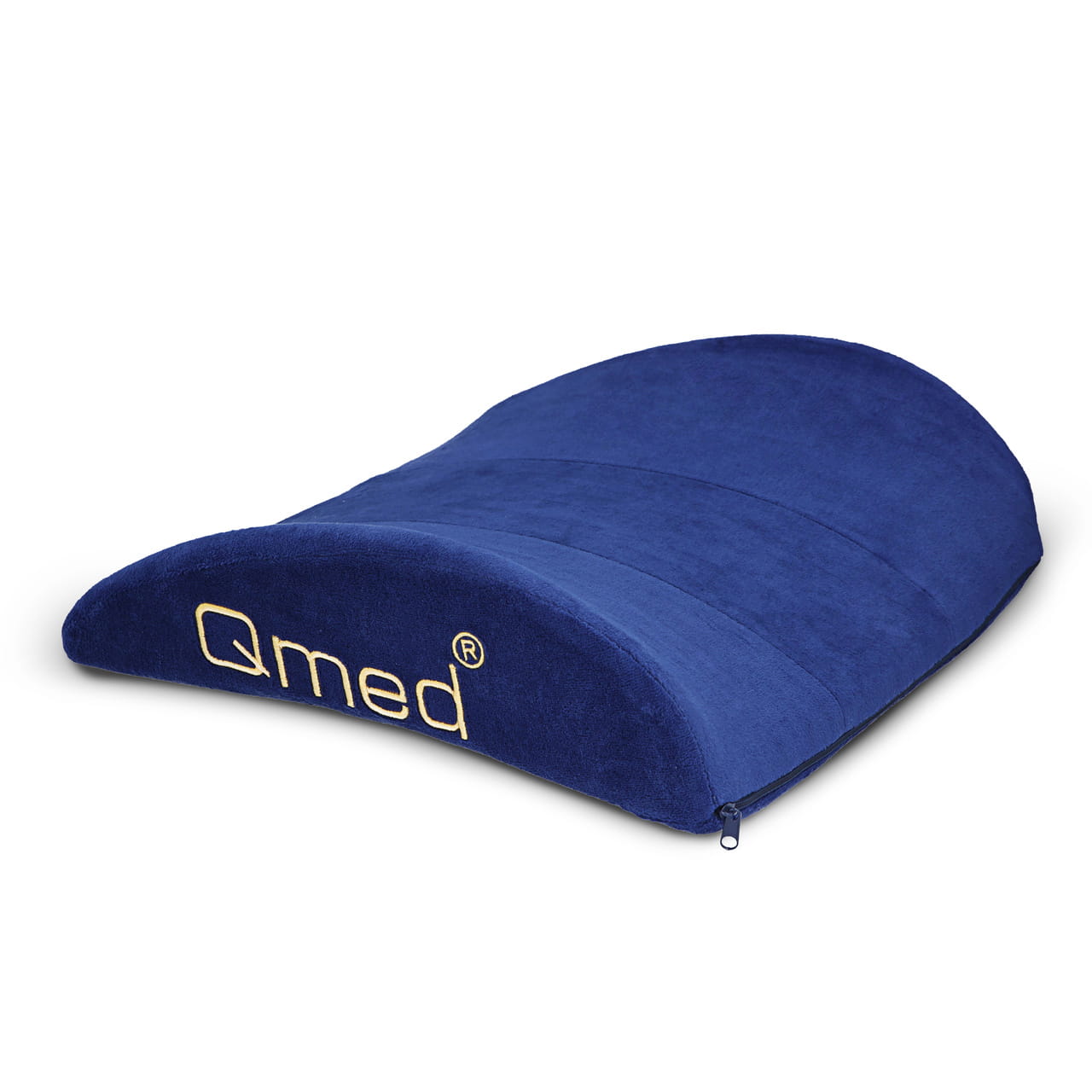
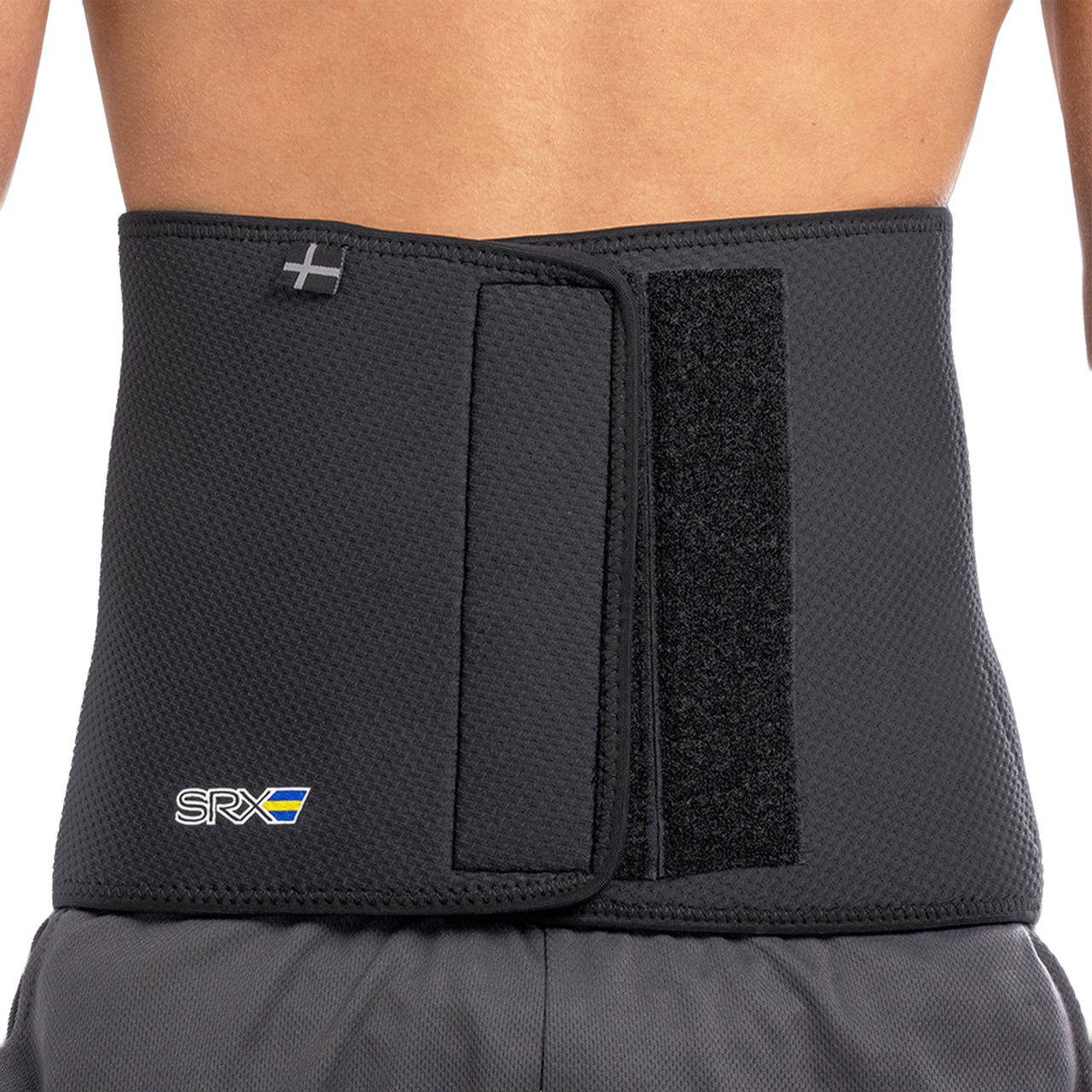
If you have lower back pain, the right support and offloading can help reduce pain and provide greater comfort in everyday life and at work. A back brace can help relieve pain and facilitate rehabilitation. Stabilizing models with integrated stays provide additional support and pain relief. Most can be worn discreetly under clothing during daily activities. Ergonomic aids such as a lumbar support pillow or an adjustable chair can improve your working posture and reduce strain on the lower back. For the best long-term results, these measures should be combined with individually tailored exercise and regular physical activity.
See our products that can help relieve lower back pain
Related injuries:
For more information about the back and lower back, you can read more in the Back Injury Guide. You can also go to the Injury Guide's main page to read about other injuries and symptoms.