
A patellar dislocation, or dislocated kneecap, is a common knee injury in young, active people. The injury occurs when the kneecap dislocates completely or partially, affecting the stability of the knee joint. Problems can range from temporary subluxations to extensive dislocations that require emergency care and rehabilitation.
What is a patellar dislocation?
The kneecap (patella) is a sesamoid bone that normally glides in a groove in the thigh bone (femur). It helps protect the knee joint and assists the front thigh muscle by increasing its leverage. In a patellar dislocation, the kneecap shifts, most commonly outward, and moves out of its normal position. A partial displacement is called a subluxation, while a dislocation is when the patella is completely dislocated. The injury can cause pain, swelling and damage to surrounding ligaments and soft tissues.
Common causes & risk factors
The kneecap can dislocate due to both external forces and anatomical factors. A shallow groove in the femur increases the risk of the kneecap not staying in its correct position. Loose or stretched ligaments around the kneecap can also contribute to instability. A direct sideways impact during sports is another common cause of patellar dislocation.
Symptoms
- Severe pain at the time of injury
- Swelling around the kneecap
- The kneecap may be displaced sideways
- Stiffness and difficulty bending and extending the knee
- Feeling of instability or that the kneecap is "slipping"
- Lockups during activity may occur
When should you seek medical attention?
A total dislocation of the kneecap always requires emergency care to return the kneecap to its correct position. Recurrent subluxations should also be investigated by medical personnel to avoid long-term problems.
Recommended supports and braces
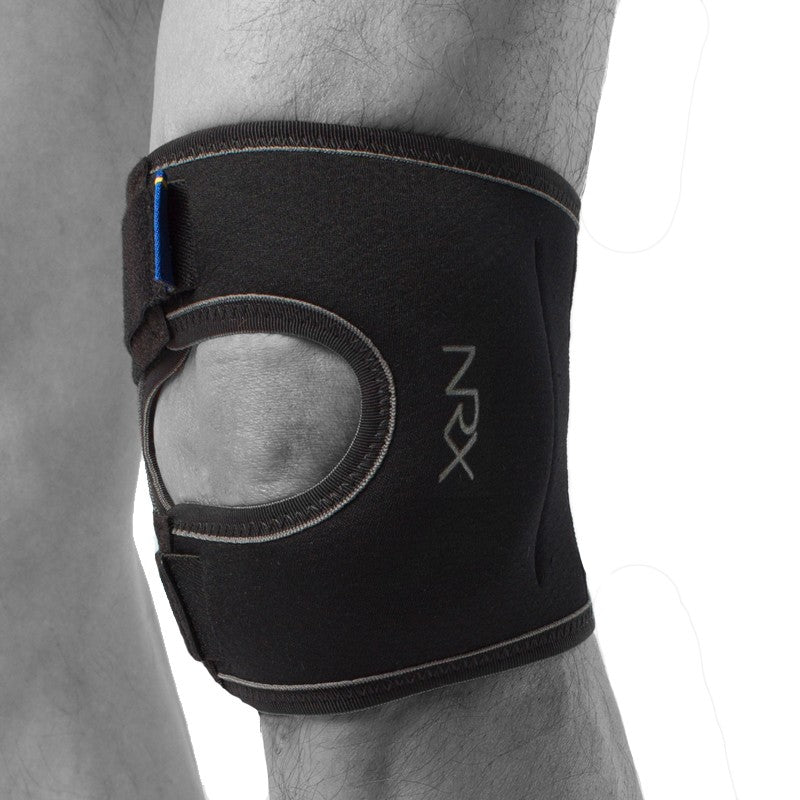
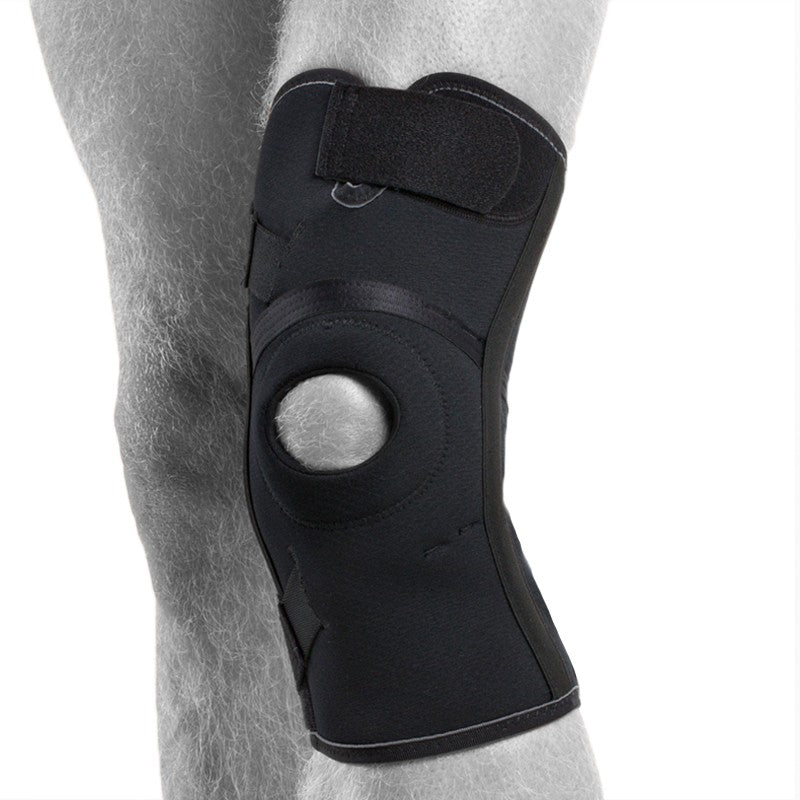
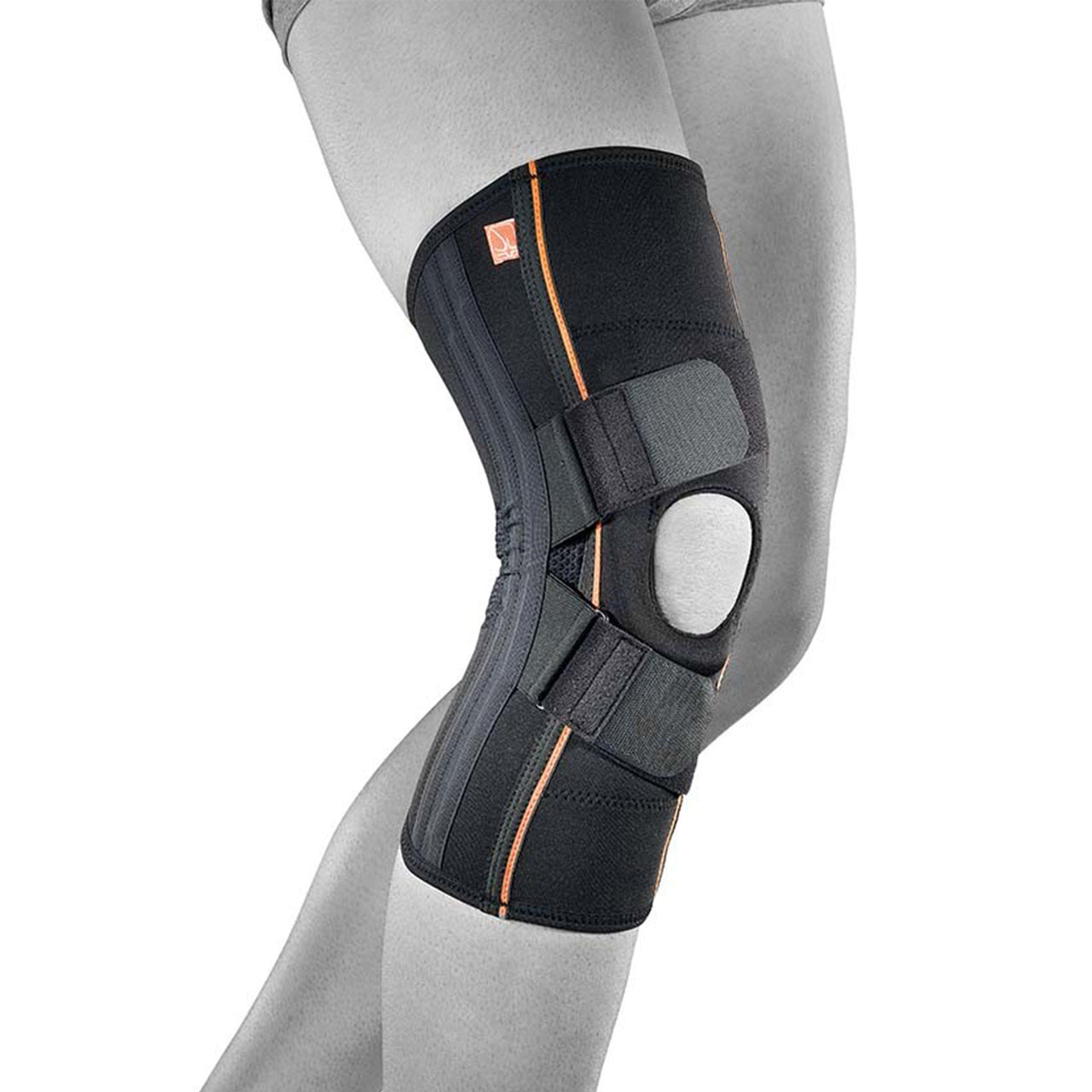
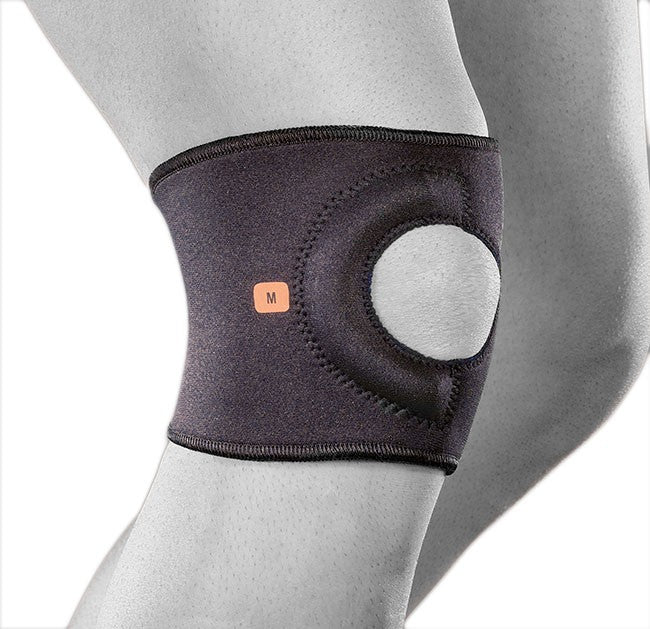
With a patellar dislocation, the right brace and support can help improve stability and provide confidence during rehabilitation and activity. During the first weeks of rehabilitation, a knee brace that limits movement in the knee joint may be needed. A patella-stabilising knee brace helps keep the kneecap in position and reduce the risk of new dislocations. The brace has a pad that provides support against the kneecap and can be adjusted for lateral or medial support when needed. Rehabilitation together with a physiotherapist is important to strengthen the muscles around the knee joint and reduce the risk of recurring dislocations. In cases of severe instability, surgery may be necessary.
See all braces and supports that can relieve symptoms of patellar dislocation
Related injuries
- Anterior cruciate ligament injury
- Collateral ligament injury in the knee
- Patellofemoral pain syndrome
- Knee pain
In the Knee Injury Guide, you can read more about common knee injuries and conditions. You can also go to the Injury Guide main page to read about other injuries and symptoms.