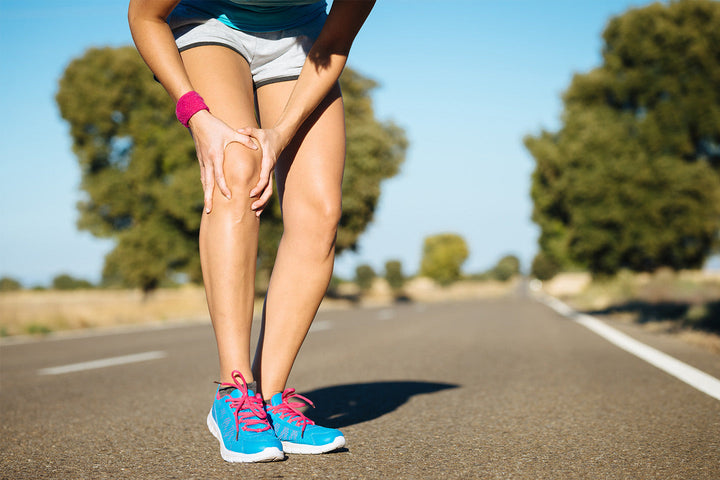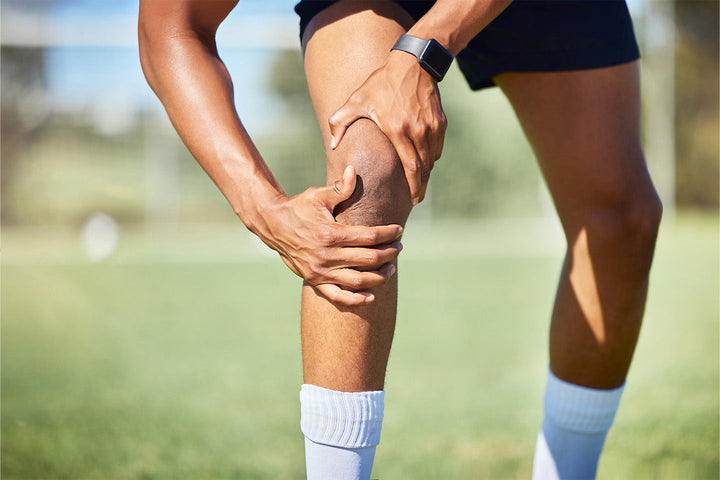

Patellofemoral pain syndrome (PFPS), also known as anterior knee pain, is a common cause of pain behind or below the kneecap. The condition affects both athletes and exercisers and can make everyday activities like climbing stairs and kneeling painful.
What is PFSS?
PFSS (Patellofemoral Pain Syndrome) is pain in the joint between the kneecap (patella) and the thigh bone (femur). It is not yet fully understood which structure or structures are responsible for the pain, but it is often triggered by activities that increase the load on the patellofemoral joint, such as running (especially downhill), deep squats, and climbing stairs. Pain may also occur when standing up after sitting for a long time, for example after watching a movie.
Common causes & risk factors
The most common cause of anterior knee pain in athletes is increasing training load too quickly or not allowing enough recovery between training sessions. Repetitive loading from running, jumping, or hill training can irritate the structures around the kneecap, particularly if movement technique is not optimal. Biomechanical factors may also contribute to symptoms. Weakness in the quadriceps and the muscles around the hip also appears to increase the risk of pain. The condition is more common in women than men, particularly younger women.
Symptoms
- Pain behind, below, or around the kneecap
- Stiffness and tenderness during activity, especially on stairs or hills
- Clicking, popping, or grinding sensations from the kneecap
- Pain after sitting with a bent knee for a long time
- Increased pain during squats, deep knee bending, jumping, or heavier loading
When should you seek medical attention?
If you have persistent pain, difficulty bearing weight on the knee, or suspect cartilage damage, you should seek medical assessment. It is often beneficial to consult a physiotherapist for patellofemoral pain syndrome to receive an individualised exercise programme.
Recommended supports & braces
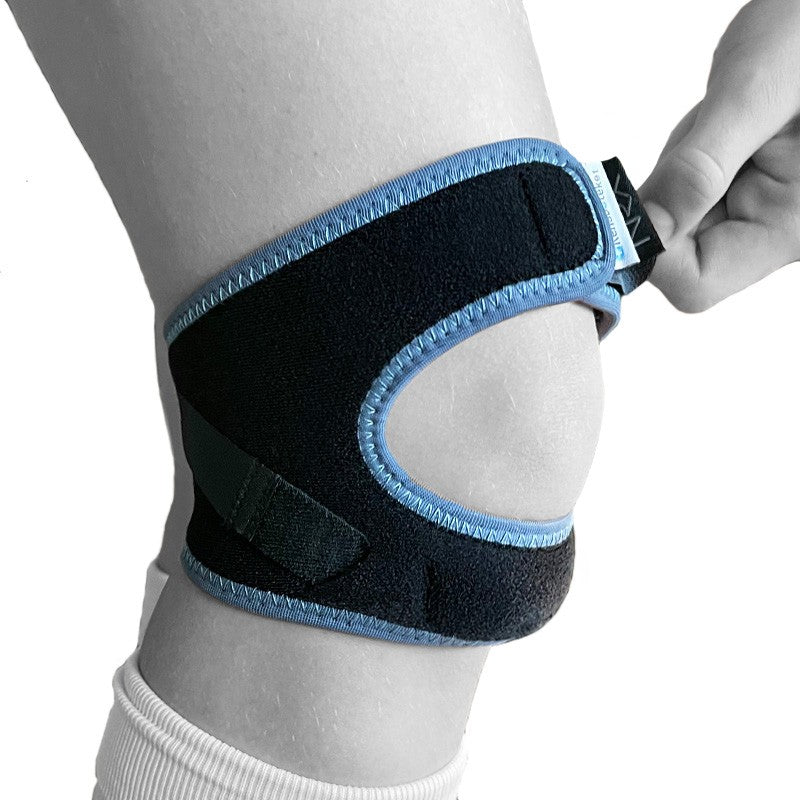
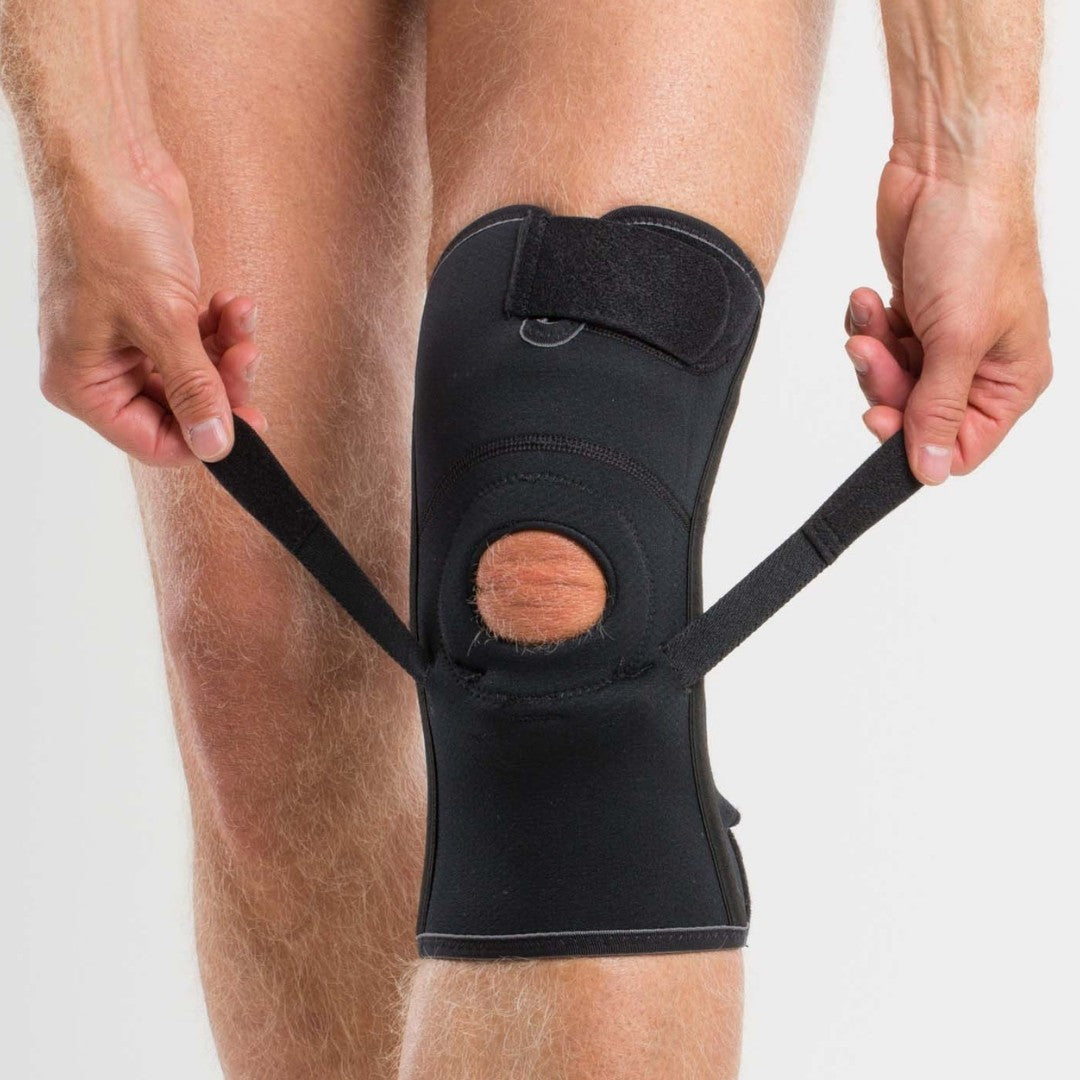
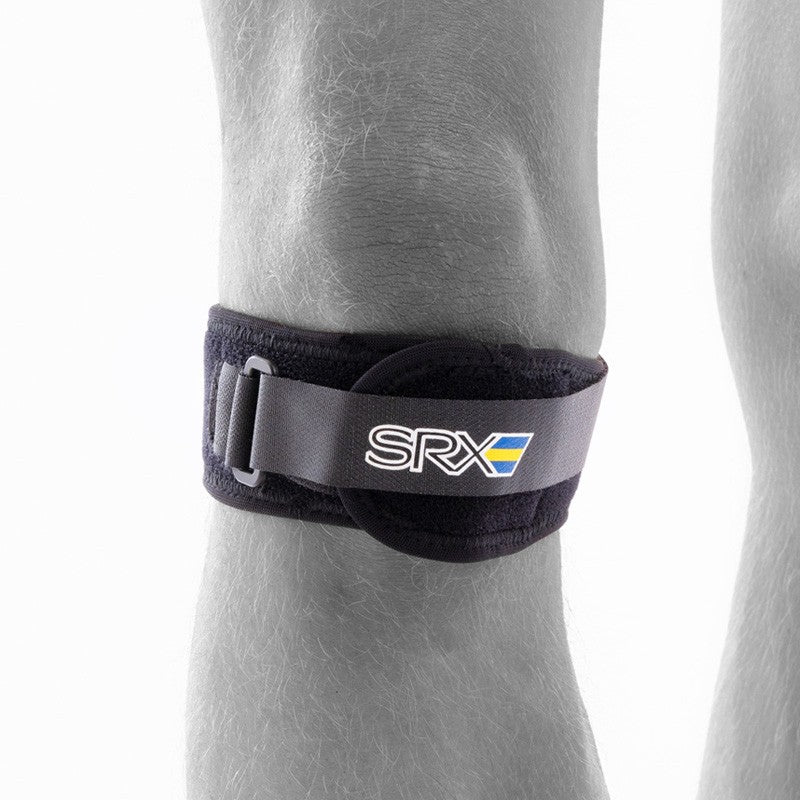
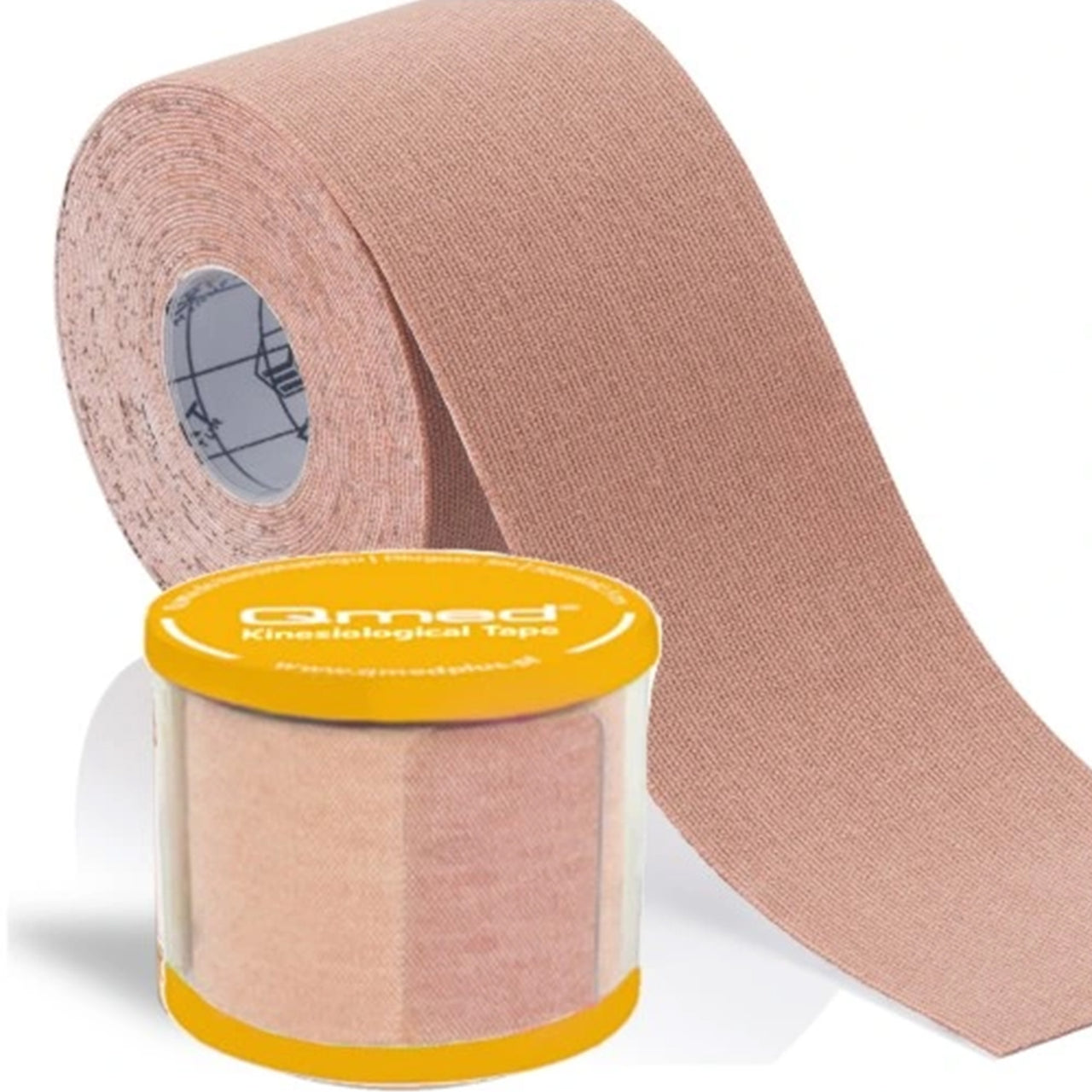
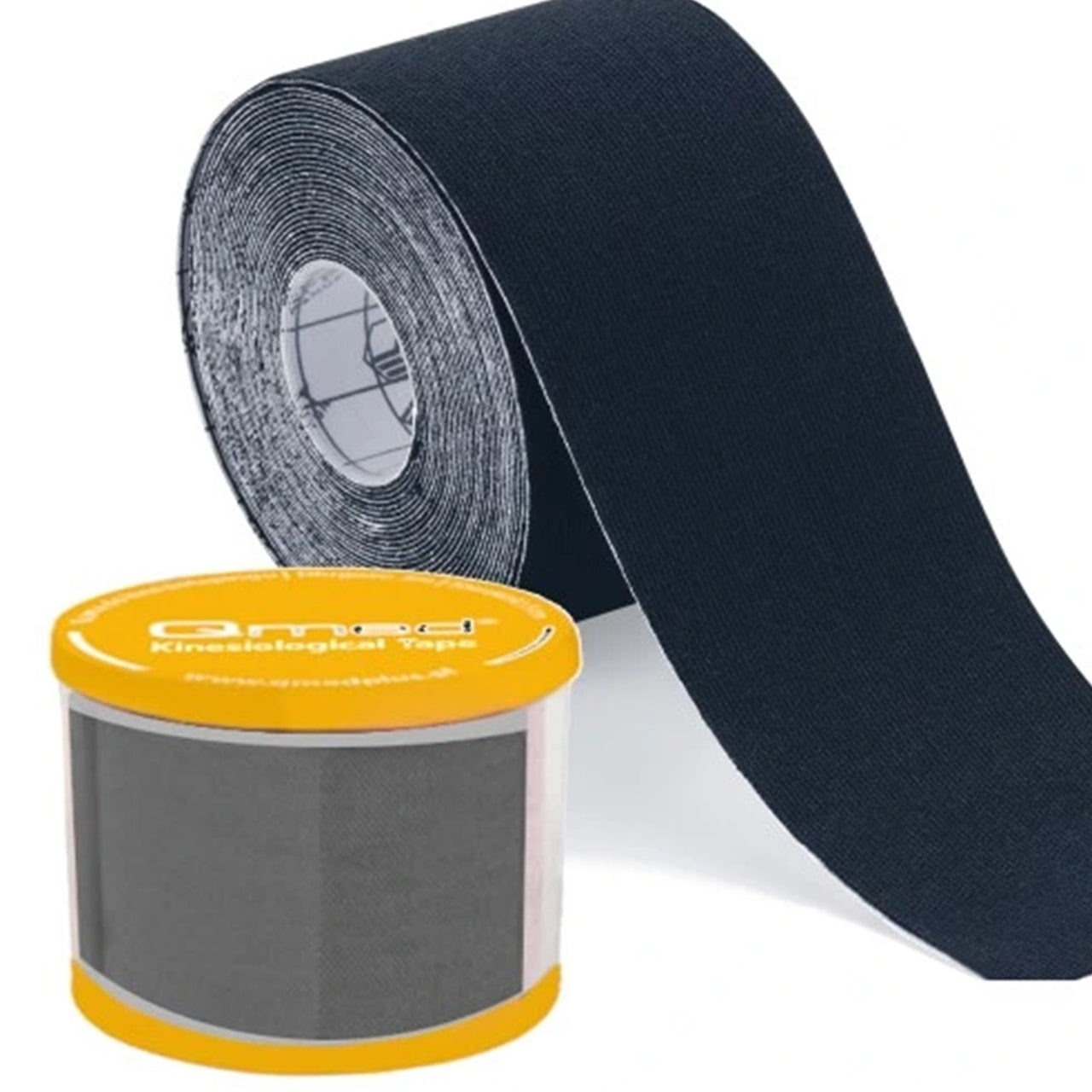
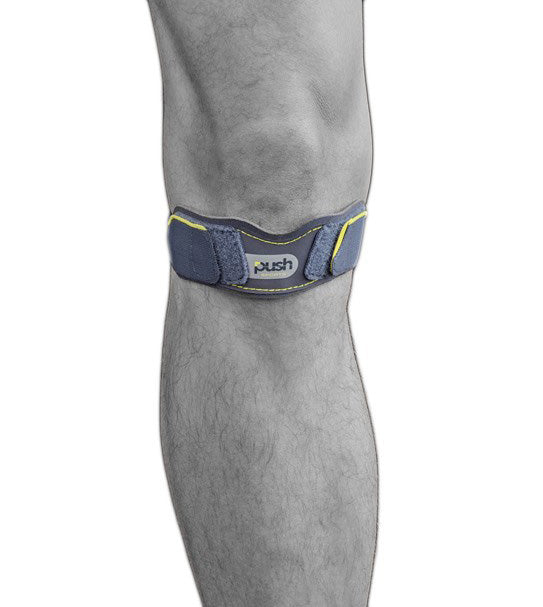
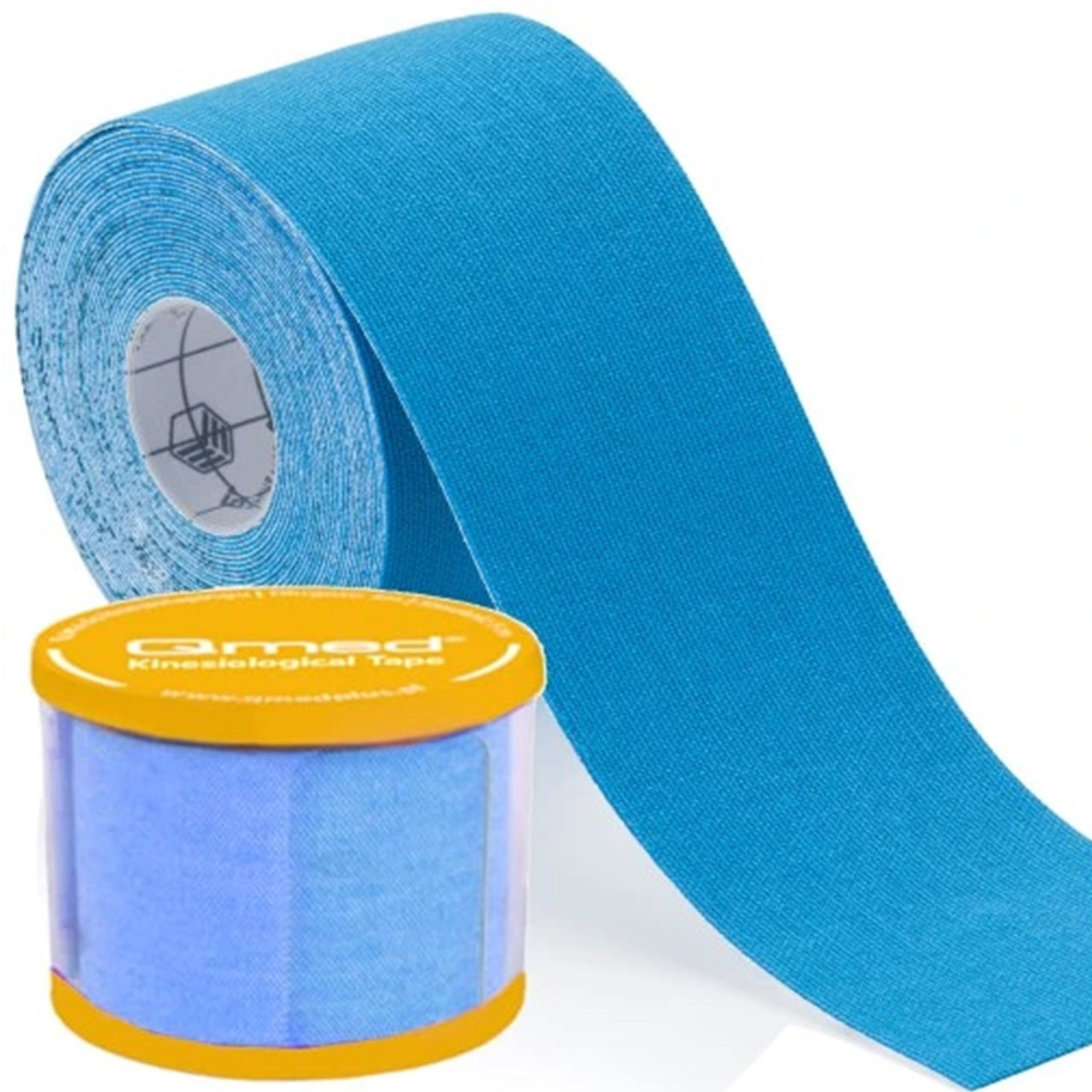
For patellofemoral pain syndrome, the right brace and support can help reduce pain and improve confidence during activity. Knee braces for PFSS are designed to unload the kneecap and reduce pressure against the femur. They often include an adjustable patellar pad that can provide more or less unloading depending on individual needs. For some people, arch-support insoles with pronation control may also help optimise lower limb alignment. Some people also find patellar taping beneficial.
See our products that may help relieve patellofemoral pain syndrome
Related injuries
In the Injury Guide Knee, you can read more about common knee injuries and conditions. You can also go to the Injury Guide main page to read about other injuries and symptoms.