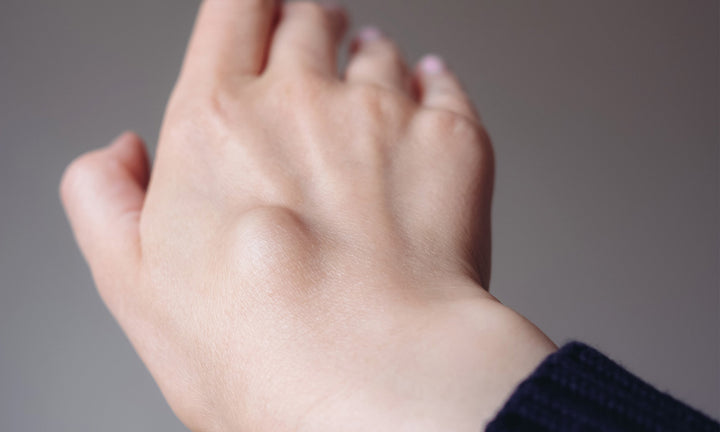
Carpal tunnel syndrome (CTS) is a common condition that occurs when the median nerve in the wrist is compressed. This can lead to pain, numbness, and loss of sensation in the thumb, index, and middle fingers. The symptoms can be bothersome both day and night, but proper support can alleviate them.
What is carpal tunnel syndrome?
Carpal tunnel syndrome is a condition where the median nerve in the wrist is subjected to pressure within the so-called carpal tunnel. When the pressure in the tunnel increases, the nerve can become irritated or compressed, leading to numbness, pain, and sometimes weakness in the hand.
The carpal tunnel is a narrow passage in the wrist through which the median nerve and several tendons pass. If the space in the tunnel decreases or the tissues swell, the pressure on the nerve increases. This can affect both the sensation in the fingers and the hand's grip strength.
Common causes & risk factors
Carpal tunnel syndrome occurs when the pressure in the carpal tunnel increases and the median nerve becomes compressed. The causes can vary, but an anatomically narrow carpal tunnel is a common risk factor and can sometimes be hereditary.
Repetitive work where the wrist is often held bent or strained in angled positions can also contribute to the development of symptoms. This applies, for example, to craftsmanship, repetitive tasks, or prolonged computer work.
Hormonal changes, especially during pregnancy, can increase the risk as fluid retention can increase pressure in the carpal tunnel. The risk of developing the condition also increases with age.
Physiotherapist's tips for carpal tunnel syndrome
"When you have carpal tunnel syndrome, it's important to relieve pressure on the wrist and keep it in a neutral position to reduce pressure on the nerve. I usually recommend a softer wrist support for minor issues and a more stable support with splints for a greater need for relief and control."
Ida
Licensed Physiotherapist · Rehaboteket
Symptoms
- Numbness and loss of sensation in the thumb, index, and middle fingers
- Pain and ache, often worse at night
- A burning sensation that can radiate up the forearm
- Weakness in the hand and difficulty gripping objects
- Stiffness and problems with fine motor skills
- A feeling of swelling in the hand and fingers
The symptoms of carpal tunnel syndrome often occur when the pressure on the median nerve increases or when the wrist is held in flexed positions for an extended period.
When does carpal tunnel syndrome hurt the most?
The pain and numbness of carpal tunnel syndrome often occur in situations where the wrist is stressed or held in the same position for an extended period.
During the night
Many experience worsening numbness and pain during the night when the wrist is bent during sleep.
With repetitive hand movements
Work or activities where the hand is used repeatedly can increase pressure in the carpal tunnel.
With prolonged computer work
When the wrist is held bent for a longer period, the discomfort can gradually increase.
When gripping objects
Holding tools, a phone, or other objects for an extended period can worsen symptoms.
When should you seek medical care?
Seek medical attention if the discomfort persists for several weeks despite rest, if you experience clear loss of sensation, or if your grip strength in your hand deteriorates. Care should also be sought if numbness and pain affect your ability to use your hand in daily life.
Recommended braces & supports
For carpal tunnel syndrome, the right protection and relief can help reduce symptoms and increase comfort in daily life and at work. A wrist brace can help keep the wrist in a neutral position, thereby reducing pressure on the median nerve.
For nighttime, a special night splint can be effective as it prevents the wrist from bending during sleep. Relieving wrist supports can also help alleviate pain and prevent the discomfort from worsening during work or activity.
See all braces and supports that can provide relief for carpal tunnel syndrome
Related injuries
For more knowledge about the hand and wrist, you can read more in the Injury Guide Hand & Wrist. You can also go to the Injury Guide's main page to read about other injuries and symptoms.
The Injury Guide – quick guidance of common injuries
In our Injury Guide, you will receive clear and easy-to-understand information about common injuries, how they occur, and what symptoms usually occur. You will also receive recommendations on which protection and aids can relieve your discomfort and help you further in your rehabilitation. All information is based on expert knowledge from our licensed physiotherapist.
Find the right protection for your needs
There are several ways to find the right product on our website. For a more personalized selection, you can use our filters and sort by injury, body part, or sport. You can also get help from our AI assistant Eir, who is trained on all the content on our website and can help you with product recommendations, fit questions, and order-related concerns – 24/7. If you would prefer to speak directly with our licensed physiotherapist you can contact us via email or phone for personalized advice and support in selecting your product.