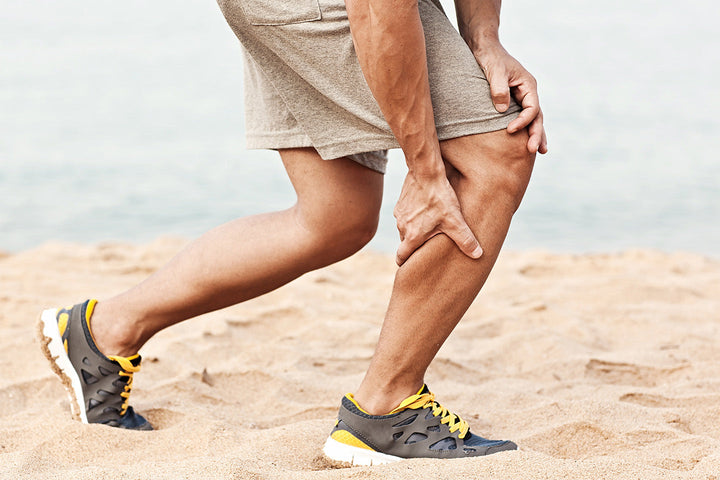

Shin splints are an overuse injury that causes pain along the inside of the shinbone. The problems affect both exercisers and athletes and are often related to increased training volume, changing surfaces, or incorrect loading of the foot and lower leg.
What are shin splints?
The exact cause of pain along the inside of the shin in people with shin splints is not fully understood. It was previously believed to be an inflammatory condition, but current evidence suggests that it is more likely a stress reaction in the bone. Shin splints are also known as medial tibial stress syndrome (MTSS). The condition is common among runners and athletes participating in high-impact sports involving frequent running and jumping. Pain typically develops during activity, subsides with rest, and returns with repeated exercise. Contributing factors may include overuse, anatomical factors such as overpronation, or inadequate footwear such as unstable shoes.
Common causes & risk factors
Shin splints are often caused by overtraining, a rapid increase in training volume, or switching between hard and soft running surfaces. Anatomical factors such as excessive foot pronation can alter alignment and contribute to the condition. Unstable footwear or inadequate shock absorption also increases the risk. Exposure to cold weather may further aggravate the symptoms.
Symptoms
- Pain along the inside of the shinbone during activity
- Tenderness and pressure pain locally on the lower leg
- Heat increase and sometimes swelling in the affected area
- Increasing pain with increased load
- Alternating symptoms with better and worse periods
When should you seek medical attention?
If the pain does not subside despite rest and self-care, or if the problems worsen and prevent you from everyday activities, you should contact healthcare.
Recommended protection & support
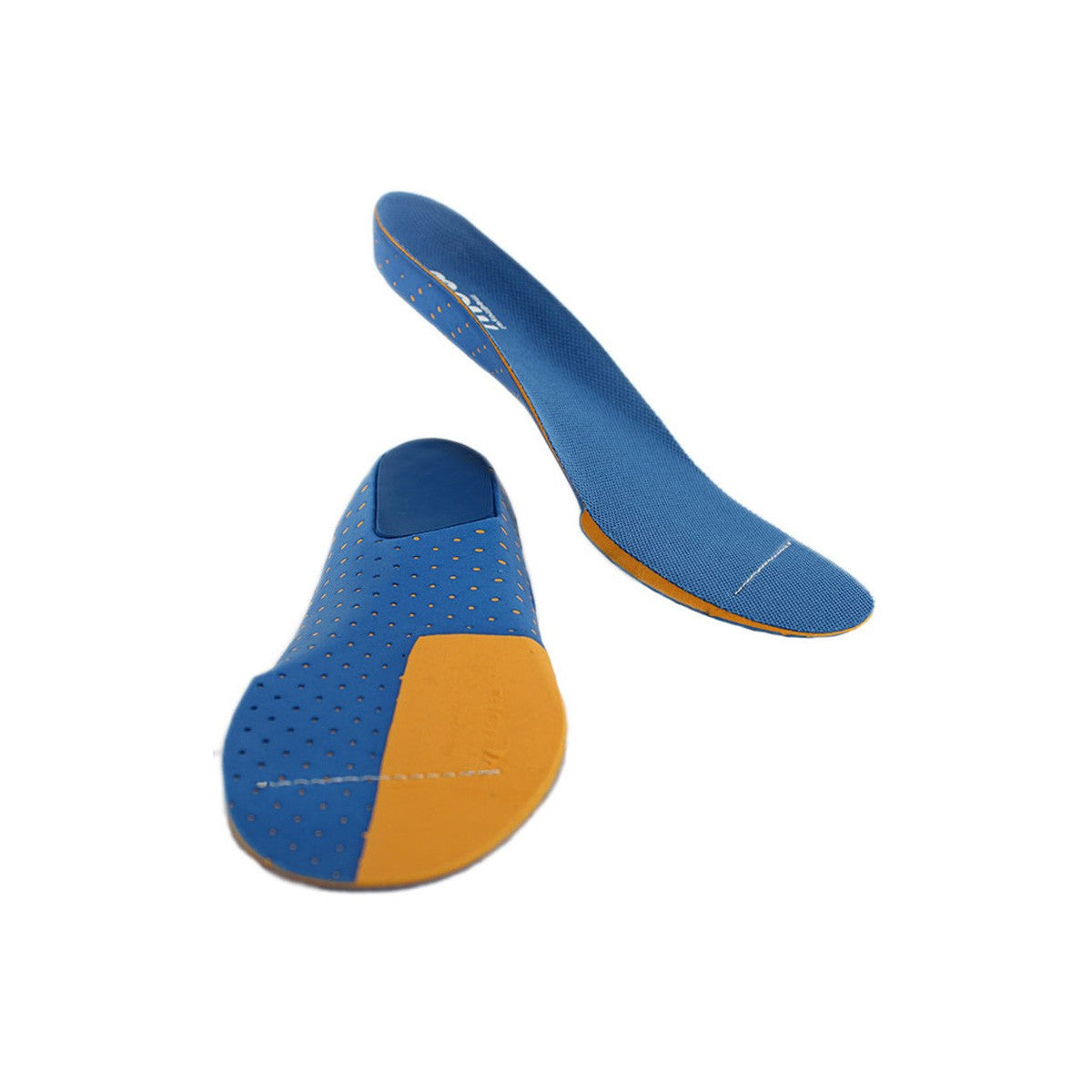
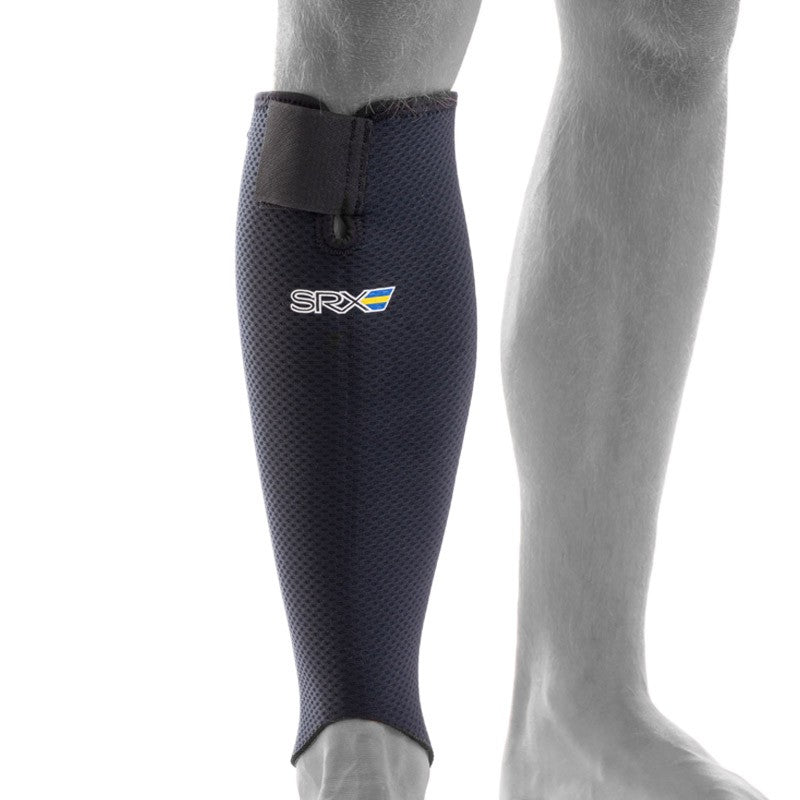
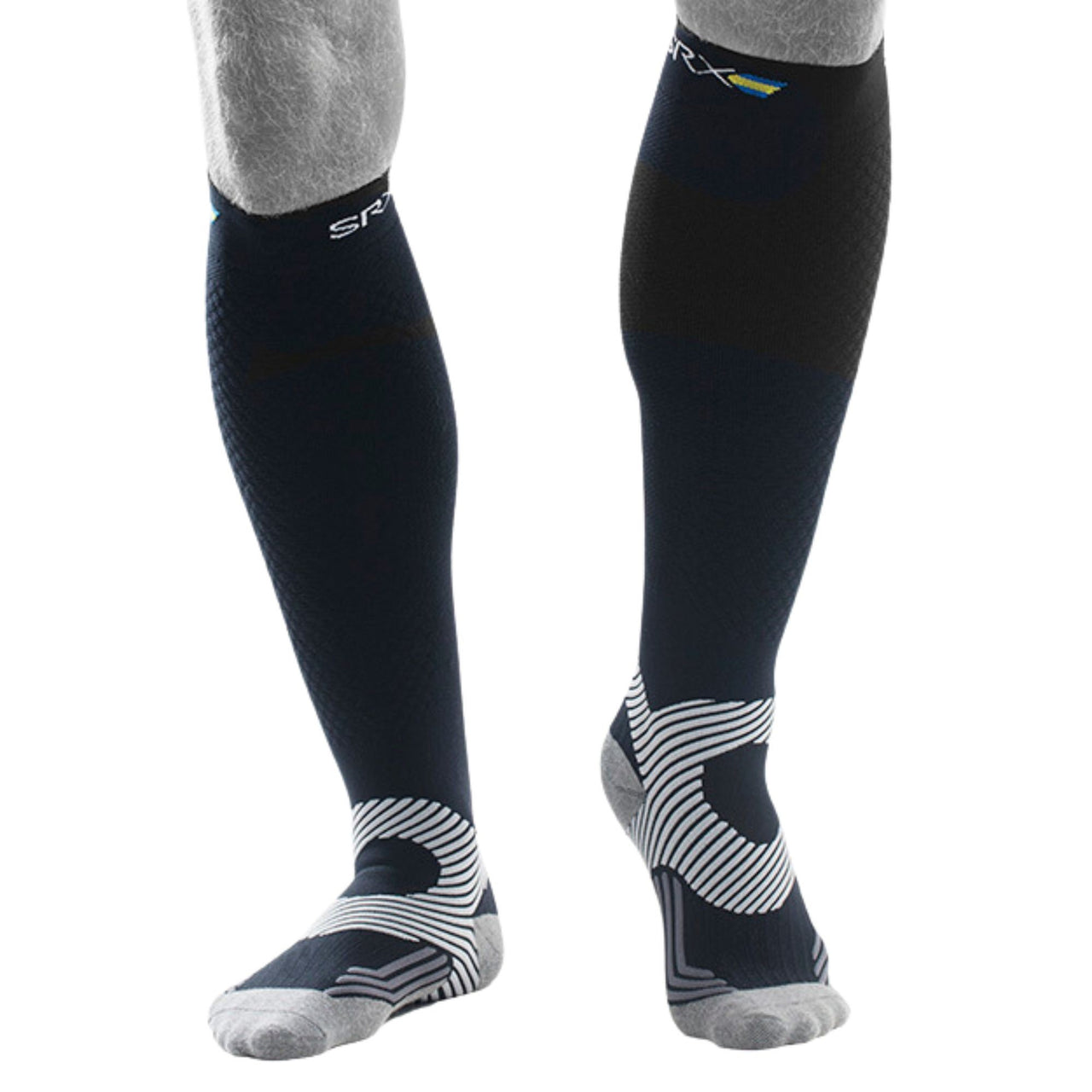
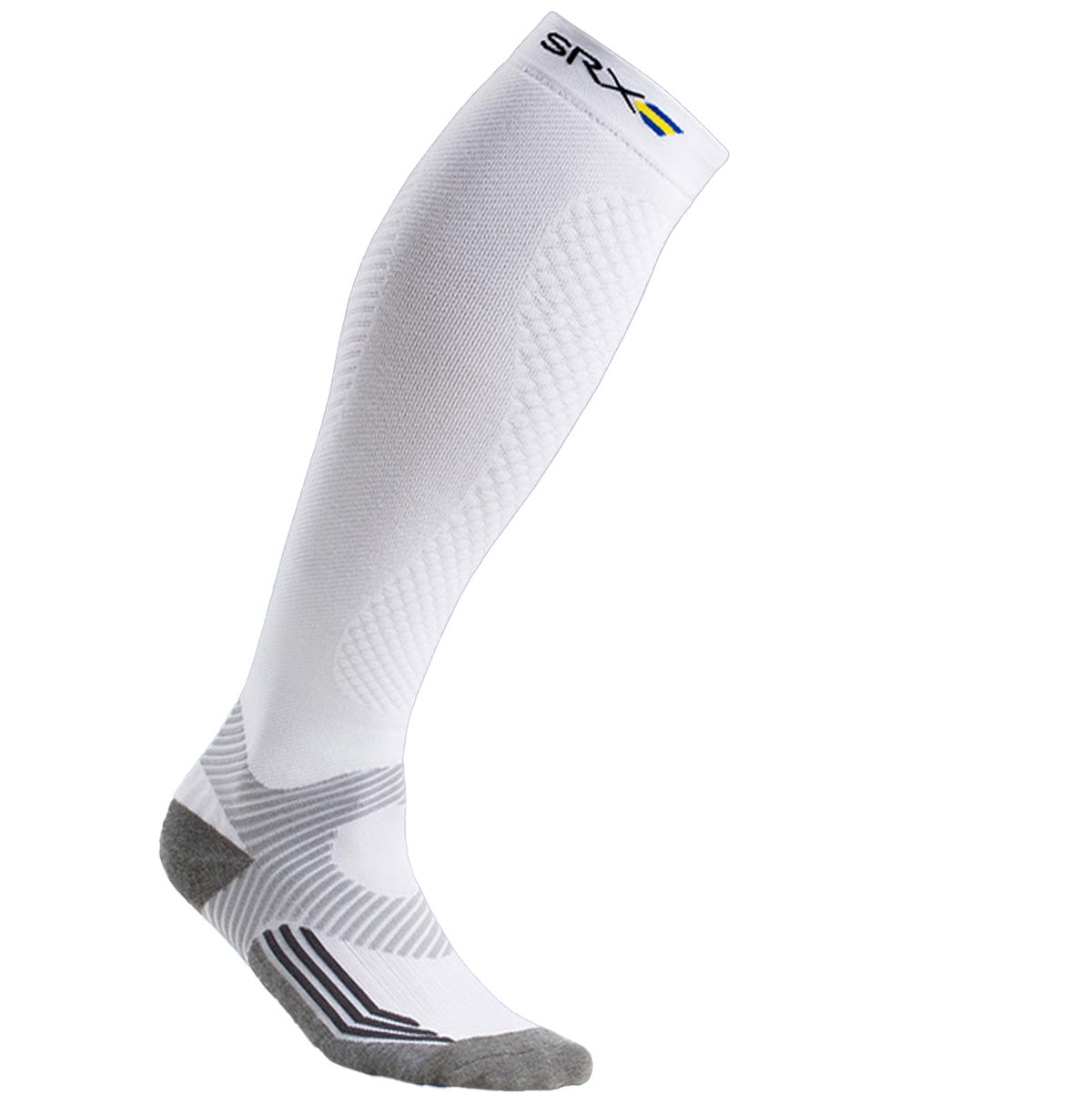
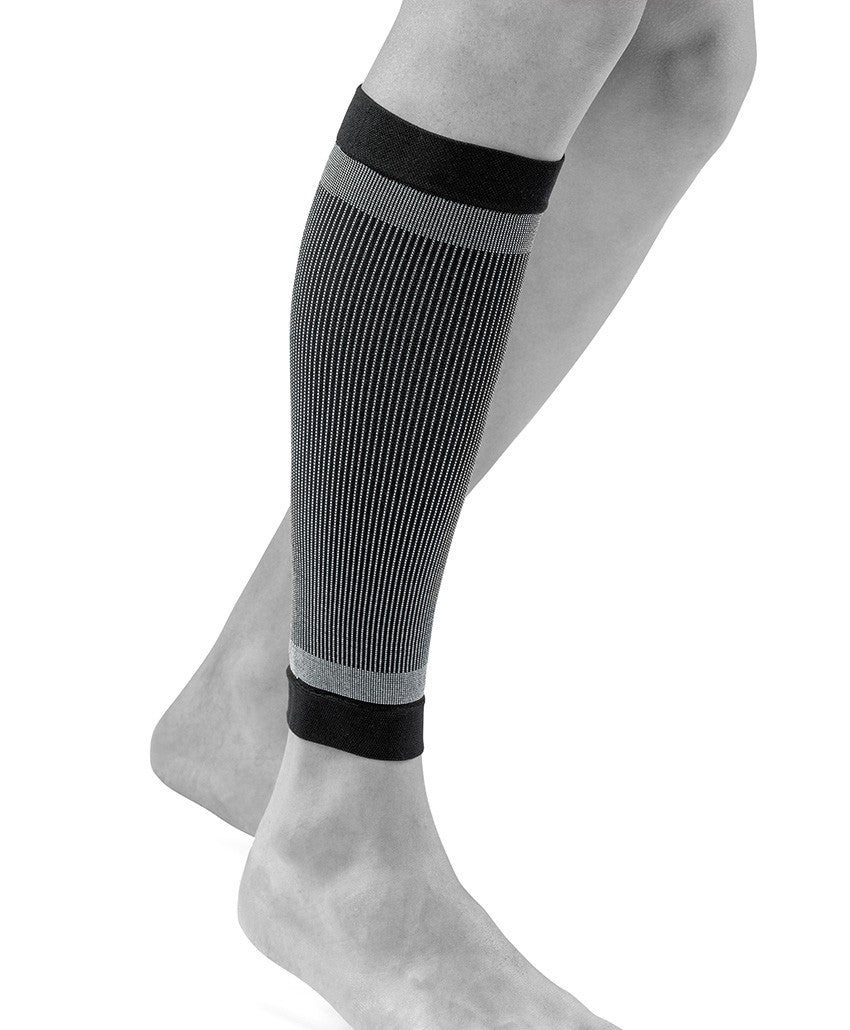
With shin splints, the right support and offloading can help reduce pain and increase confidence during activity. Preventive measures such as proper warm-up, gradually increasing training volume, and choosing appropriate footwear are essential to reduce the risk of recurring problems.
See all supports and braces that can provide relief for shin splints
Related injuries
For more information about leg, calf and thigh problems, you can read more in the Injury Guide Legs, and you can also go to the Injury Guide main page to read about other injuries and symptoms.