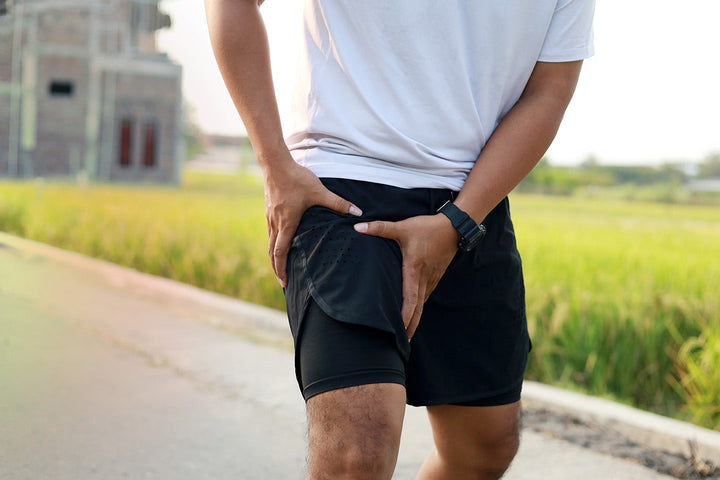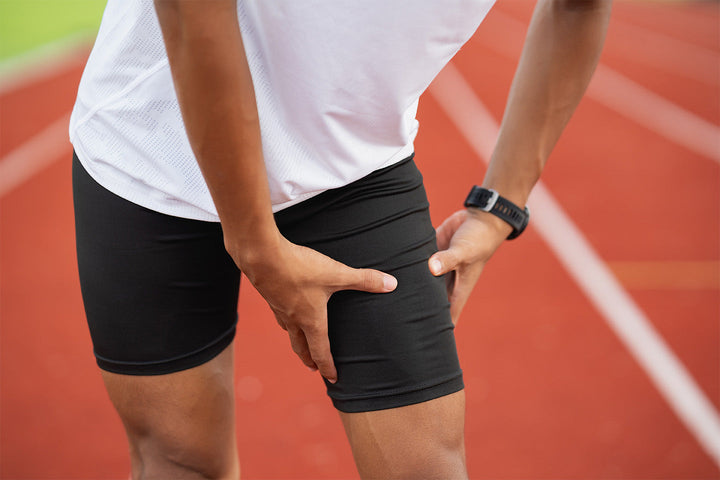

A muscle tear in the leg is a common injury that often occurs in connection with sports, exercise, or contact sports. The injury is caused by the tearing of muscle tissue, which leads to bleeding, swelling, and pain.
What is a muscle tear?
A muscle tear is a partial or complete tear of muscle tissue, often at the junction between muscle and tendon. The injury can be a small tear or a complete rupture. The most common areas are the thigh muscles and calf muscles, but tears can occur in all muscle groups. The risk increases with poor warm-up, previous injuries, age, or cold and tight muscles.
Common causes & risk factors
Muscle tears often occur with explosive movements, incorrect loading or direct force as in contact sports. Overexertion with high training volume, insufficient warm-up and scar tissue from previous injuries also increase the risk. Cold and tight muscles reduce elasticity and make the muscle more vulnerable.
Symptoms
- Sudden stabbing pain in the muscle at the time of injury
- Local swelling, warmth, and redness over the injured area
- Bluish discoloration due to bleeding
- Pain with movement and sometimes even at rest
- Impaired function and strength in the affected muscle
When should you seek medical attention?
If the pain is severe, persists for more than 24 hours, or if you experience a significant loss of function, you should seek medical attention. A severe muscle tear may require a medical examination to rule out associated injuries. If the injury is extensive and involves multiple muscle tendons becoming detached, surgery may also be necessary.
Recommended protection & support
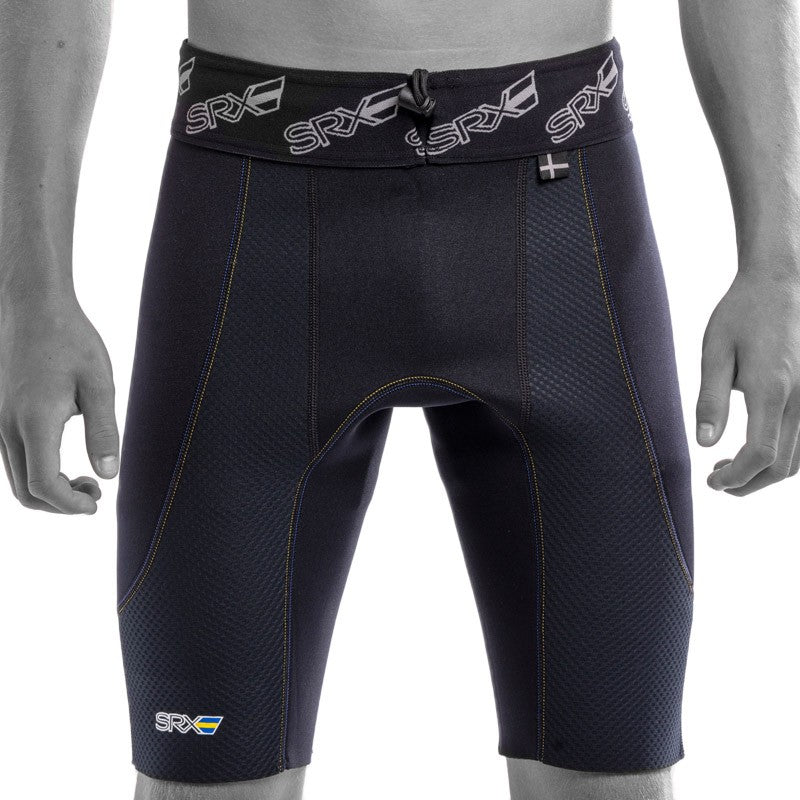
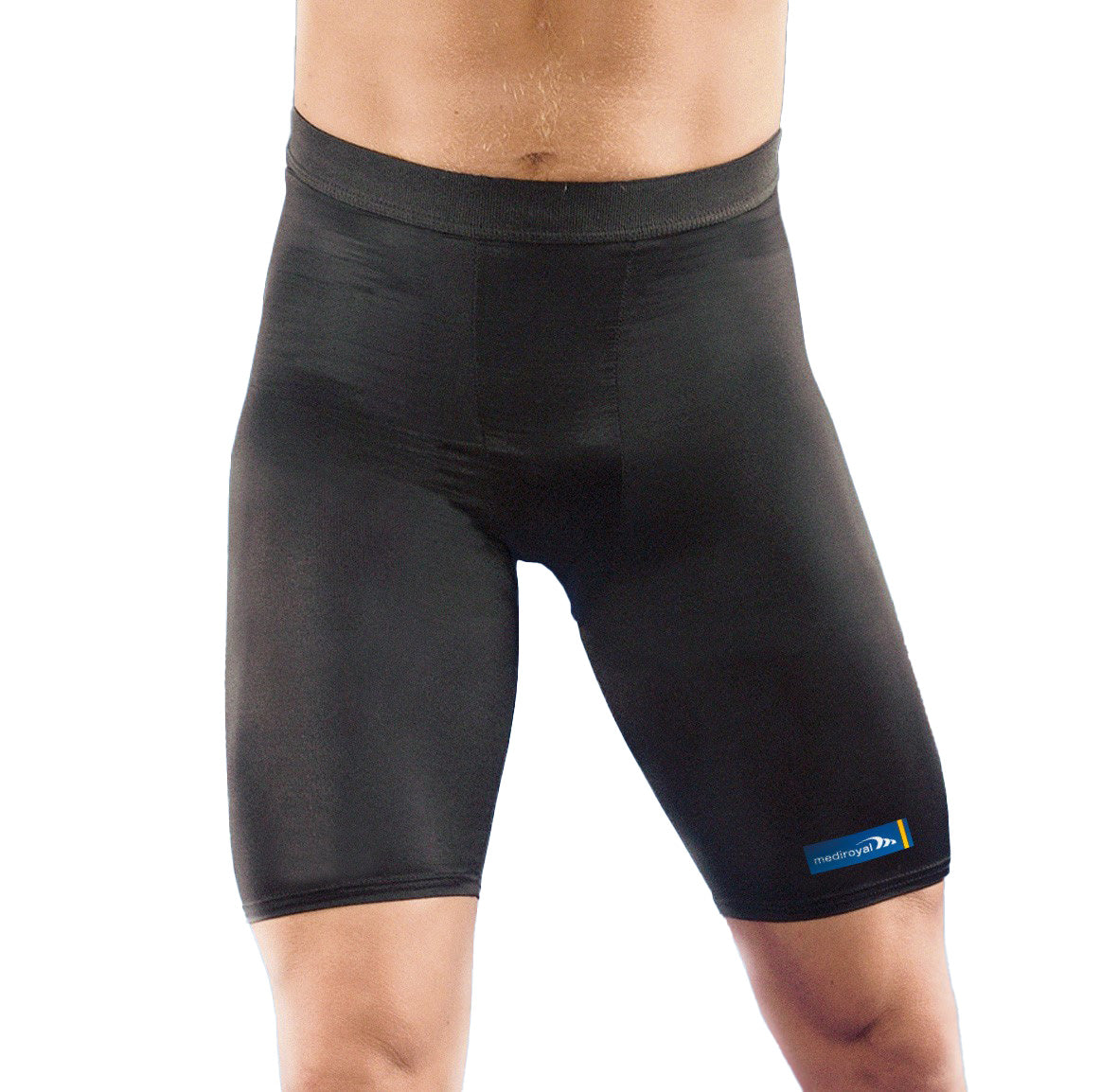
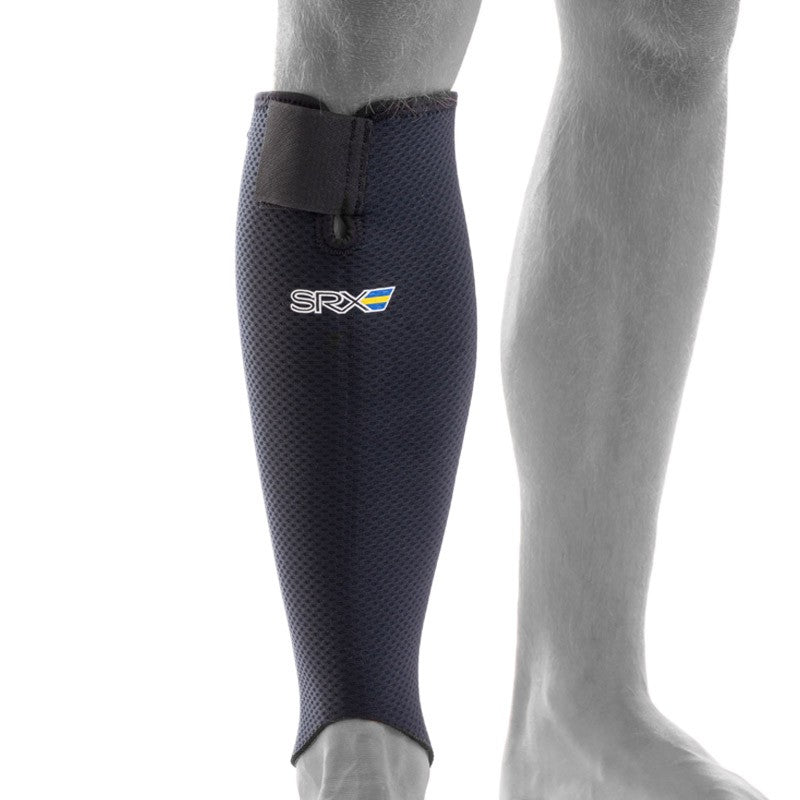
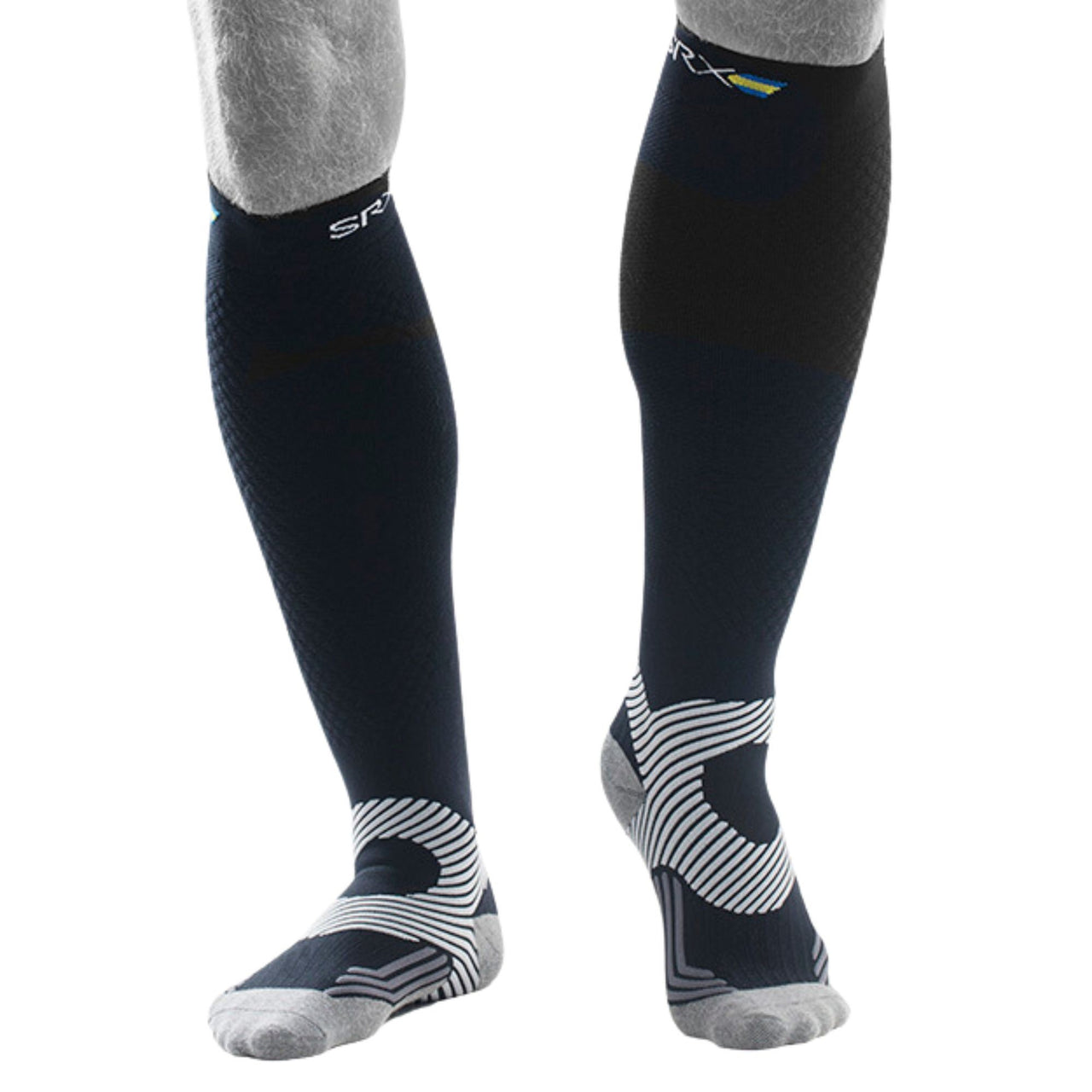
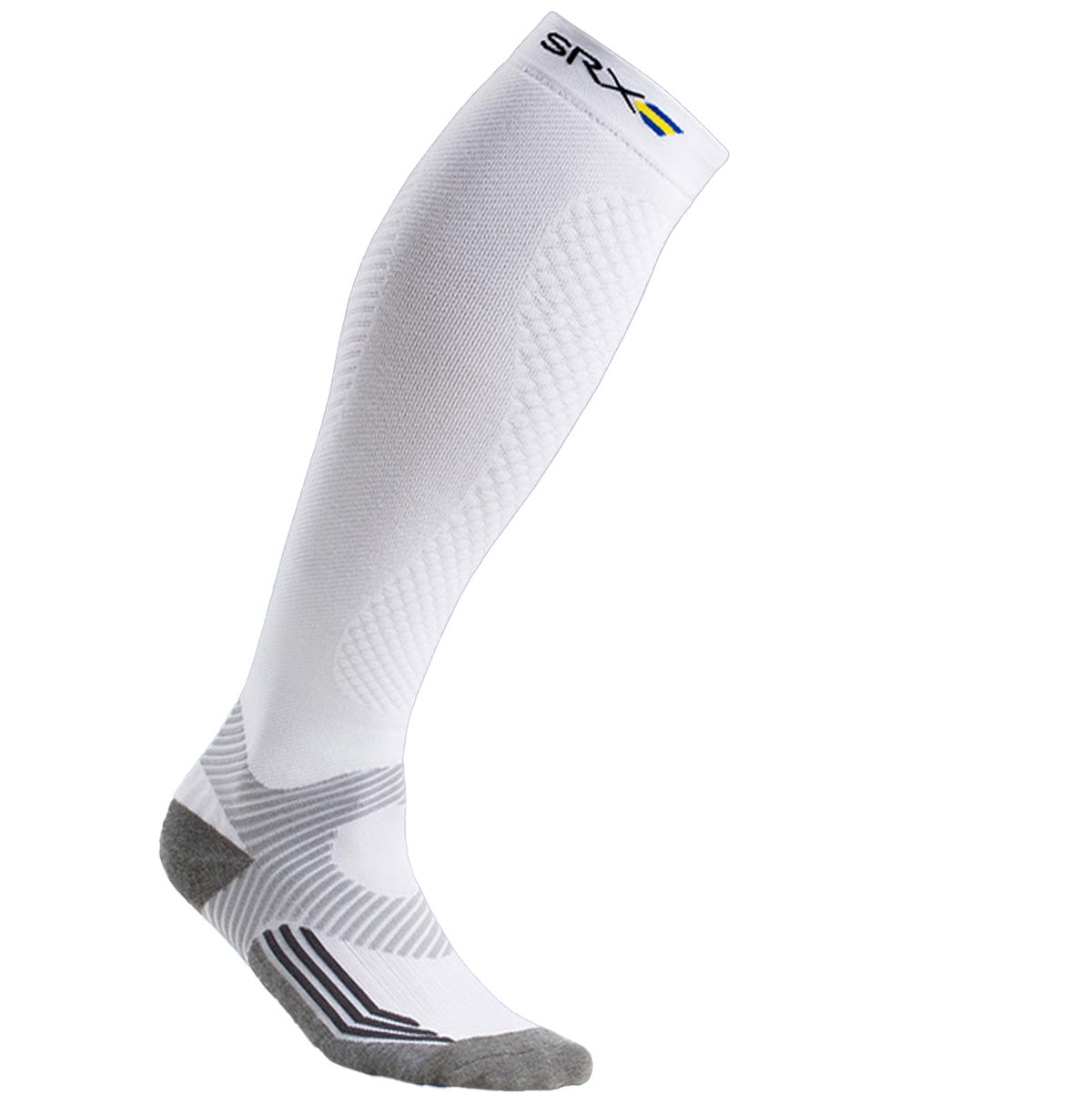
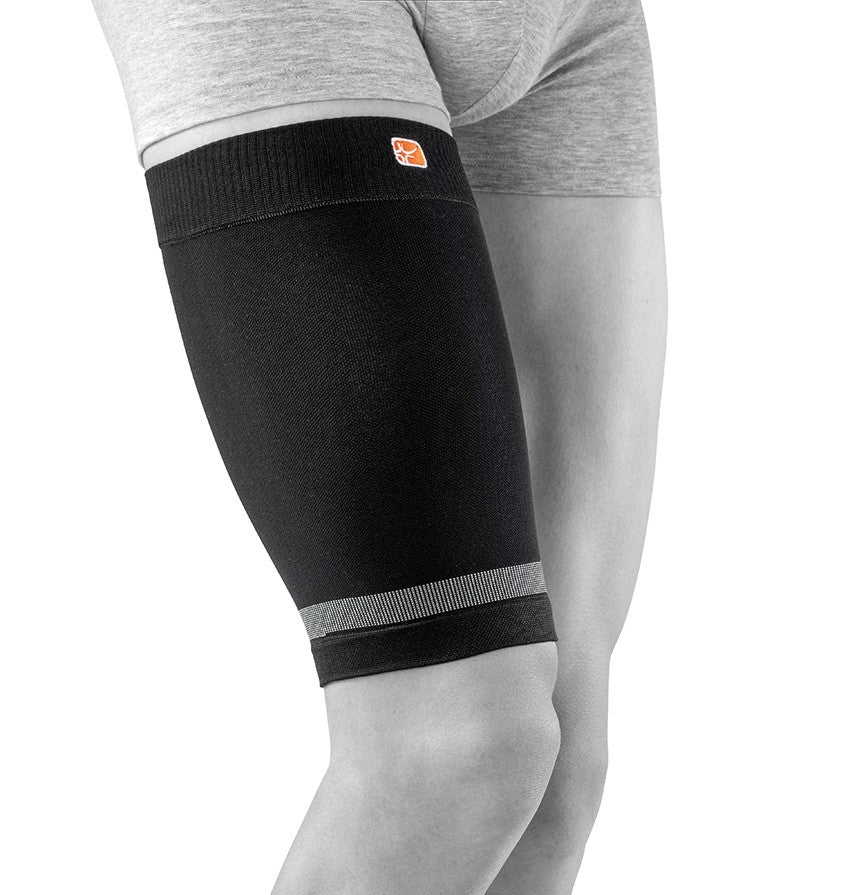
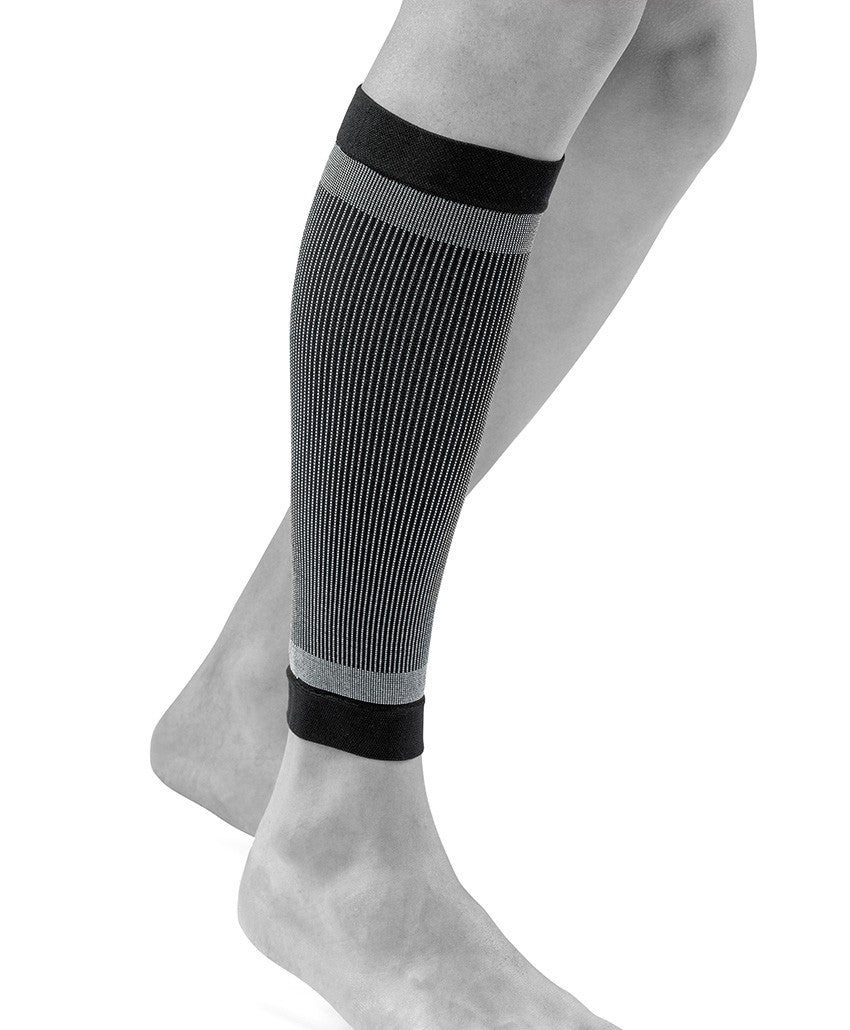
With a muscle tear in the leg, the right support and offloading can help improve comfort and confidence during the healing process. The combination of compression, cooling, and elevation (the PRICE principle) is a well-established first aid approach. Once the acute phase has passed, a compression support can be used during activity to improve circulation and reduce the risk of reinjury. An individual rehabilitation programme developed together with a physiotherapist is important for restoring strength and preventing future injuries.
See all supports and braces that can provide relief for a muscle tear in the leg
Related injuries
For more information about leg, calf and thigh problems, you can read more in the Injury Guide Legs, and you can also go to the Injury Guide main page to read about other injuries and symptoms.