
Joulu- ja uudenvuoden loma on usein täynnä lepoa, hyvää ruokaa ja ehkä hieman vähemmän liikuntaa kuin tavallisesti. Kun arki alkaa taas, monet tunnistavat ajatuksen: "Nyt aion aloittaa harjoittelun!" – klassinen uudenvuodenlupaus. 😉
Usein kyse on kynnyksen madaltamisesta ja positiivisen, kestävän tavan rakentamisesta askel askeleelta. Kun harjoittelu tuntuu raskaalta, muista, että vähän on parempi kuin ei mitään. Tässä kirjoituksessa jaamme viisi yksinkertaista vinkkiä kestävän harjoittelutavan luomiseen – sekä täydellisen harjoitusohjelman, joka voidaan toteuttaa kotona, riippumatta aiemmasta kuntoilutasosta.
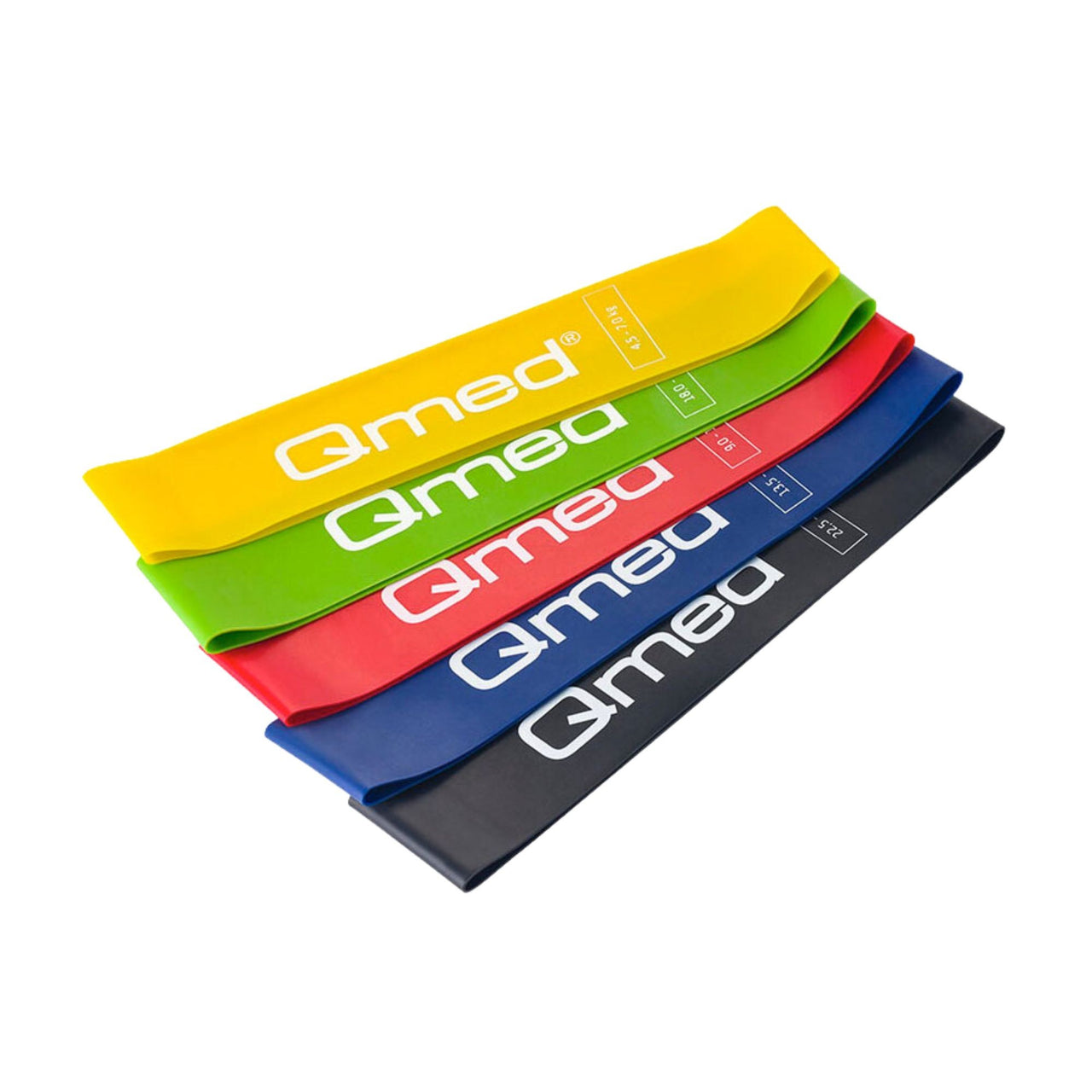
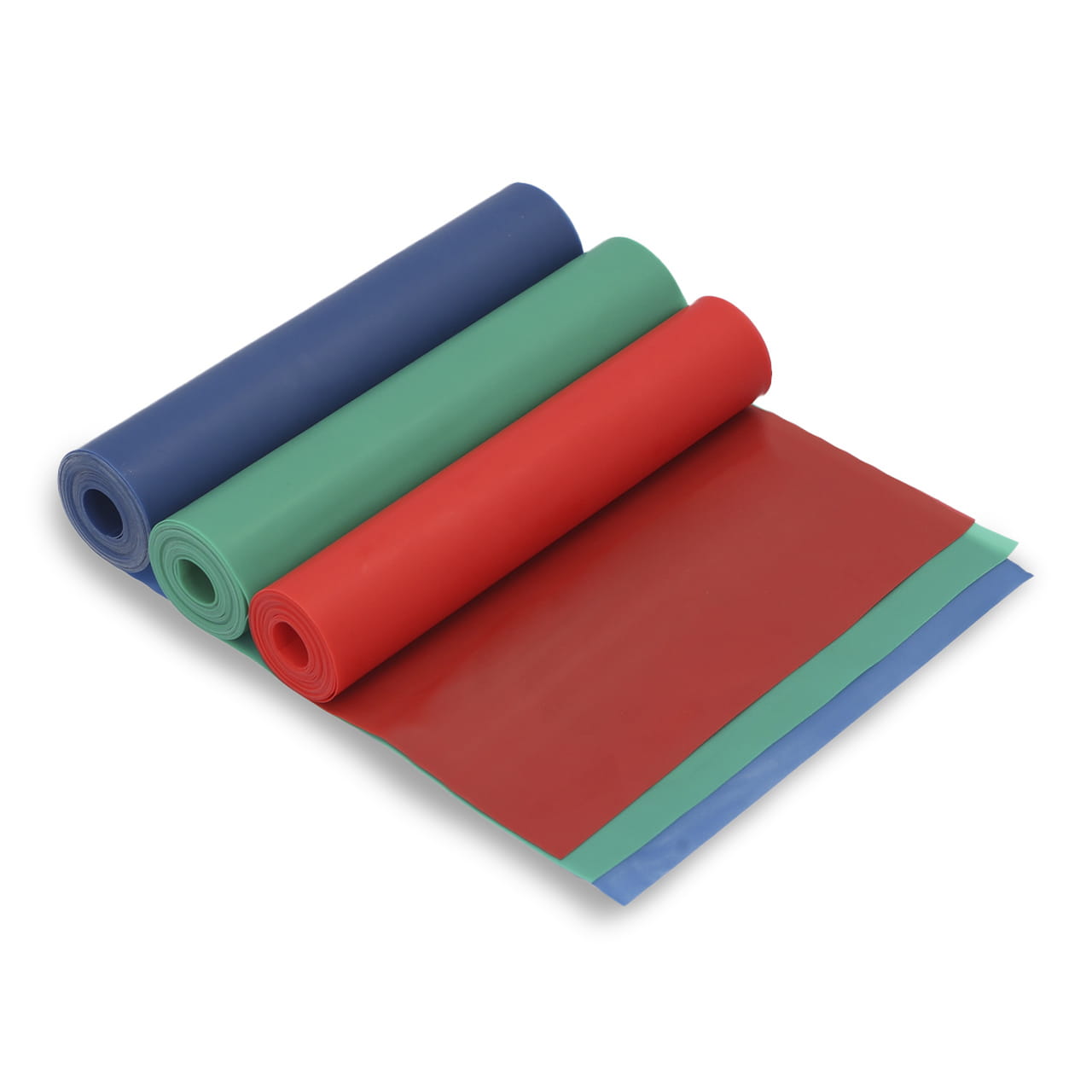
Rehaboteketista löydät laajan valikoiman harjoitusvälineitä, kuten harjoitusnauhoja, loop-nauhoja, pilates-/harjoituspalloja ja tasapainovälineitä – jotka on huolellisesti valittu laillistetun fysioterapeuttimme toimesta, jotta aloittaminen olisi helppoa ja turvallista.
Viisi yksinkertaista vinkkiä kestävän harjoittelutavan luomiseen
-
Yritä löytää liikuntamuoto, josta pidät. Se helpottaa motivaation löytämistä, kun harjoittelu tuntuu raskaalta.
-
Aikatauluta harjoittelu kuin tapaaminen itsesi kanssa.
-
Aloita rauhallisesti. Älä lisää harjoitusmäärää liian nopeasti, sillä silloin on riski saada ylikuormitusvamma, joka pakottaa sinut tauolle. Kuuntele kehoasi ja pidä mielelläsi harjoituspäiväkirjaa, jotta voit seurata viikoittaista harjoitusmäärääsi.
-
Älä odota innostusta. Harjoittelu ei aina tunnu houkuttelevalta, mutta tee se silti. Harjoittelun jatkuvuus on se, joka vaikuttaa eniten terveyteesi. Keskity siihen, miltä sinusta tuntuu harjoituksen jälkeen niinä päivinä, jolloin se tuntuu raskaalta.
-
Valmistele etukäteen – laita harjoitusvaatteet esille.
Yksi yleinen syy siihen, miksi harjoittelu ei toteudu, on ajanpuute tai vaikeudet päästä harjoitustilaan. Tällöin kotona suoritettava harjoitusohjelma voi olla ratkaisu. Fysioterapeuttimme on koonnut harjoitusohjelman, jota voidaan tehdä missä tahansa ja joka keskittyy suuriin lihasryhmiin. Yksinkertaisten harjoitusvälineiden avulla voit helposti säätää vastusta ja vaikeustasoa oman tason mukaan.
Kaikkia lihasryhmiä aktivoivia kahdeksan harjoitusta
1. Työntö harjoitusnauhalla harjoitusnauhoilla
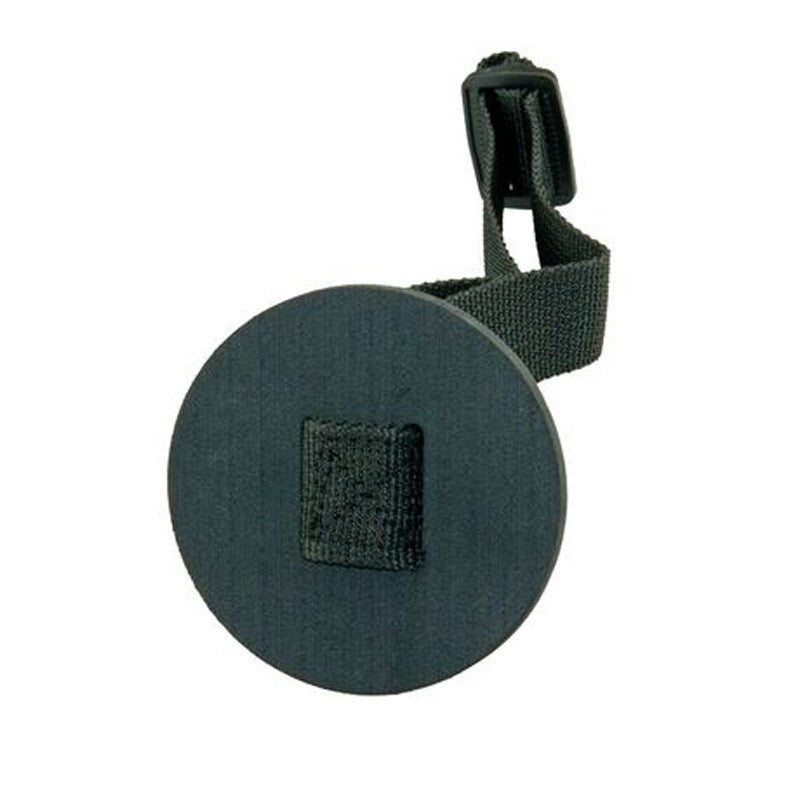
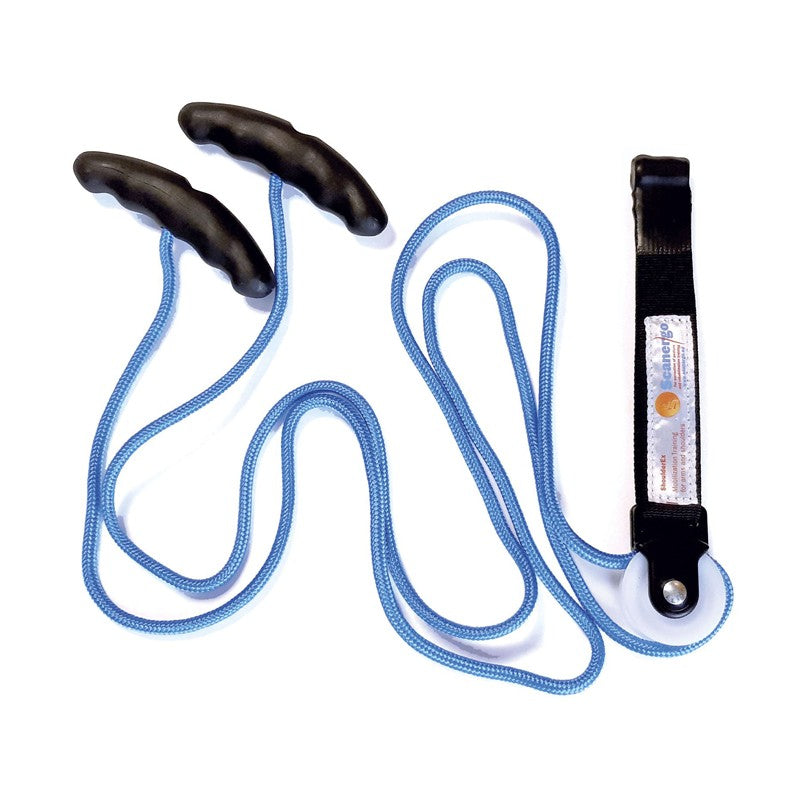
Kiinnitä harjoitusnauha rintakorkeudelle tai korkeammalle. Meidän harjoitusnauhan kiinnike mahdollistaa nauhan kiinnittämisen oveen yläpuolen ja oven väliin. Varmista, että nauhan päät ovat suunnilleen yhtä pitkät. Seiso selkä suorana, kasvot oveen päin ja kädet suorina edessäsi lähtöasennossa. Ota kiinni nauhan päistä tai kahvoista. Vedä käsiä alas/taakse samalla kun koukistat polvia ja kallistat ylävartaloa eteenpäin. Muista aktivoida keskivartalo. Palaa lähtöasentoon ja toista.
Kesto: 1 minuutti
Setit: 3
2. Vuorikiipeilijät
Laskeudu nelinkontin, kuin tekisit punnerruksen, niin että vain kädet ja varpaat ovat lattialla. Jalkojen tulee olla lantion levyisessä asennossa ja kädet olkapäiden alla. Pidä keho suorana ja jännitä vatsaa ja käsiä. Vie toinen polvi rintakehää kohti, kun toinen jalka pysyy suorana. Miten laskeudut, ei ole ratkaisevaa, kunhan pääset mahdollisimman pitkälle eteen. Vaihda sitten jalkaa räjähtävällä hypyllä. Mitä nopeammin työskentelet, sitä enemmän kestävyyttä harjoitat.
Toistot: 10–15
Setit: 2–4
3. Kyykyt loop-nauhalla
Kiinnitä loop-nauha tai harjoitusnauha jalkojen ympärille juuri polvien ylle. Seiso lantion levyisessä asennossa. Koukkista polvia niin paljon kuin pystyt ja palaa sitten lähtöasentoon suorilla jaloilla. Toista. Varmista, että polvet osoittavat samaan suuntaan kuin varpaat ja yritä pitää selkä suorana kyykistyessäsi.
Toistot: 8–12
Setit: 1–3
4. Soutaminen harjoitusnauhalla
Harjoitus voidaan suorittaa istuen tai seisten. Kiinnitä nauha esimerkiksi suljetun oven kahvaan tai tee harjoitus istuen suorat jalat lattialla ja kiinnitä nauha jalkapohjien ympäri. Vedä lapaluut yhteen ja vedä nauhaa kohti itseäsi, kunnes kädet ovat vatsan tasolla. Palaa hitaasti lähtöasentoon ja toista.
Toistot: 8–12
Setit: 1–3
5. Lantionnosto loop-nauhalla polvien ympärillä
Makuuta selälläsi jalat lattialla. Kiinnitä loop-nauha jalkojen ympärille juuri polvien ylle. Jännitä vatsaa ja pakaralihaksia ja nosta lantio ylös, kunnes lantio on suorana. Pidä asento 1-2 sekuntia ja laskeudu hitaasti alas. Toista. Varmista, että pidät loop-nauhan kireänä harjoituksen aikana.
Toistot: 8–12
Setit: 1–3
6. Selkänostot pilatespallolla
Makuuta vatsallasi pilatespallon päällä. Löydä tasapaino. Jos tasapainon löytäminen on vaikeaa, voit laittaa pilatespallon seinän lähelle. Pidä leuka kevyesti rintaa kohti ja nosta ylävartalo vaakasuoraan asentoon ilman, että tasapaino häiriintyy. Laske ylävartalo hitaasti alas ja toista. Kädet voivat olla ristissä rinnan päällä tai pidä käsiä pään sivuilla harjoituksen aikana.
Toistot: 8–12
Setit: 1–3
7. Vatsarutistukset pilatespallolla
Asetu niin, että alaselkäsi on pallon keskellä ja jalat ovat lattialla. Polvien tulee olla koukistettuna 90 asteen kulmassa. Löydä tasapaino. Imu navasta kohti selkärankaa ja purista kylkiluita ja lantion alueelta samalla kun nouset ylös ylävartalolla. Palaa lähtöasentoon ja toista. Yritä pitää niskan neutraali asento.
Toistot: 8–12
Setit: 1–3
8. Tasapaino tasapainotyynyllä
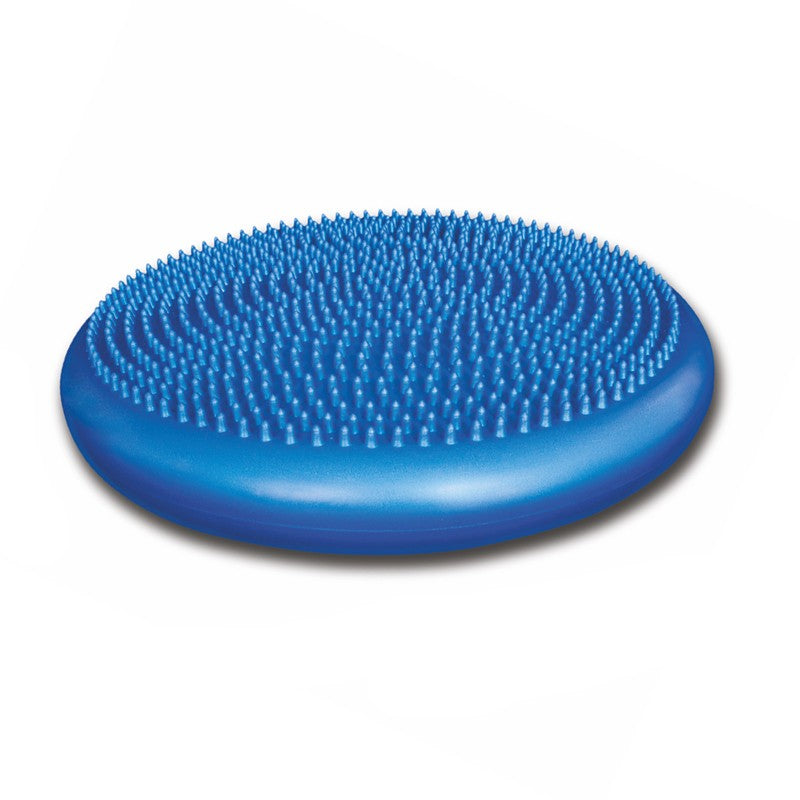
Seiso tasapainotyynyllä ja yritä pitää tasapaino. Seiso mielellään lähellä seinää tai kiinteää huonekalua, jotta voit tukeutua tarvittaessa. Lisää vaikeustasoa kääntämällä päätä/yli vartaloa sivulle tai sulkemalla silmät. Voit myös kokeilla seistä yhdellä jalalla tasapainotyynyllä.
Kesto: 30 sekuntia, voit tehdä useita sarjoja
Yhteenveto
Harjoittelun aloittaminen joulun ja uudenvuoden jälkeen ei tarkoita, että kaiken pitäisi olla alusta alkaen oikein – vaan että on tärkeää aloittaa. Pienet askeleet, yksinkertaiset harjoitukset ja oikeat välineet voivat tehdä suuren eron ajan myötä.
Riippumatta siitä, onko tavoitteesi tulla vahvemmaksi, liikkuvammaksi tai vain voida paremmin arjessa, kenkien pukeminen ja ensimmäisen askeleen ottaminen vie pitkälle. 💚
Onnea uudelle harjoittelutavallesi!