
Bestsellerit
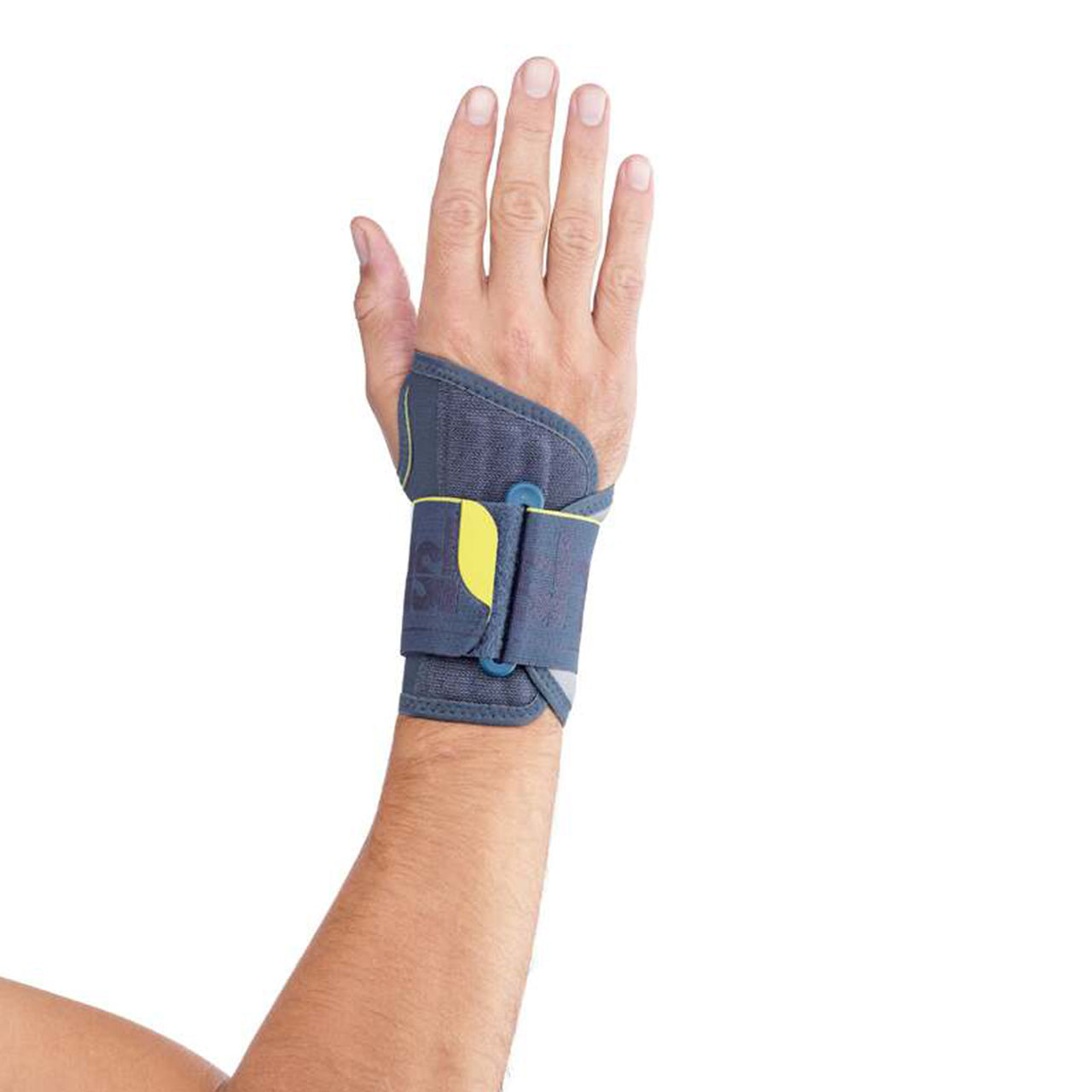
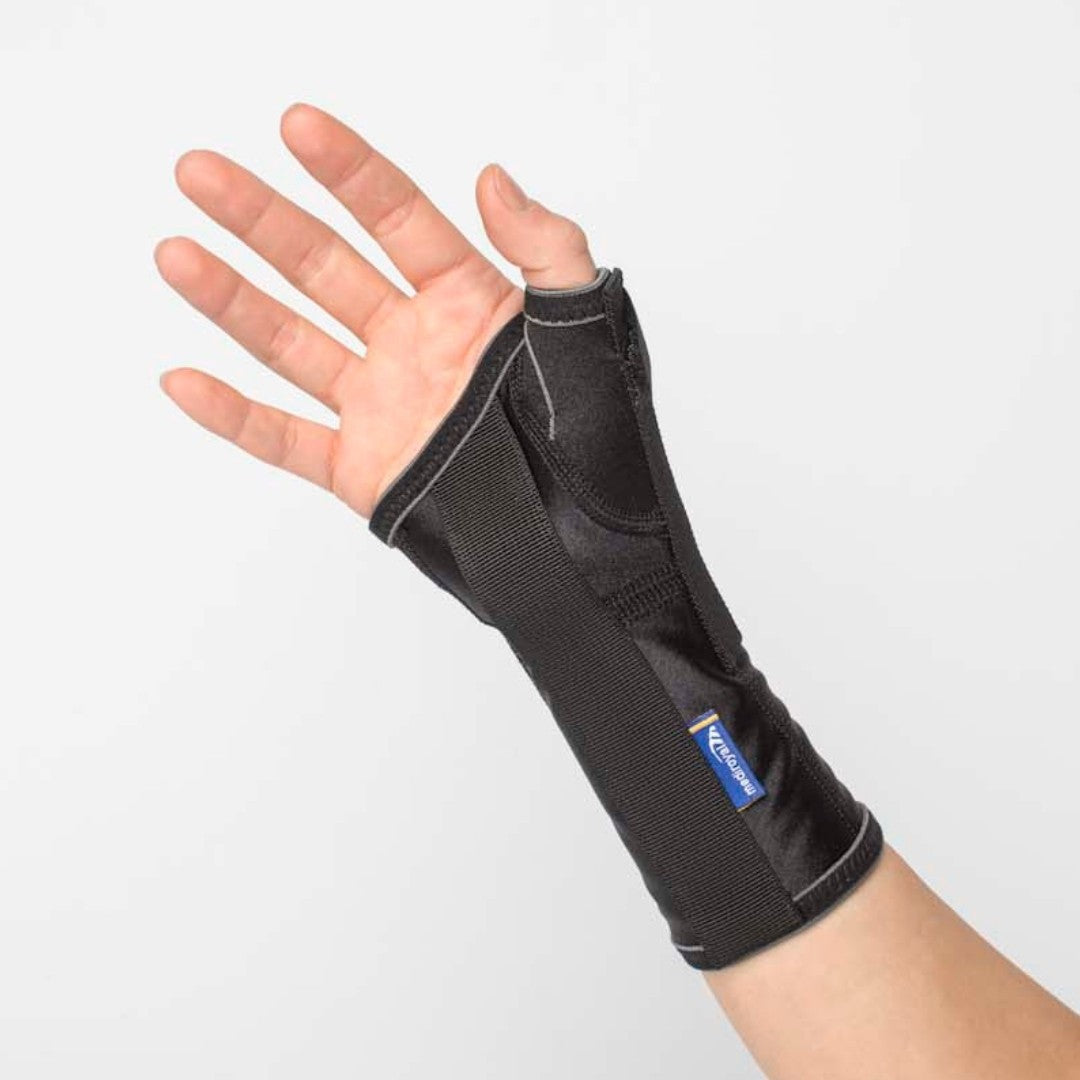
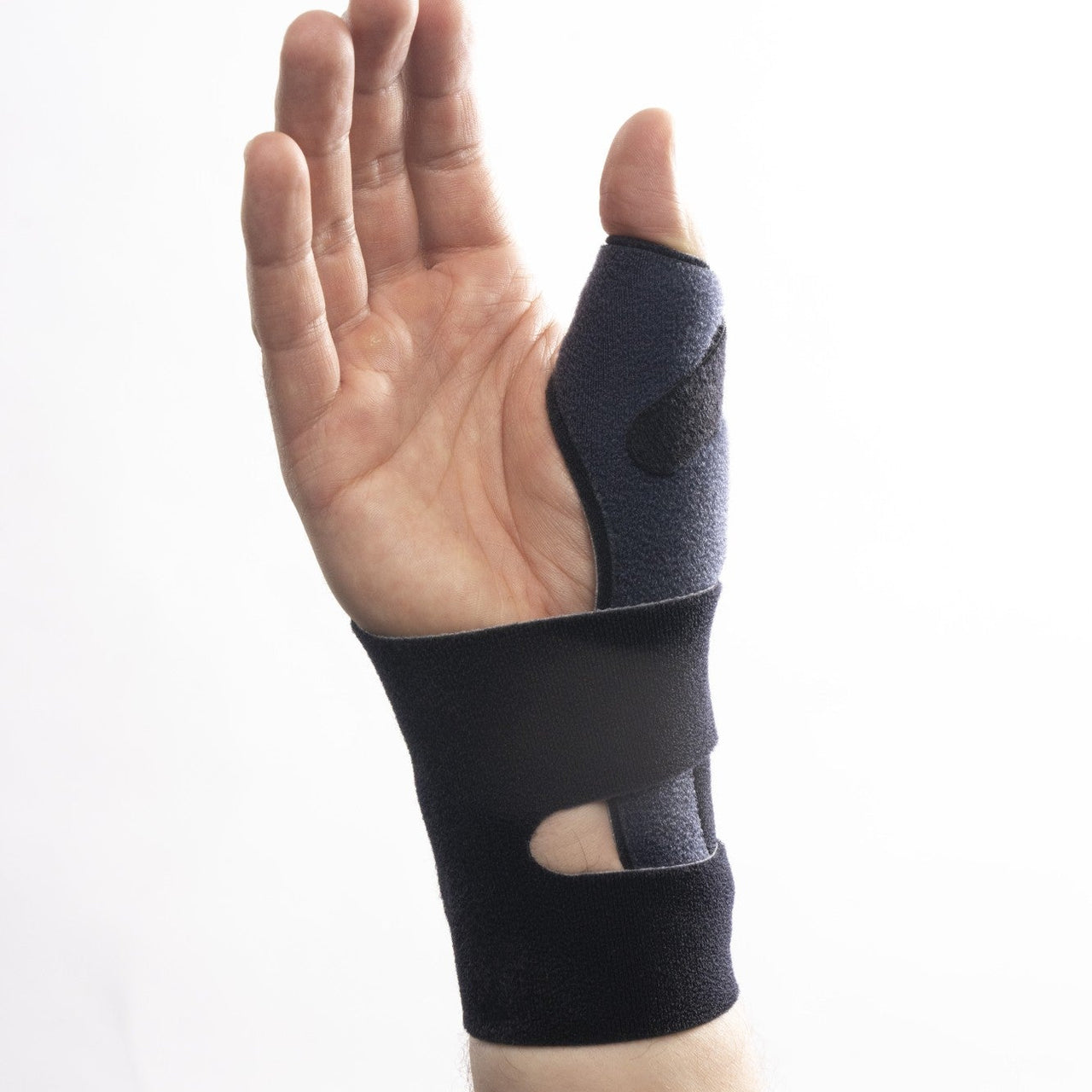
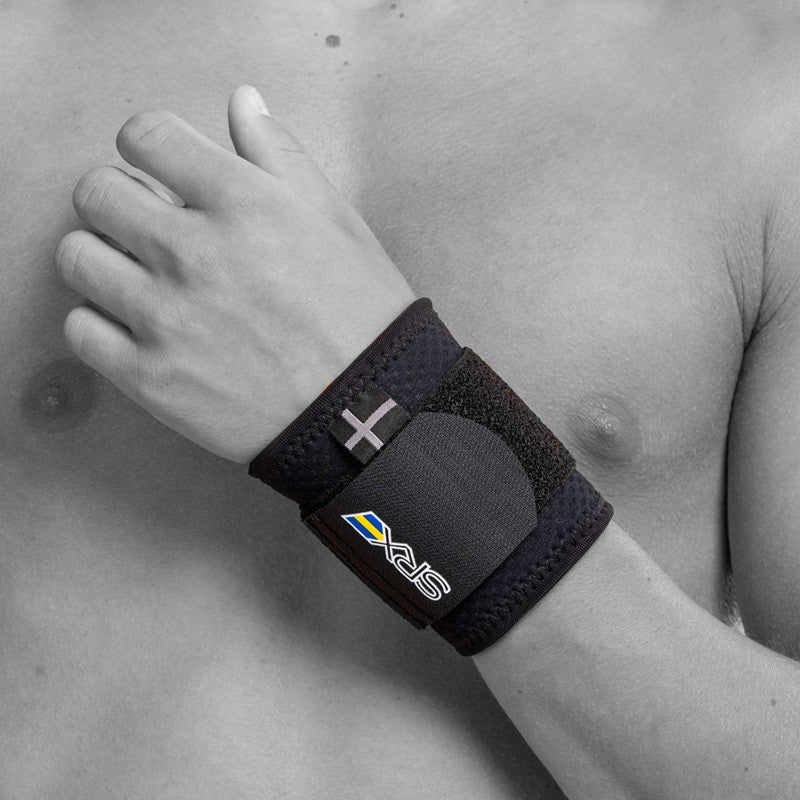

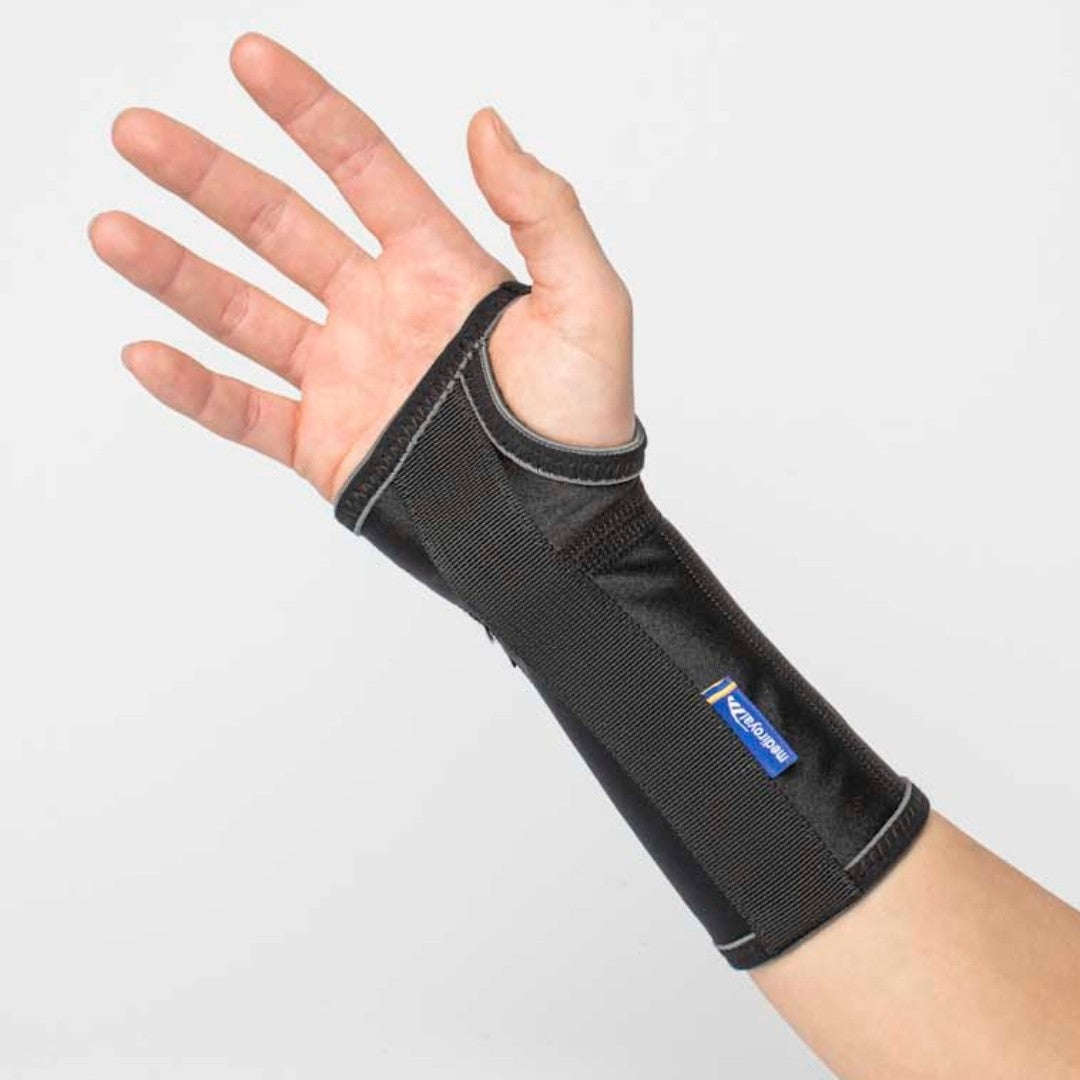

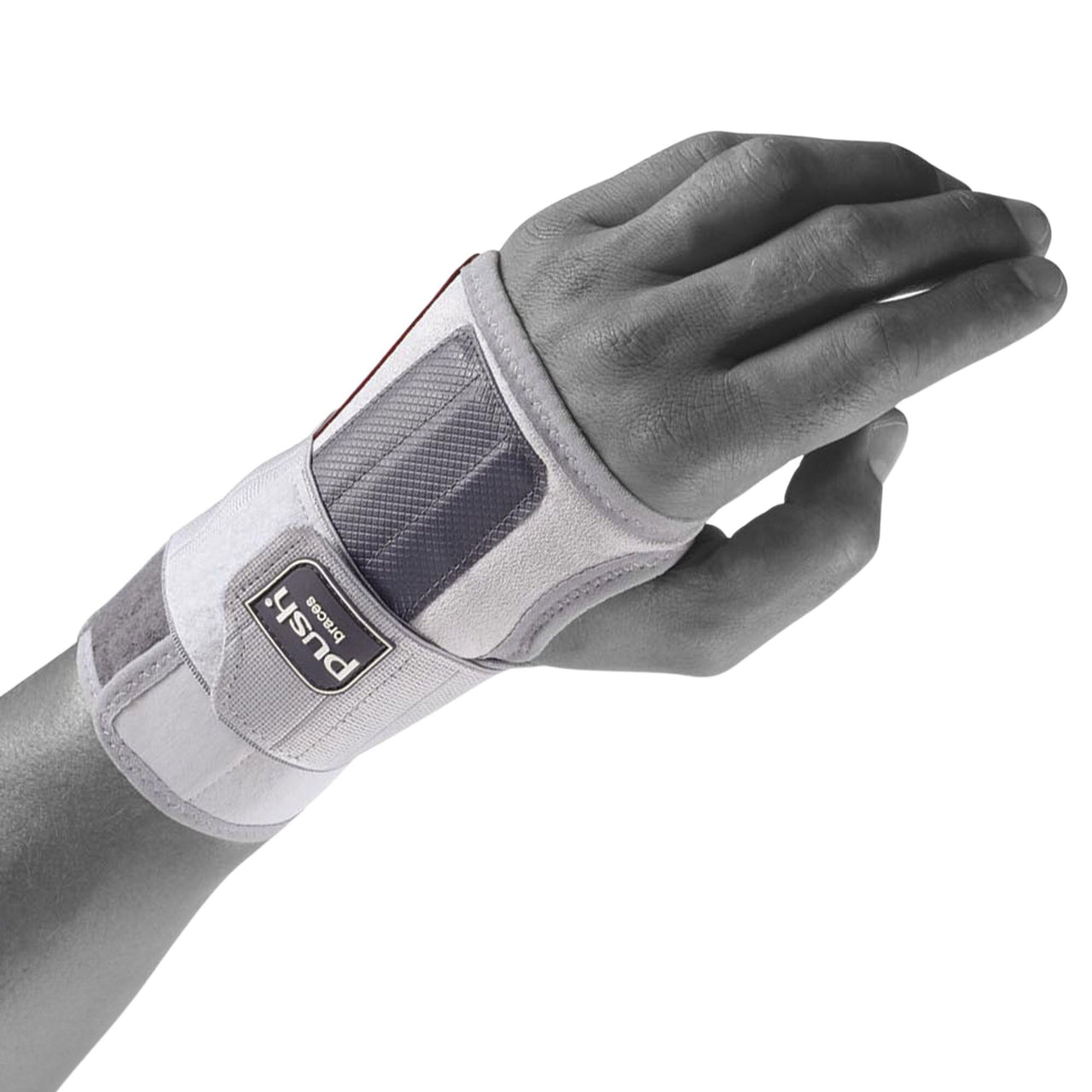
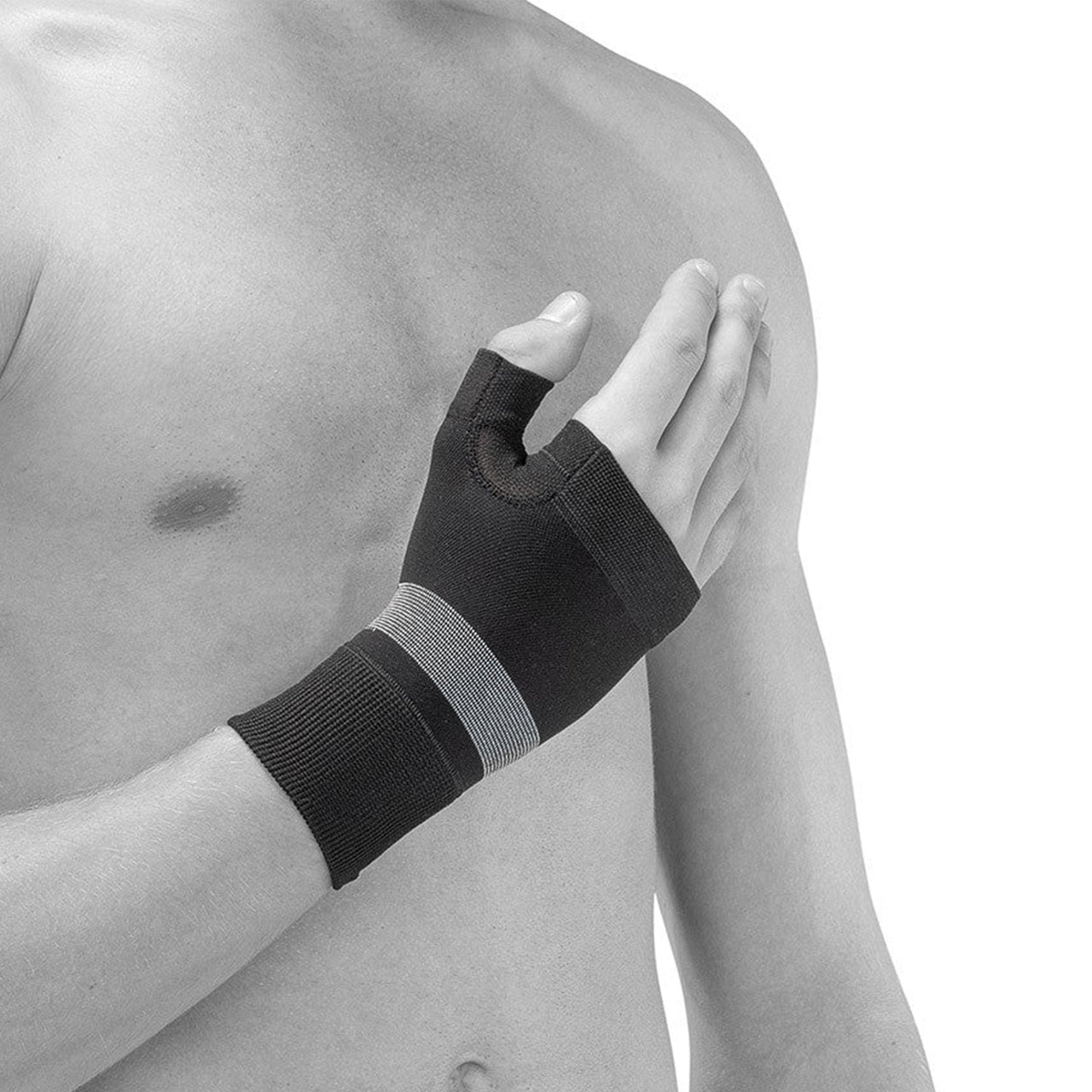
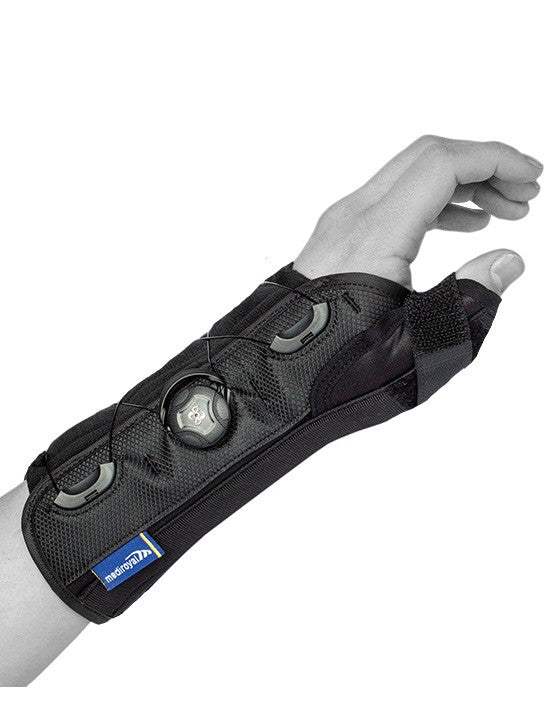
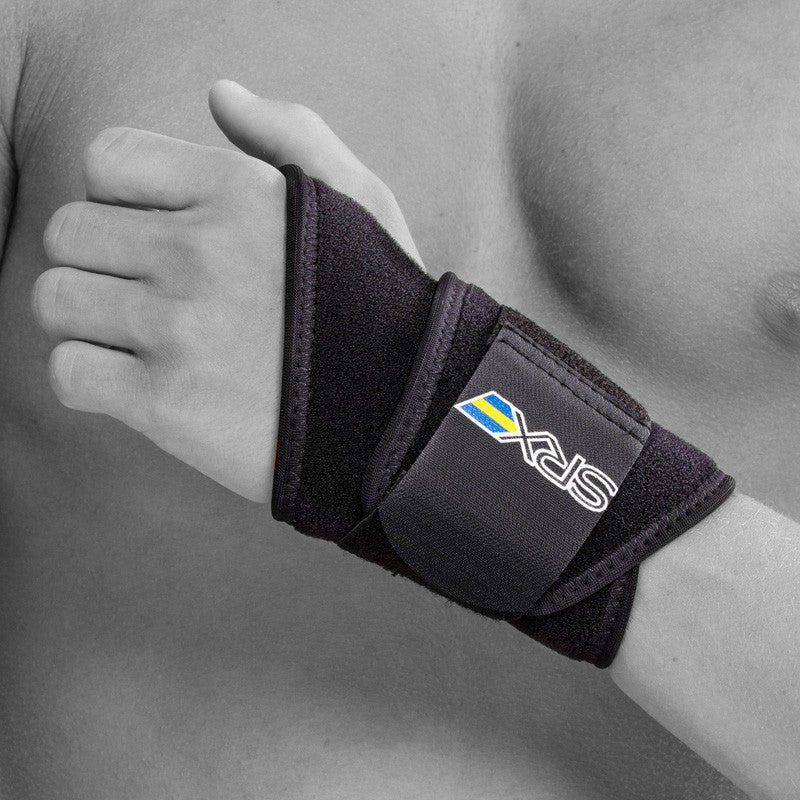
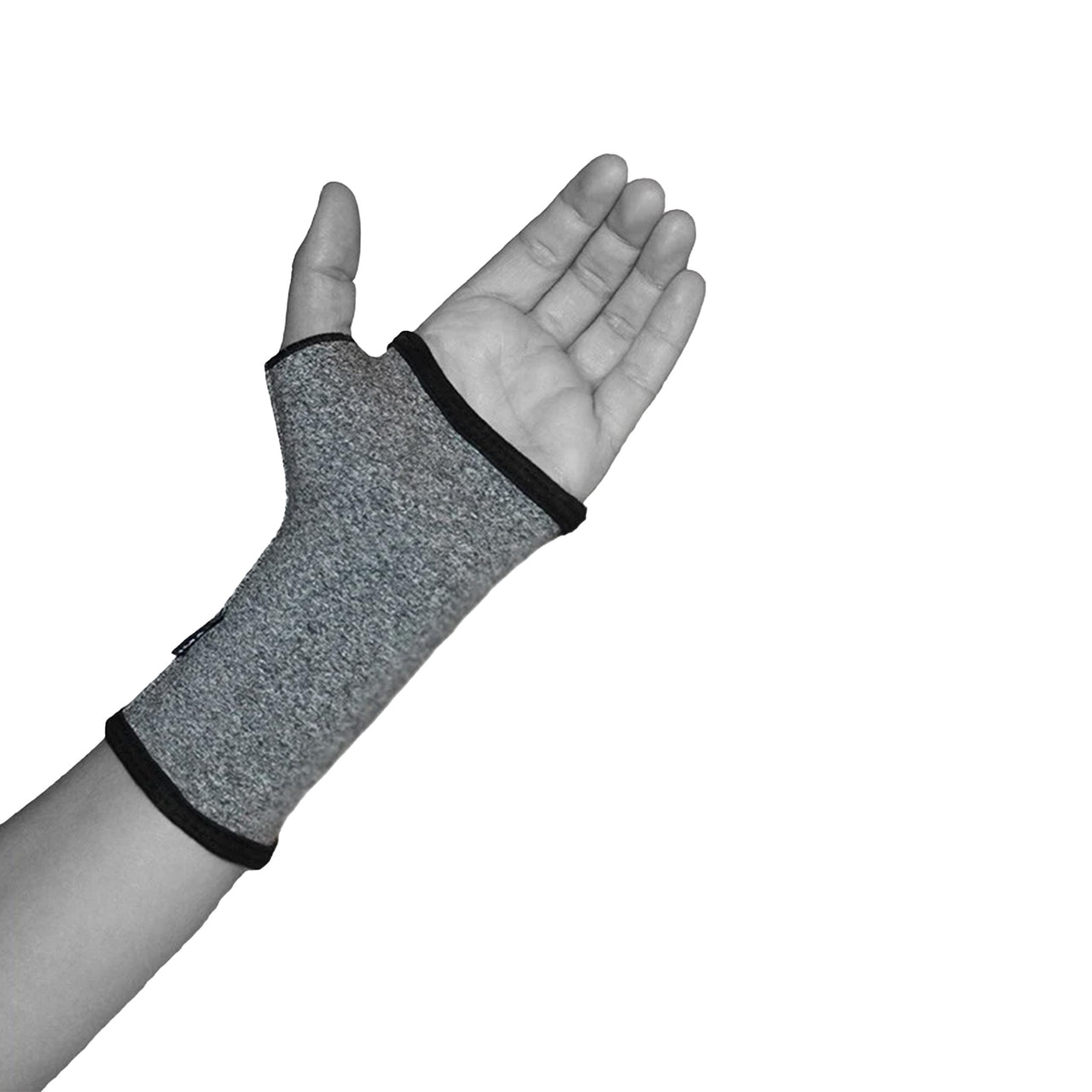
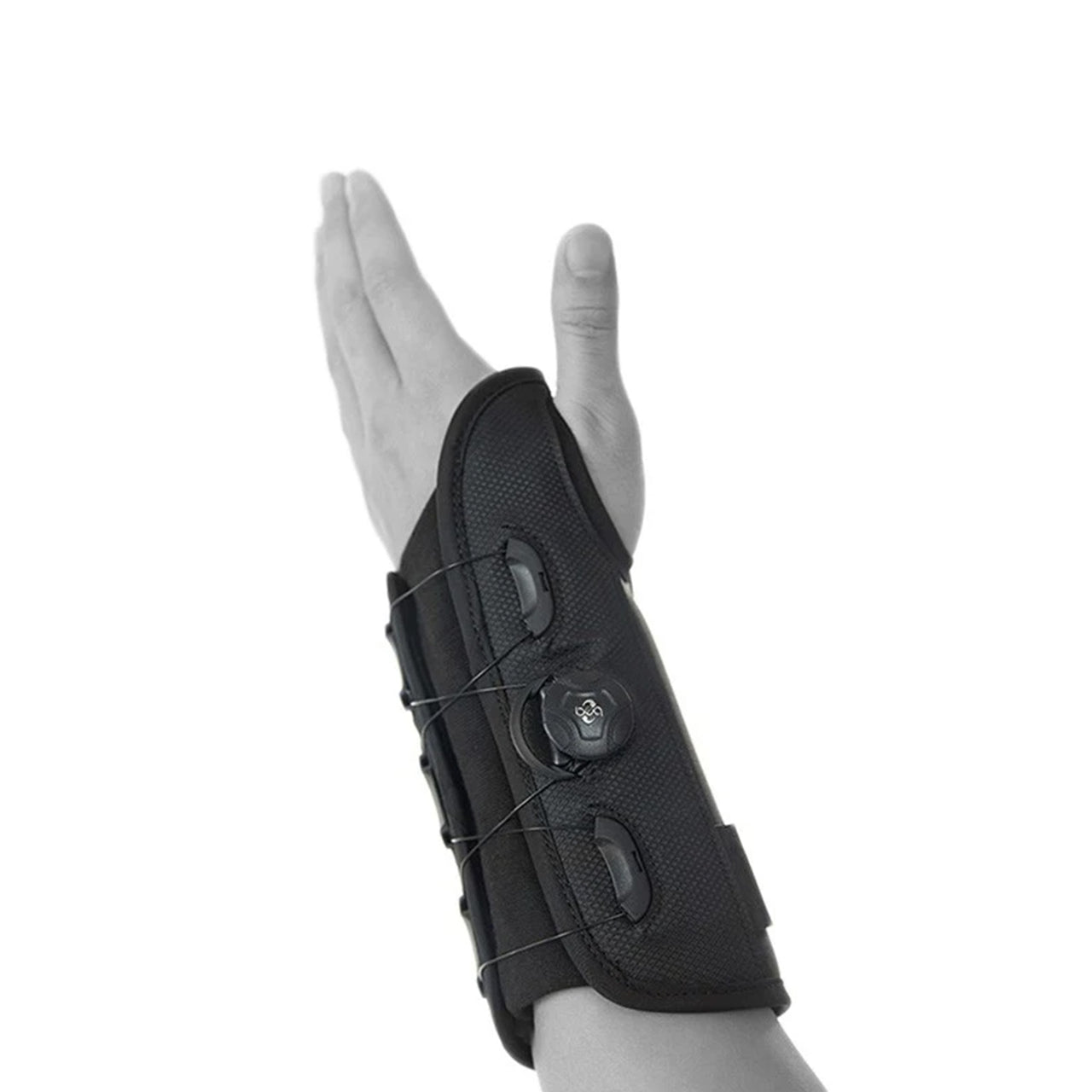
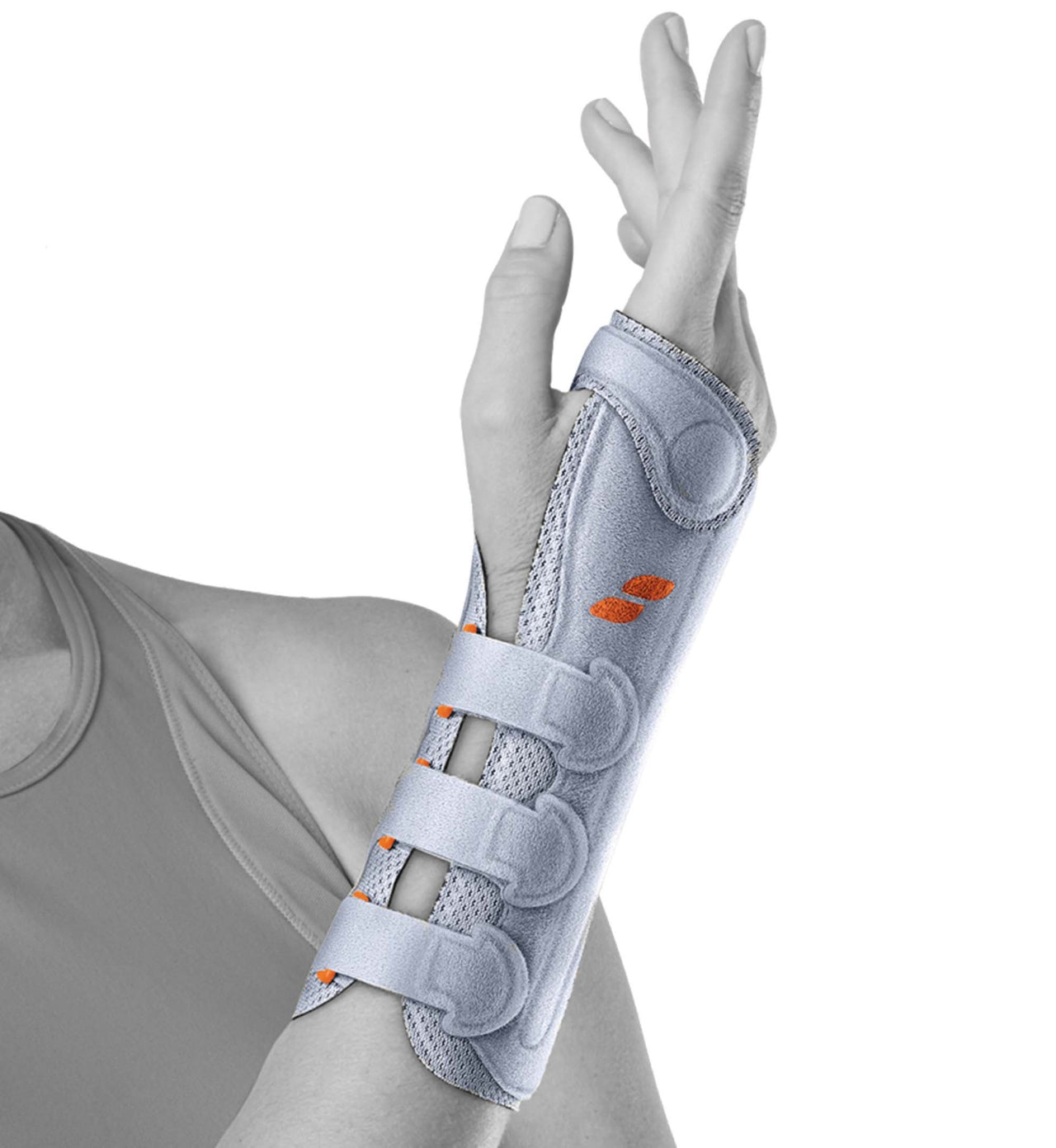
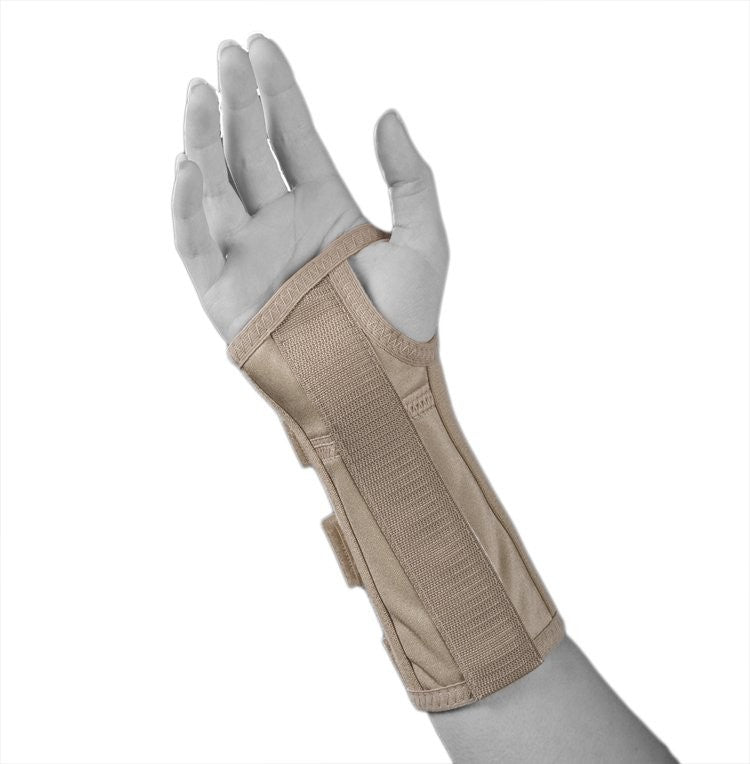
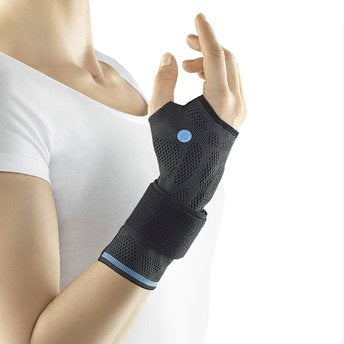
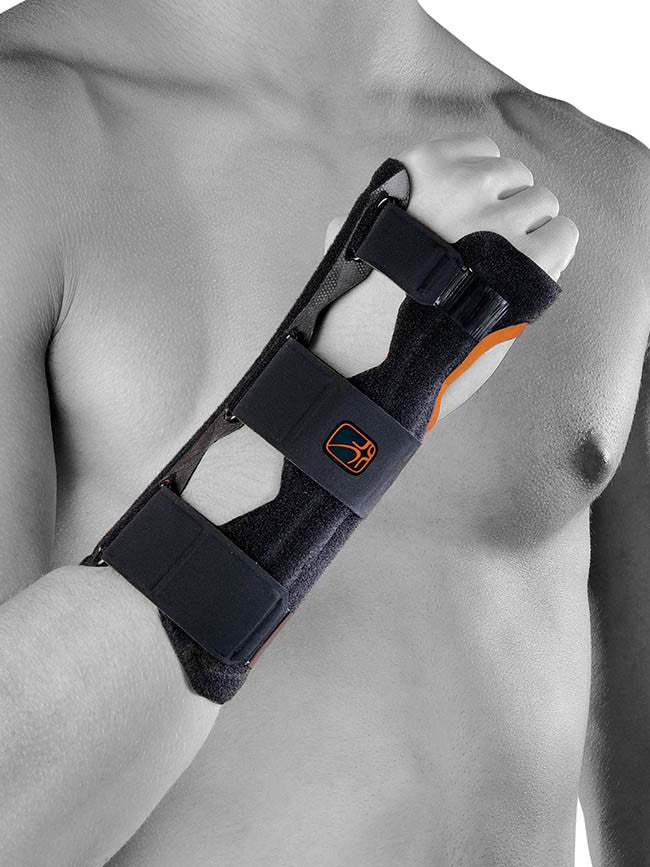
Rannetuet vähentävät painetta, vakauttavat ja auttavat sinua palaamaan liikkeeseen, kun ranne on kipeä. Rannetuet -kategoria sisältää malleja karpaalitunnelioireyhtymään, tulehdukseen, nyrjähdyksiin ja ylirasitukseen. Valikoima vaihtelee ohuista kompressiositeistä ortooseihin, joissa on tuki, joka pitää ranteen suorana. Urheilijat valitsevat usein vaihtoehtoja, jotka tarjoavat hallintaa rajoittamatta otetta, kun taas toimistotyöntekijät arvostavat yleensä matalaa profiilia ja hyvää hengittävyyttä. Jos vaiva koskee myös peukaloa, lisä peukalotuki on järkevä lisä. Mallista riippumatta tuen tulisi istua lähellä ihoa, tuntua mukavalta koko päivän ja tarjota oikea tasapaino liikkuvuuden ja vakauden välillä. Mittaa ympärysmitta ranteen ympäriltä ja seuraa koko-opasta varmistaaksesi turvallisen istuvuuden.
Usean vuoden kokemuksella kuntoutuksesta ja ortopedisista apuvälineistä tarjoamme kattavan ja huolellisesti koottu valikoiman rannetuet. Jokainen tuote on valittu keskittyen toimintaan, mukavuuteen ja käytettävyyteen, jotta se voi tarjota oikeaa tukea rajoittamatta tarpeettomasti käden normaalia toimintaa arjessa.
Aloita tilanteesta ja oireista. Karpaalitunnelioireyhtymässä malli, jossa on volaarituki, joka rajoittaa taivutusta ja vähentää painetta yöllä tai toistuvissa liikkeissä, toimii usein hyvin. Jännetulehduksessa ja lievässä ylirasituksessa elastinen kompressioside riittää yleensä vähentämään turvotusta ja lievittämään kipua työn ja harjoittelun aikana. Kuntosaleille ja pallopelille sopivat stabiloivat remmit, jotka hallitsevat liikettä rajoittamatta otetta. Nyrjähdyksen jälkeen tai kuntoutuksessa tukevampi ortoosi, jossa on säädettävät remmit, voi tarjota tilapäistä lisätukea. Kokeile tukea tavallisimmissa aktiviteeteissasi ja löysää sitä, jos se tuntuu kylmältä tai puutuneelta, jotta verenkierto ei häiriinny. Jos tarvitset myös tukea nilkalle, on olemassa nilkkatuet, jotka täydentävät raskaampaa kuormitusta.
Klassinen malli
Rannetuet, joissa on elastista materiaalia ja esimuotoiltu muovinen tuki, joka tarjoaa tukea ja rajoittaa äärimmäisiä asentoja. Tuki auttaa ranteen saavuttamaan neutraalimman asennon, ja kompressio auttaa vähentämään turvotusta.
Stabiili malli aktiviteetteihin
Mallit, joissa on kovempia tukia muovikomposiitista tai alumiinista, jotka tarjoavat lisää vakautta suuremmissa kuormituksissa, esimerkiksi harjoittelussa tai vaativammassa työssä.
Lisästabiili malli
Rannetuet, joissa on kaksoistukia ja usein lisäsäädettävä remmi. Nämä mallit tarjoavat maksimaalista vakautta ja niitä käytetään selvemmin vaivoissa tai kun tarpeet avustamiseen ovat suuret.
Elastinen malli
Ohut ja joustava rannetuki ilman tukea, joka tarjoaa kevyttä tukea ja korkeaa kompressiota. Sopii lievemmille vaivoille ja kun täysi liikkuvuus ja otteentuntuma ovat tärkeitä.
Avoin kämmenmalli
Rannetuet, joissa on tuki, mutta ilman tukea kämmenessä, mikä mahdollistaa normaalin otteen. Hyvä valinta esimerkiksi käsitöihin, tennikseen tai padeliin.