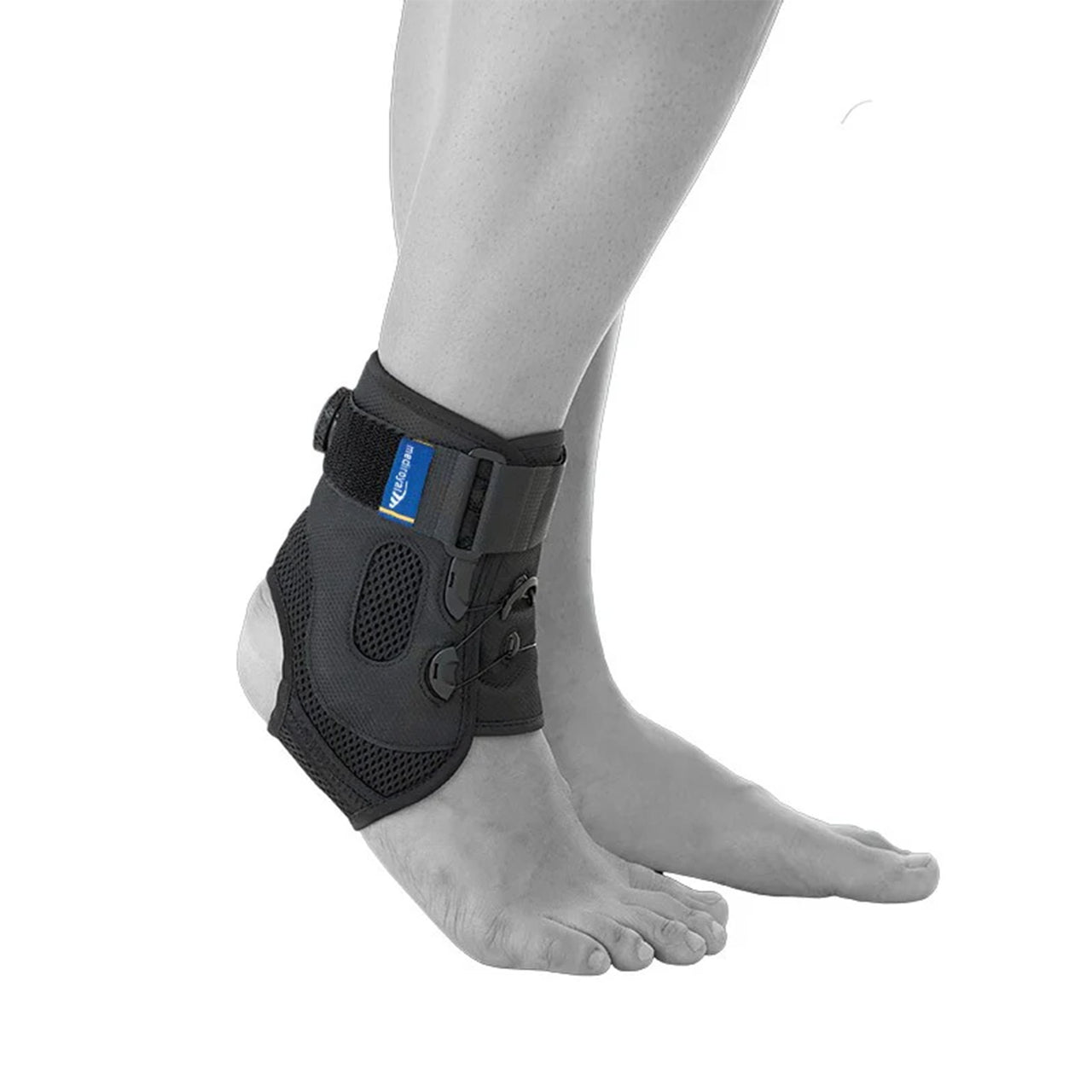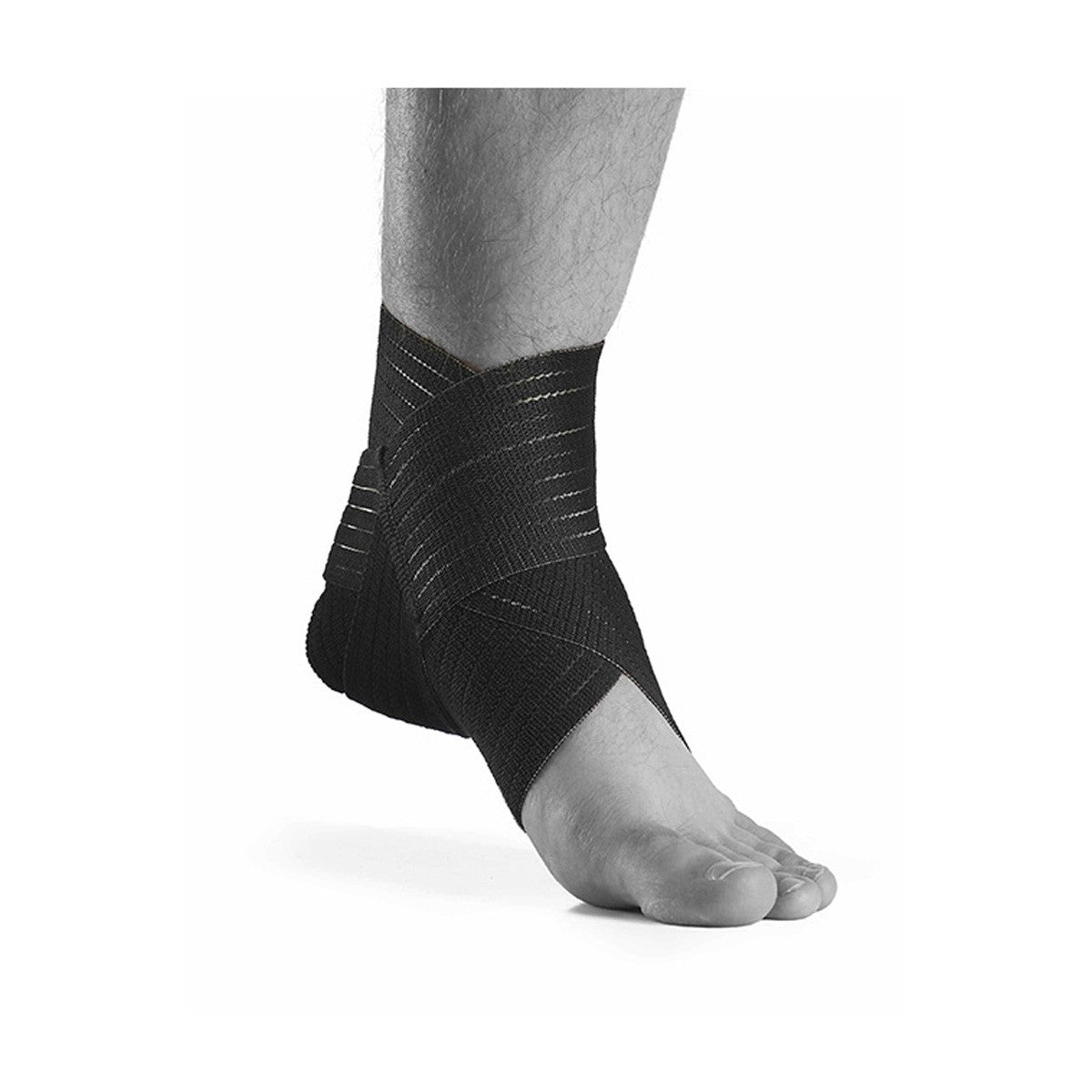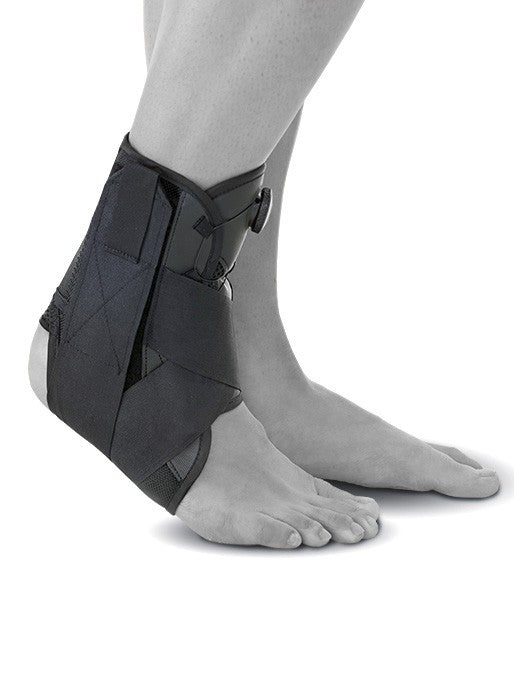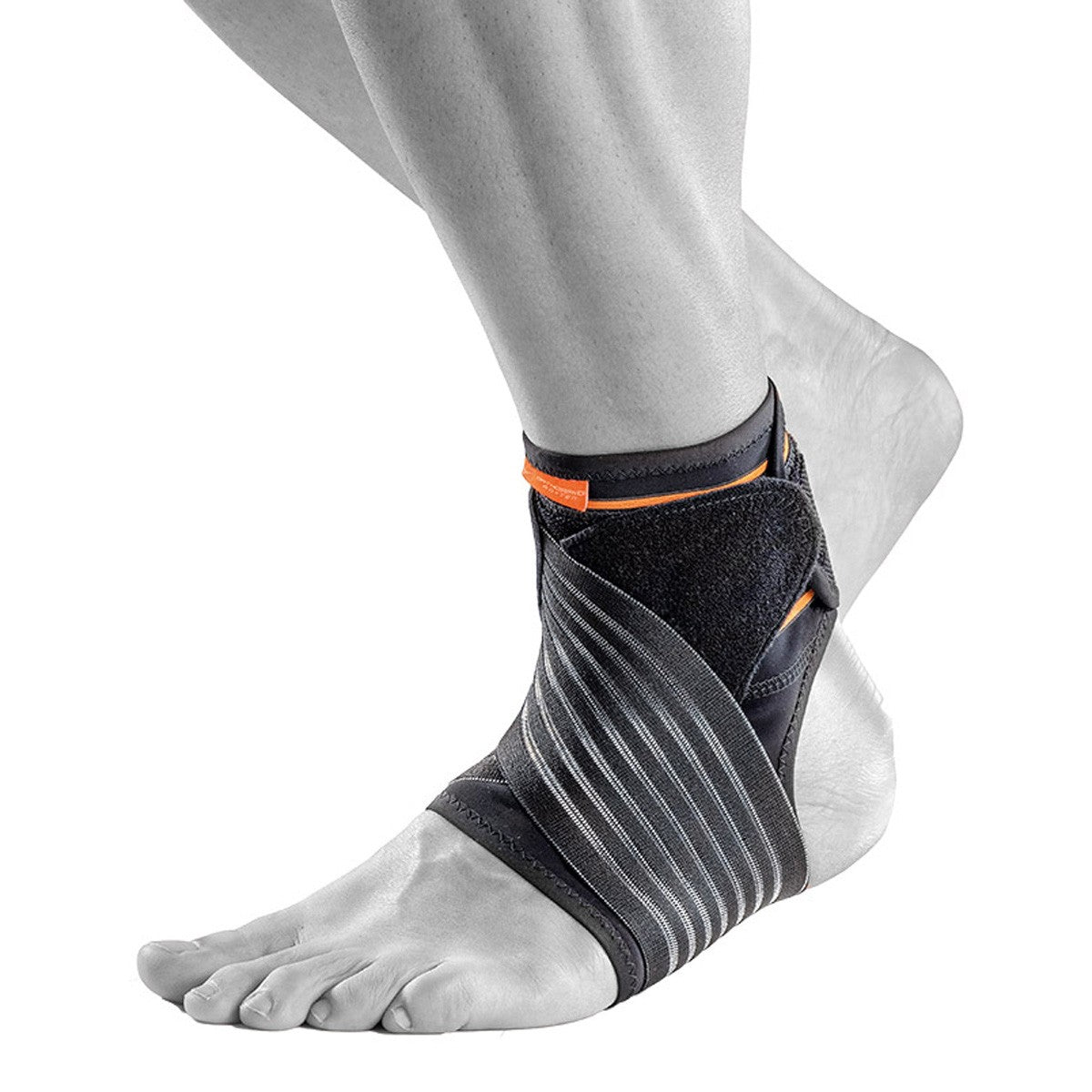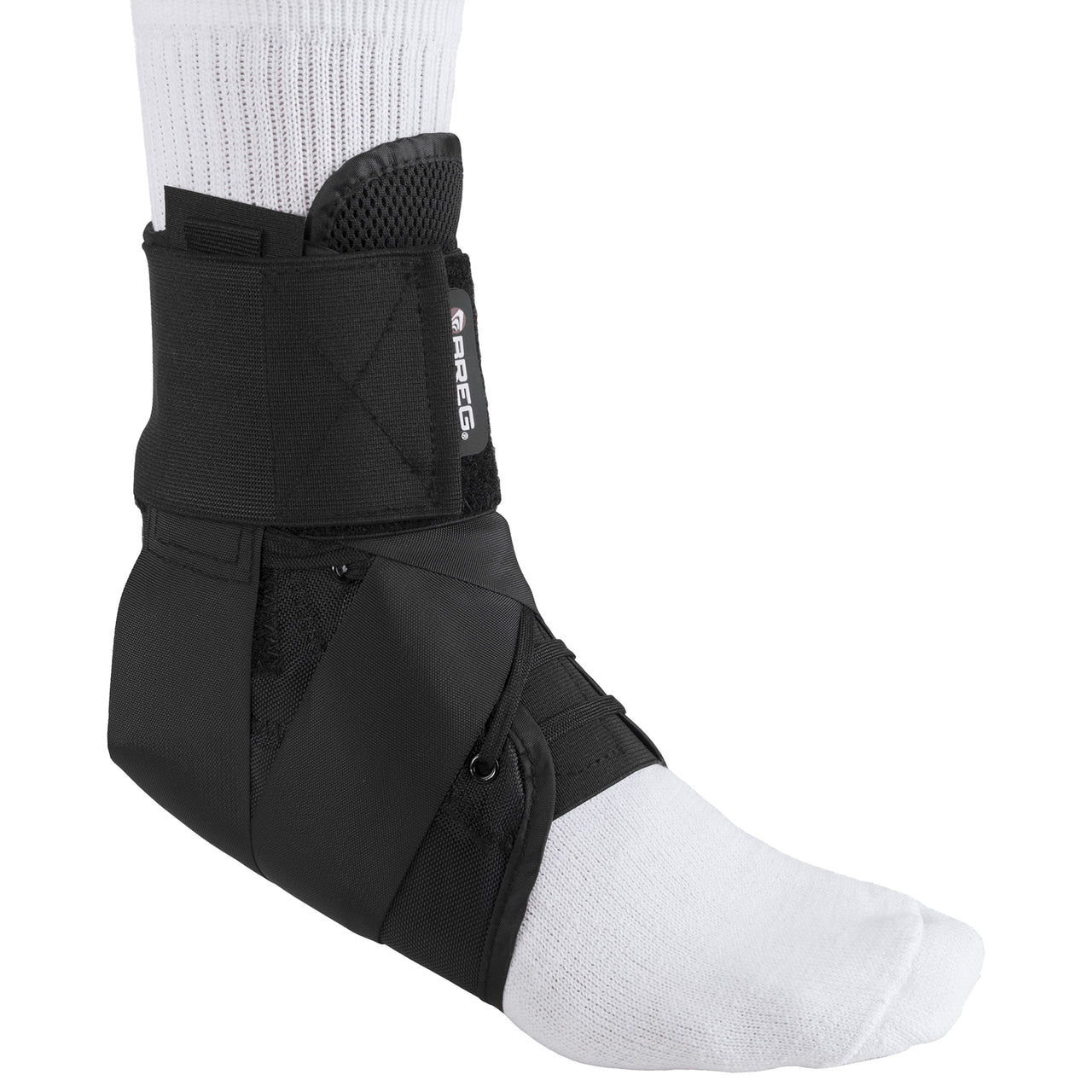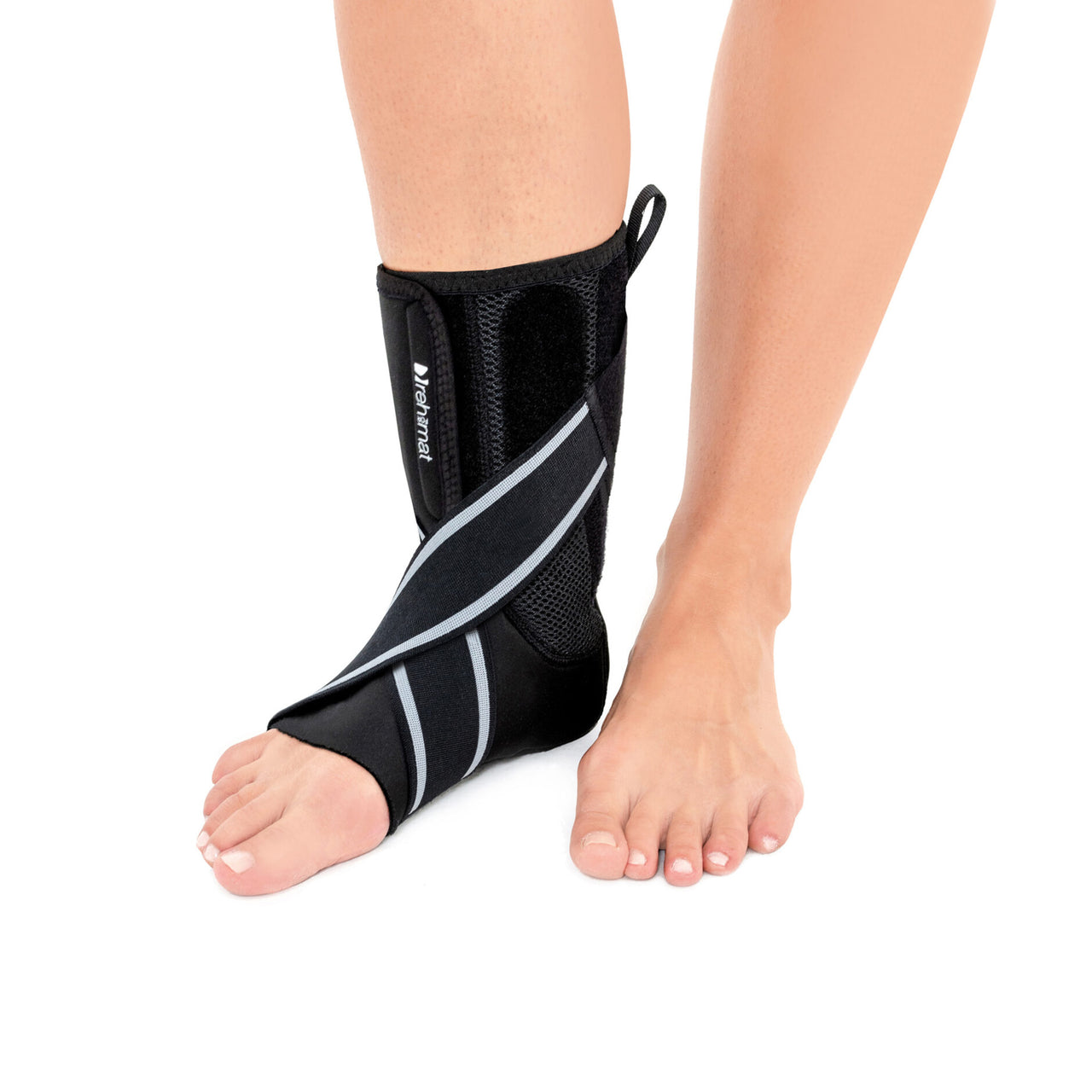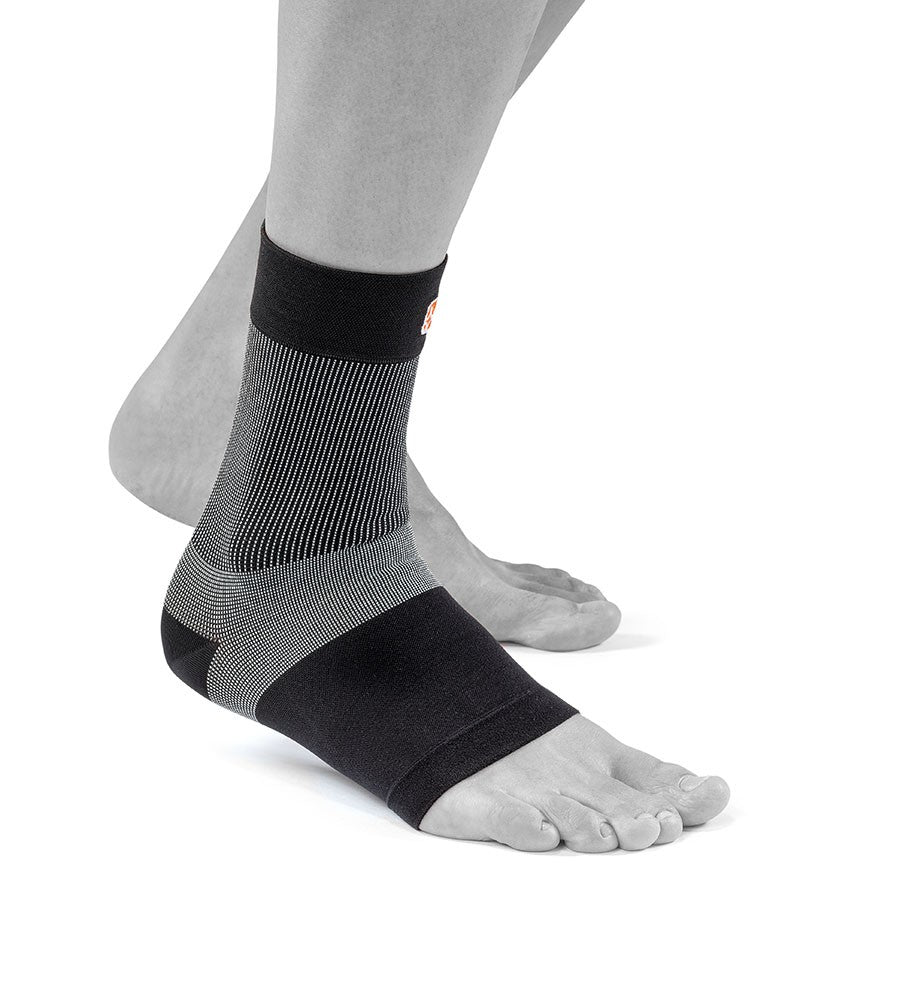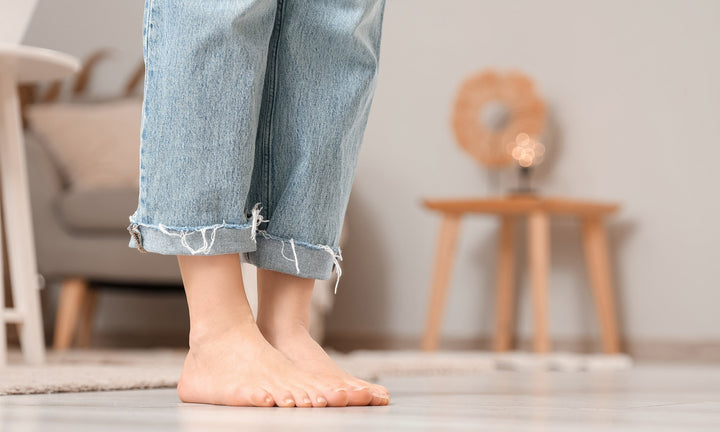

Nilkan epävakaus on yleinen ongelma toistuvien nyrjähdysten tai venähdysten jälkeen. Vamma johtaa usein epävakauden tunteeseen nilkkaa kuormitettaessa, erityisesti epätasaisilla pinnoilla. Oikean tuen avulla vakautta voidaan parantaa ja uusien vammojen riskiä vähentää.
Mitkä ovat epävakaan nilkan syyt?
Nilkan epävakaus syntyy, kun nivelsiteet menettävät täydellisen toimintakykynsä, yleensä toistuvien nyrjähdysten seurauksena. Ongelmat ovat huomattavimpia kävellessä tai toiminnoissa epätasaisilla pinnoilla, joissa jalka taipuu helposti. Joissakin tapauksissa tilannetta kutsutaan krooniseksi nilkan epävakaudeksi. Kengänvalinta vaikuttaa myös – korkokengät tai huonosti tukevat kengät tekevät epävakaudesta huomattavampaa.
Oireet
- Tunne, että jalka taipuu kuormituksen alla
- Epävakauden tunne epätasaisilla pinnoilla
- Kipu tai epämukavuus aktiviteetin aikana
- Toistuvat nyrjähdykset
Yleiset syyt ja riskitekijät
Yleisin nilkan epävakauden syy on aiempi nilkan nyrjähdys, tavallisimmin nilkan ulkosivulla. Puutteellinen kuntoutus vamman jälkeen lisää pitkäaikaisen nilkan epävakauden riskiä. Myös vääränlaiset kengät, suuri kuormitus ja epätasaiset alustat voivat pahentaa oireita.
Milloin sinun pitäisi hakeutua hoitoon?
Jos nyrjähtäät jalkaasi usein, tunnet jatkuvaa epävakautta tai jos ongelmat vaikuttavat päivittäiseen elämääsi ja aktiviteetteihisi, on viisasta ottaa yhteyttä terveydenhuoltoon. Erityisesti jos kuntoutus ja tuki eivät auta.
Suositellut suojat ja tuet
Epävakaassa nilkassa oikeat suojat ja tuet voivat edistää vakautta ja turvallisuutta arjessa ja aktiviteeteissa.
Katso kaikki suojat ja tuet, jotka voivat helpottaa epävakaassa nilkassa
Liittyvät vammat
Jalkaterän ja kantapään vammaoppaastamme voit lukea lisää yleisistä jalkaterän vammoista ja vaivoista. Voit myös siirtyä Loukkaantumisoppaan pääsivulle lukeaksesi muista vammoista ja oireista.