
Kantapään kipu on yksi yleisimmistä jalkavaivoista, ja se voi vaikuttaa sekä aktiivisiin ihmisiin että niihin, jotka seisovat ja kävelevät paljon päivittäisessä elämässään. Kantapää altistuu suurelle rasitukselle jokaisella askeleella, ja ylikuormituksen tai virheellisen kuormituksen seurauksena voi kehittyä erilaisia kantapään kipuja.
Mitkä ovat kantapään kivun syyt?
Kantapään kipu voi johtua useista syistä, joista yleisimmät ovat kulunut kantapään tyyny, kantaluu ja plantaarifaskiitti. Näille vaivoille on yhteistä, että kantapäähän sattuu kuormituksen aikana, esimerkiksi kävellessä tai seistessä. Tuotteet, jotka tarjoavat helpotusta, tukea tai korjausta, voivat usein auttaa saavuttamaan kivuttomamman arjen.
Oireet
- Kipu kuormituksessa, erityisesti kantapään asettamisessa maahan
- Arkuus kantapään alla tai ympärillä
- Jäykkyys, usein aamulla tai levon jälkeen
- Vaivojen paheneminen pitkäkestoisessa aktiviteetissa tai kovilla pinnoilla
Yleiset syyt & riskitekijät
Ylikuormitus on yksi yleisimmistä syistä kantapään kipuun ja voi johtua työskentelystä kovilla lattioilla, epäsopivista kengistä tai intensiivisistä harjoittelujaksoista ilman riittävää lepoa. On myös tarkempia syitä. Kulunut kantapään tyyny tarkoittaa, että rasvapatja kantapään alla menettää iskunvaimennuskykynsä, mikä tekee kuormituksen tuntemisesta selvempää. Kantaluu on luun kasvain kantapäästä, joka voi aiheuttaa voimakasta kipua kuormituksessa. Myös plantaarifaskiitti, jänteen kiinnityksen tulehdus jalan alla, on yleinen syy pitkäaikaisiin kantapään kipuihin.
Milloin sinun tulisi hakeutua hoitoon?
Jos sinulla on jatkuvaa tai pahenevaa kantapään kipua, joka ei parane kuormituksen tai kenkien vaihtamisen myötä, sinun tulisi ottaa yhteyttä terveydenhuoltoon. Sama pätee, jos koet voimakasta kipua tai epäilet vakavampaa vammaa jalassa.
Suositellut suojat & tuet
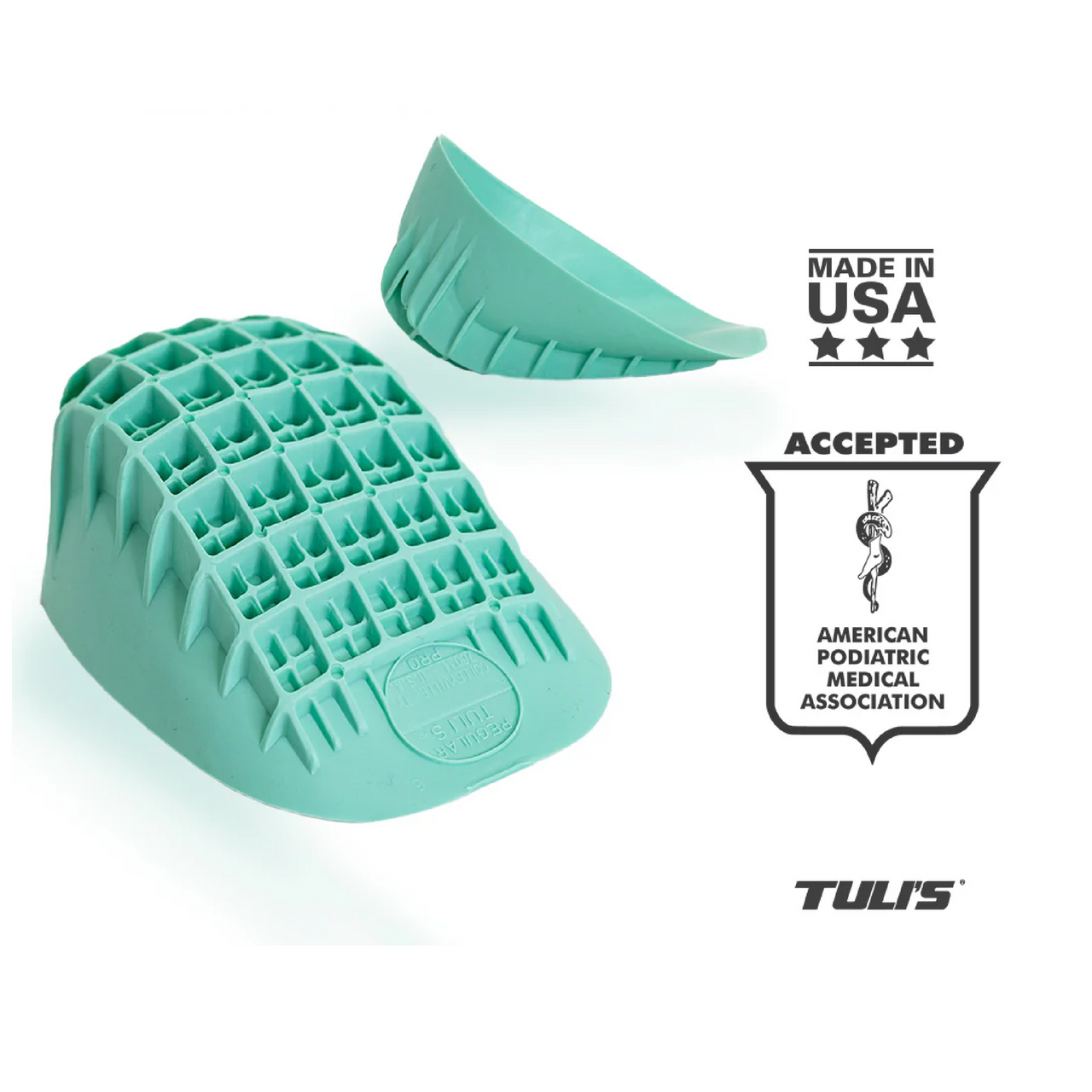
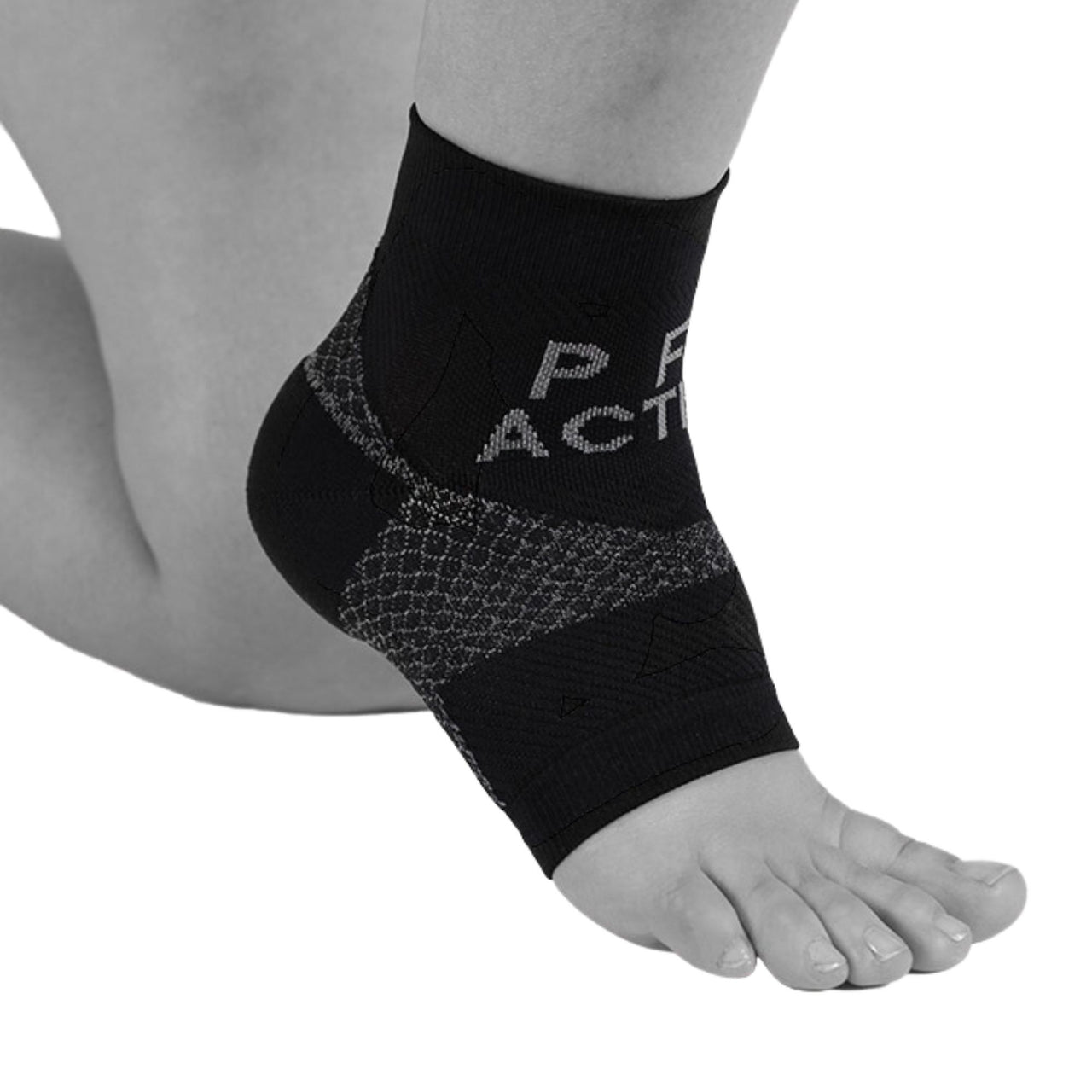
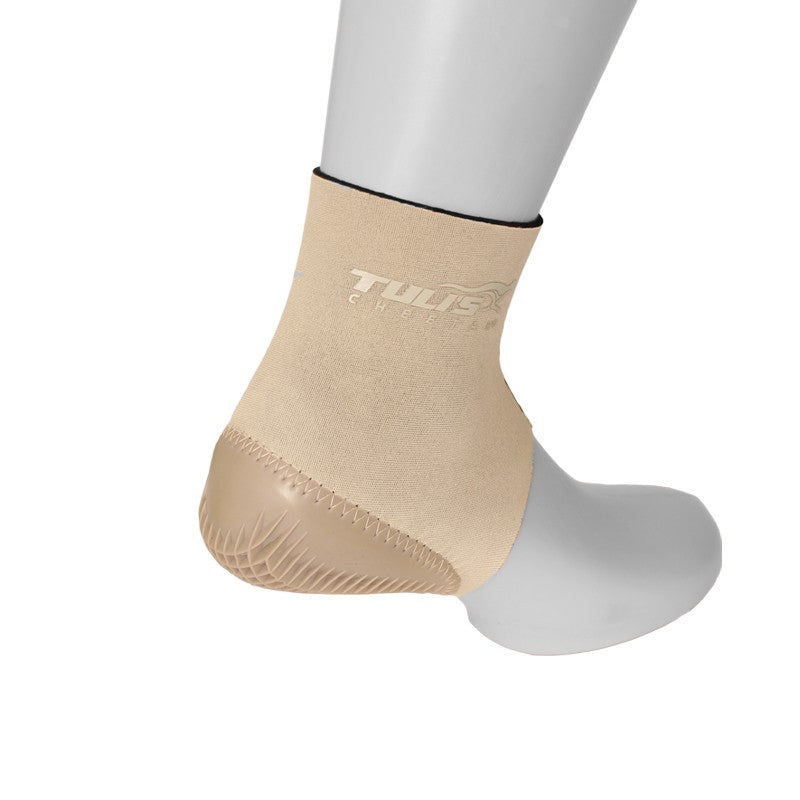
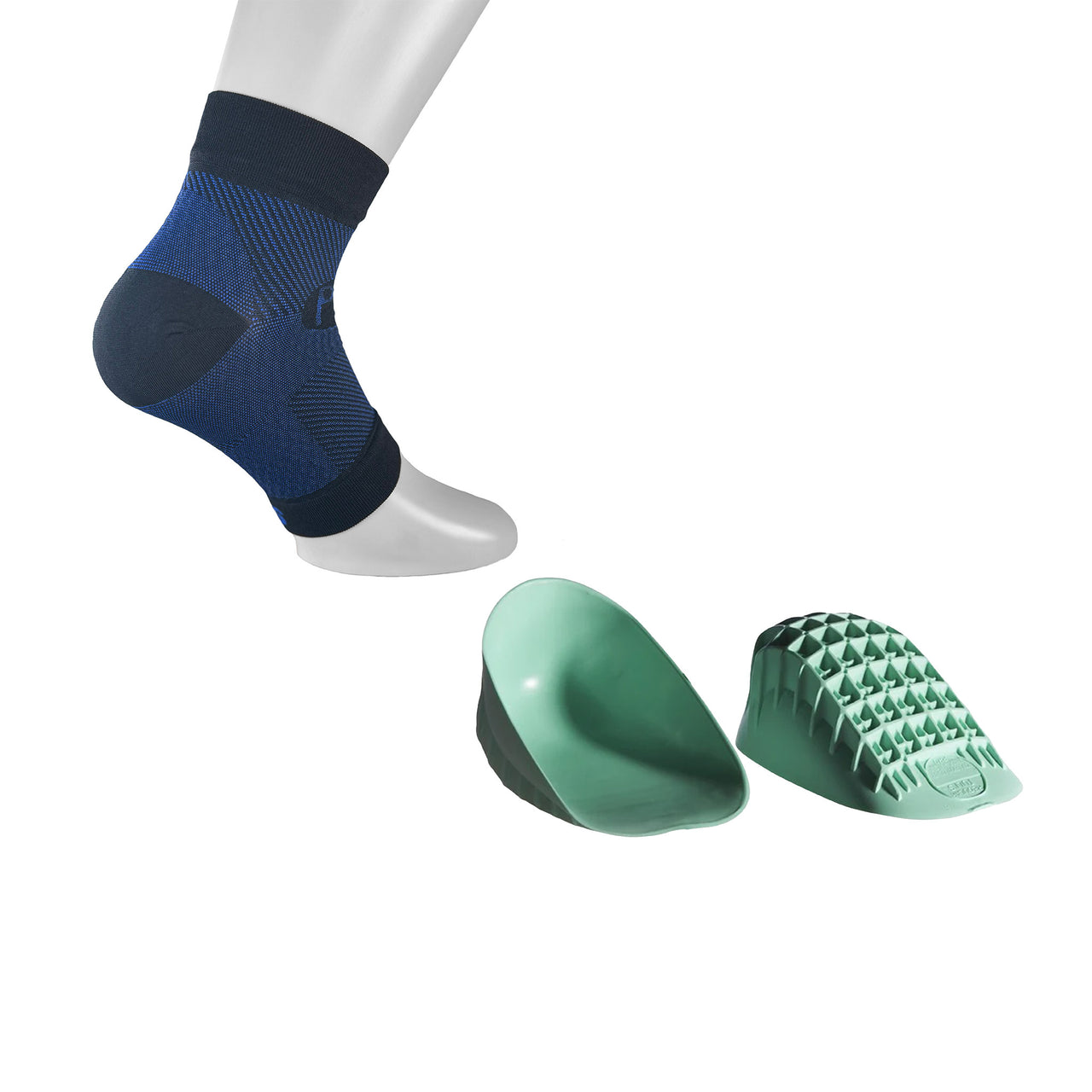
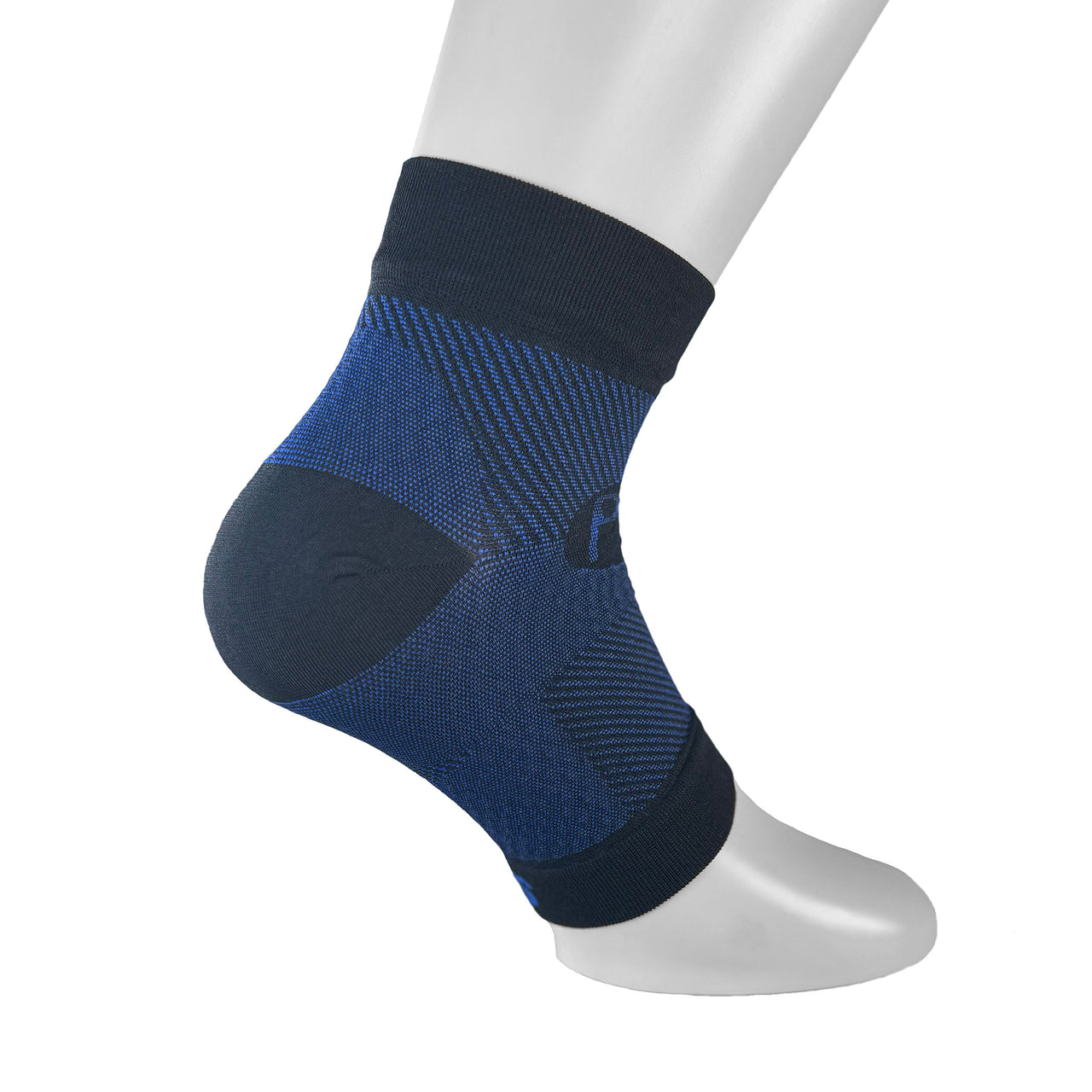
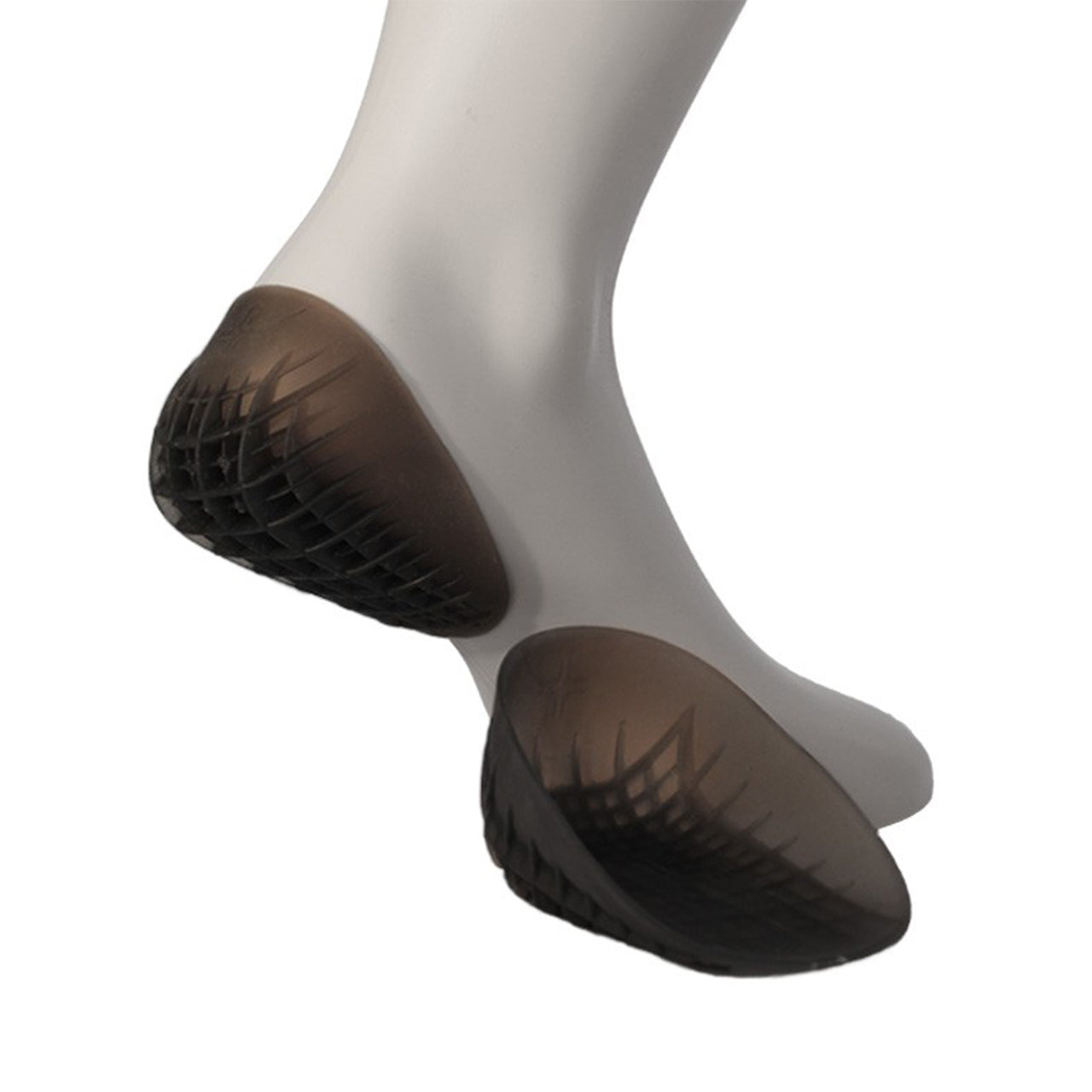
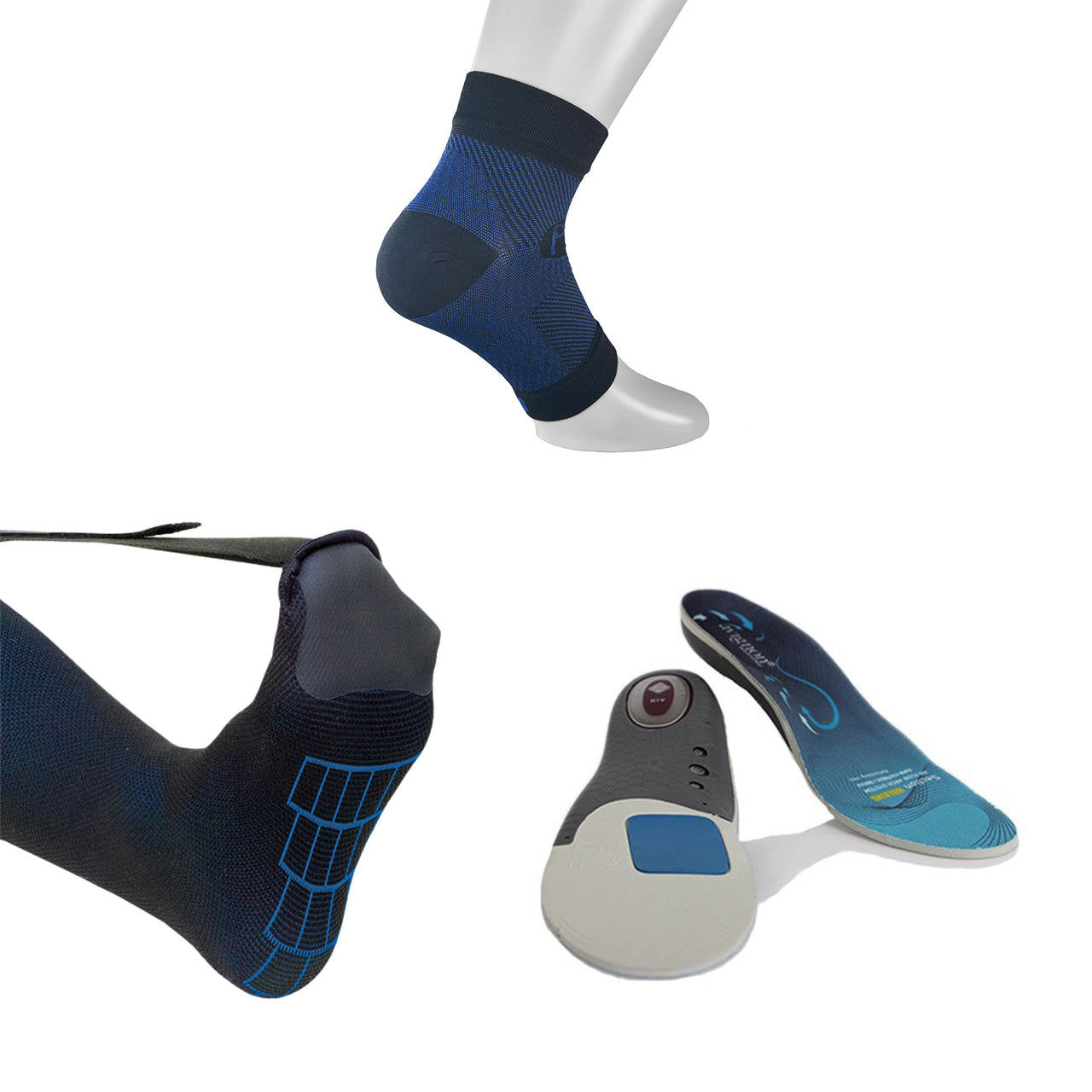
Kantapään kivussa iskunvaimentava kantapään kuppi tai kantapään kiila voi lievittää kantaluuta ja tarjota paremman vaimennuksen jokaisella askeleella. Plantaarifaskiitin kohdalla pohjallinen, jossa on holvikaarituki, voi vähentää jänteen kuormitusta. Kantaluuvaivasta kärsiville lievittävä kantapään suoja voi helpottaa painetta kantapään alla. Yhteistä näille tuotteille on, että ne tarjoavat lisätukea, vähentävät kuormitusta ja voivat parantaa mukavuutta arjessa.
Katso kaikki suojat ja tuet, jotka voivat lievittää kantapään kipua
Liittyvät vammat
- Kulunut kantapään tyyny
- Kantaluu (plantaarifaskiitti)
- Severin vamma (apofysiitti)
- Akillesjänteen tulehdus
Lisätietoja jalasta ja kantapäästä voit lukea Loukkaantumisopas Jalka & kantapää. Voit myös siirtyä Loukkaantumisoppaan pääsivulle lukeaksesi muista vammoista ja oireista.