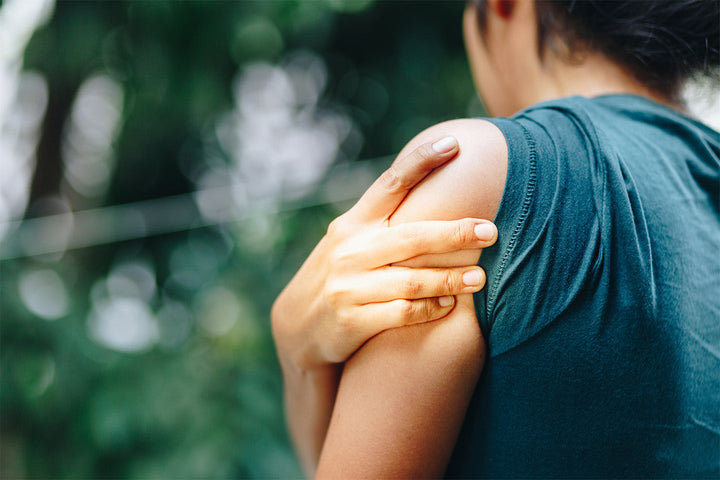
Mitkä ovat olkapään ahtauman syyt?
Olkapään ahtauma tarkoittaa, että pehmytkudokset, usein kiertäjäkalvosimen jänteet tai limapussi (bursa), puristuvat yhteen kapeassa tilassa lapaluun yläpuolella, kun käsivartta nostetaan. Tämä johtaa ärsytykseen ja tulehdukseen, mikä aiheuttaa kipua ja liikkuvuuden rajoituksia, erityisesti nostettaessa käsivartta olkapään yläpuolelle.
Yleiset syyt ja riskitekijät
Ylikuormitus, toistuvat nostot, työskentely olkapään yläpuolella ja lapaluun stabiloivia lihaksia heikentävä voima ovat yleisiä syitä. Heittourheilijat, uimarit tai mailapelejä harrastavat henkilöt sekä yksipuolista yläraajatyötä tekevät ihmiset kärsivät usein tästä. Asentoon liittyvät tekijät, kuten eteenpäin kiertyneet olkapäät ja jäykkä rintaranka, voivat vähentää tilaa olkapäässä.
Oireet
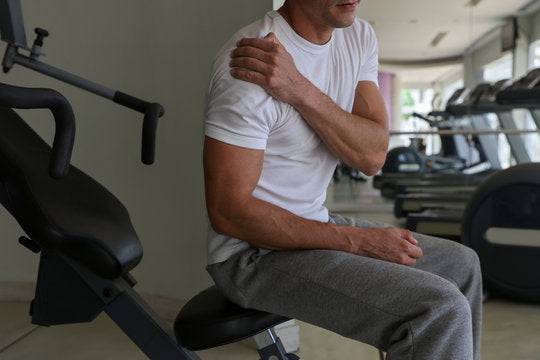
Tyypillisiä oireita ovat kipu, kun käsivartta nostetaan sivulle tai eteenpäin, erityisesti kivun kaaren alueella. Kipu voi tuntua syvällä olkapäässä ja joskus säteillä yläraajaan. Yöaikainen kipu ja vaikeus maata vaurioituneella puolella ovat yleisiä.
Milloin hakea hoitoa?
Sinun tulisi hakea hoitoa, jos kipu on jatkuvaa, jos saat selkeää toimintakyvyn heikkenemistä tai jos vaivat vaikuttavat uneesi ja päivittäisiin aktiviteetteihisi. Pitkäaikaiset ongelmat voivat aiheuttaa toissijaisia muutoksia lihaksissa ja jänteissä.
Suositellut suojat ja tuet
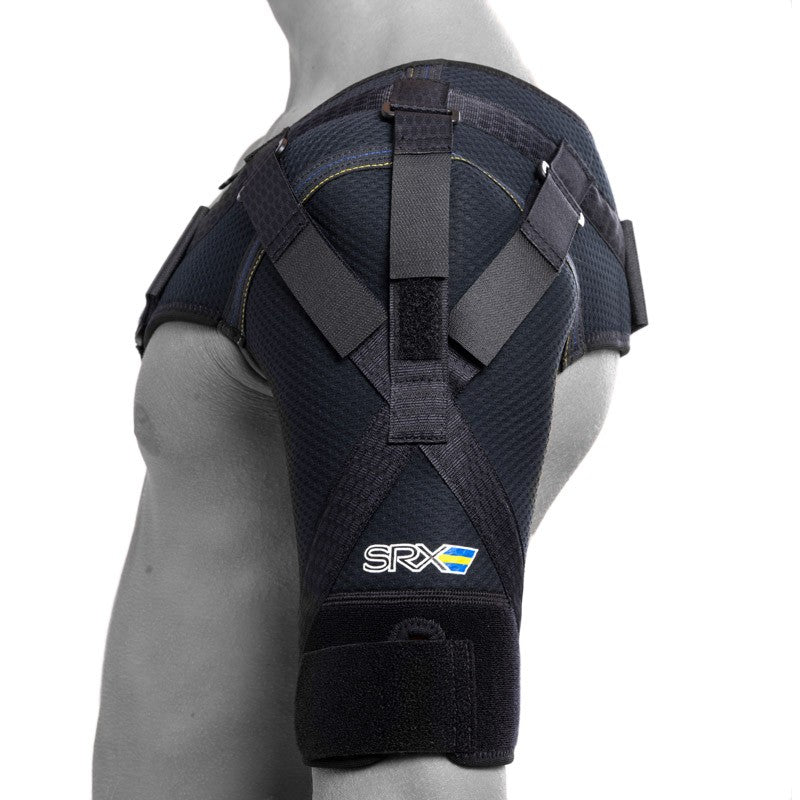
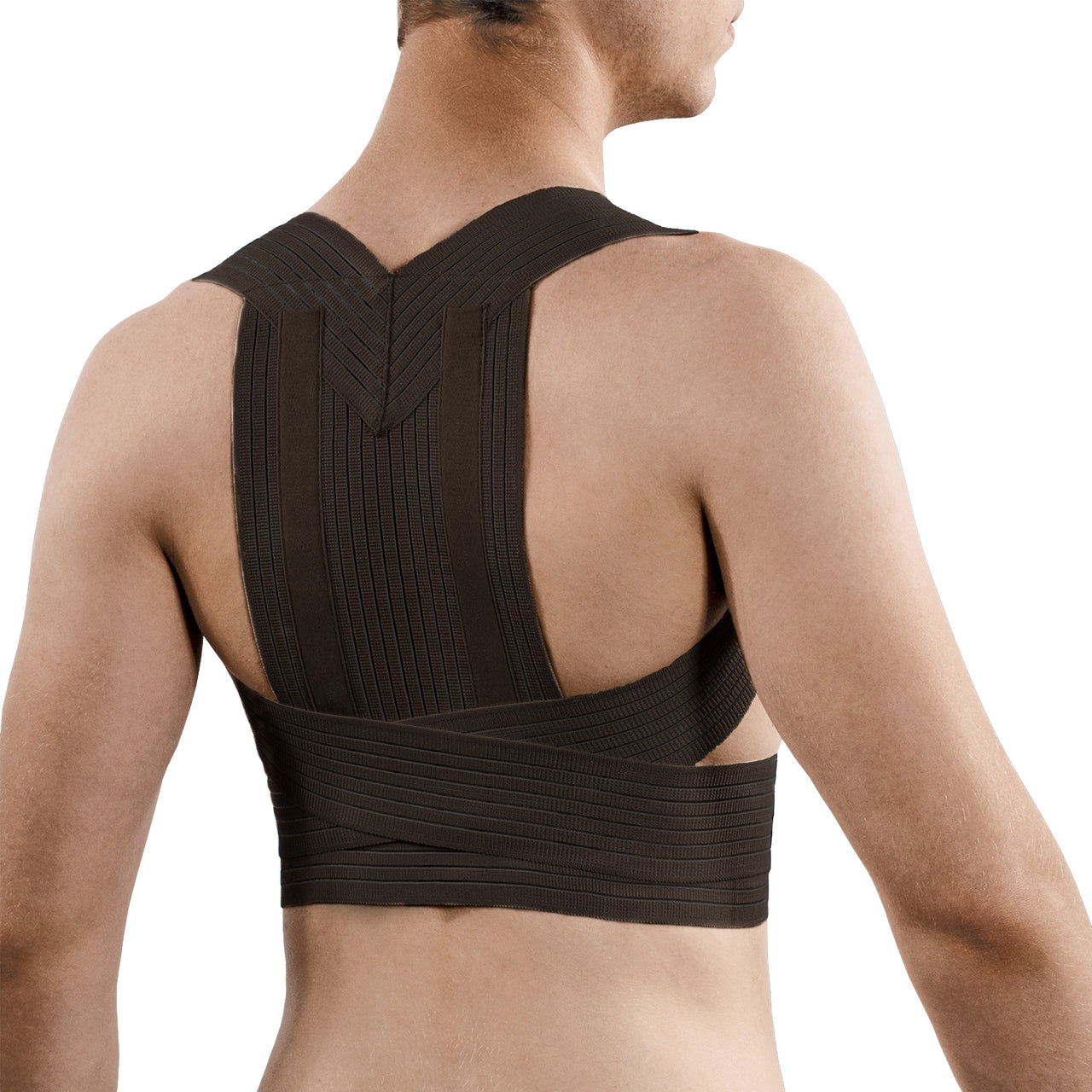
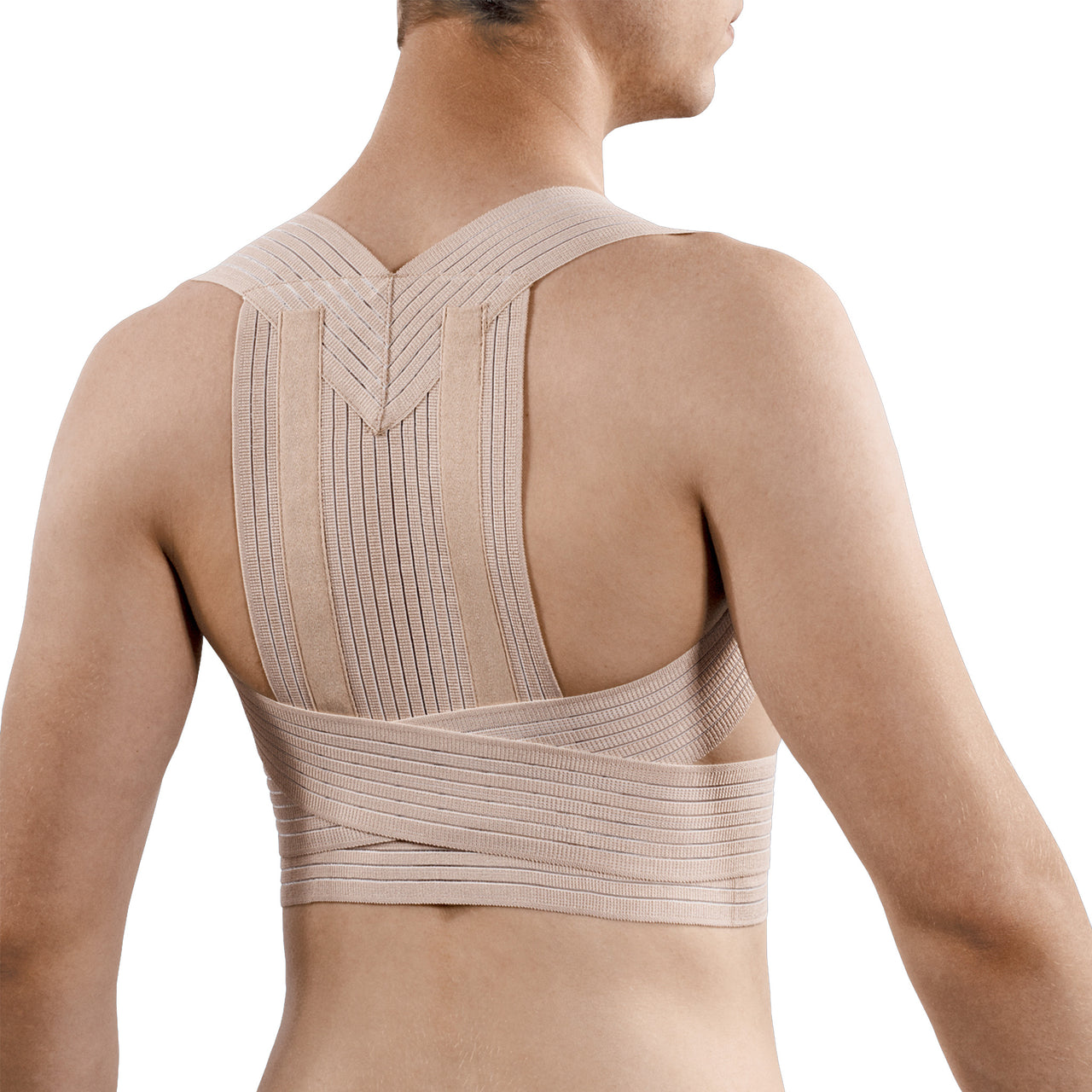
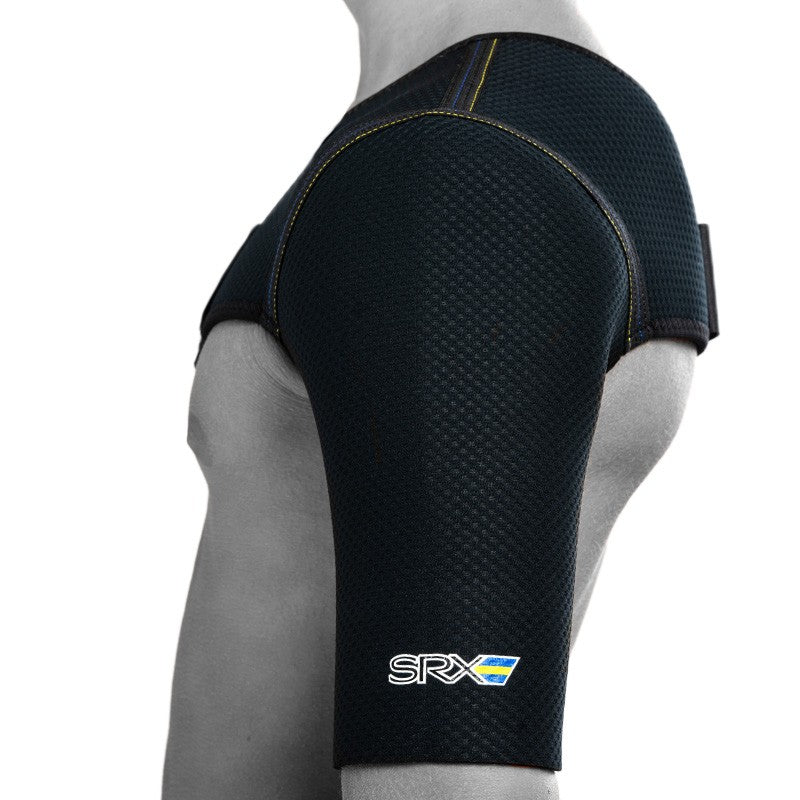
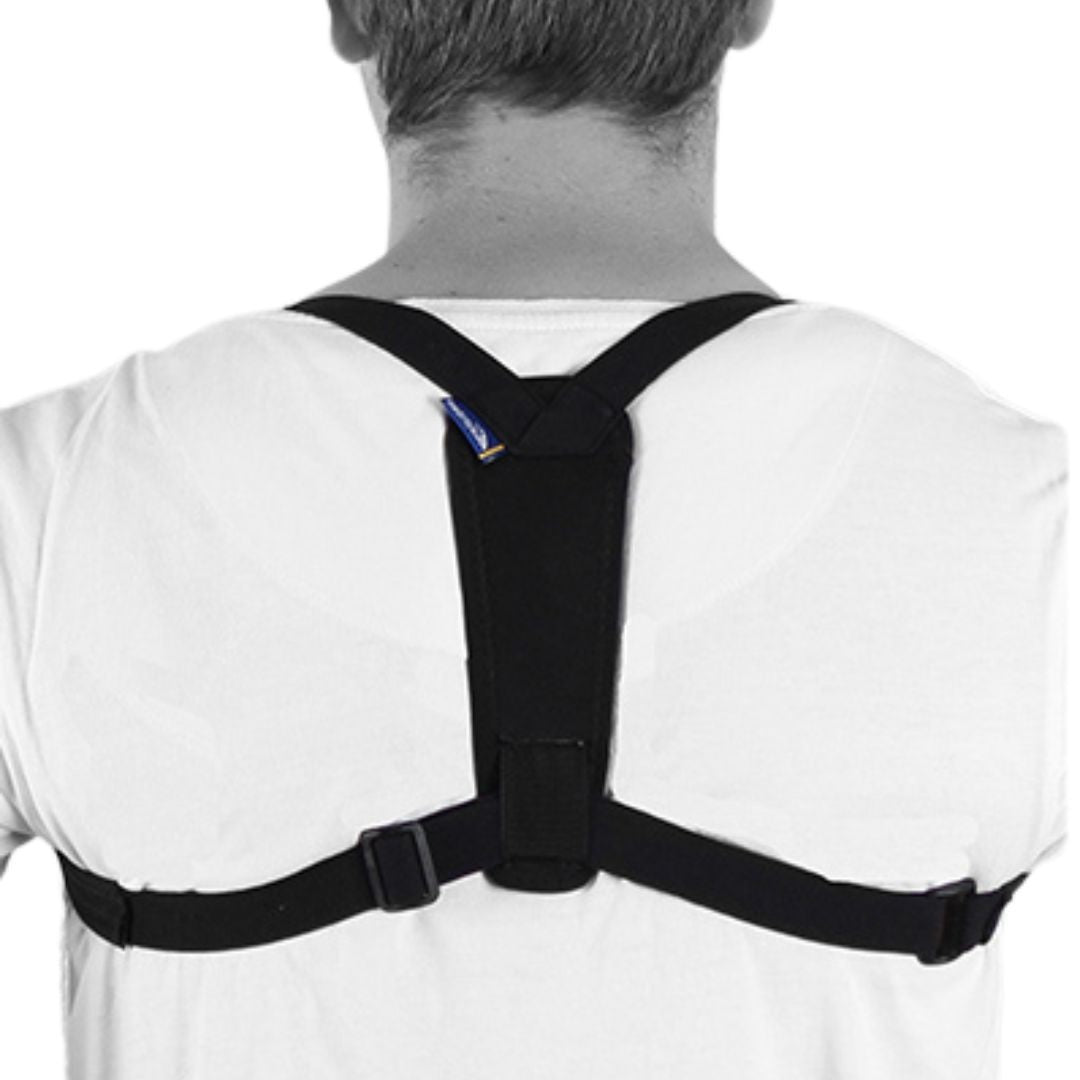
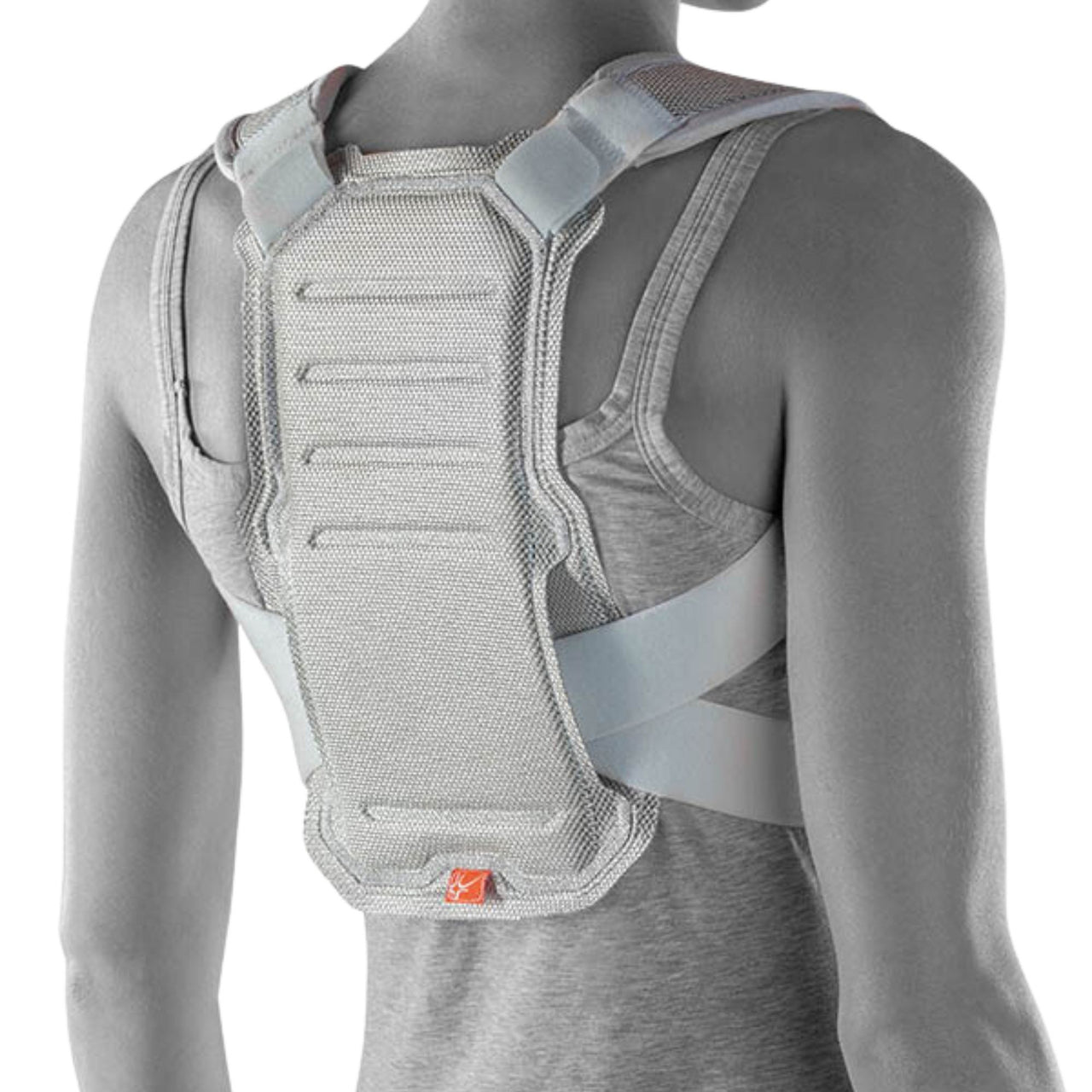
Olkapään tuet, joissa on kompressio, voivat tarjota tukea ja turvallisuutta aktiviteettien aikana. Kuntoutus, joka keskittyy lapaluun stabiliteettiin, asentoon ja kiertäjäkalvosimen lihaksiin, on keskeistä. Kuormituksen säätäminen, provosoivien liikkeiden välttäminen ja ergonomiset säädöt ovat tärkeitä osia hoidossa.
Katso tuotteemme, jotka voivat auttaa olkapään ahtaumassa
Liittyvät vammat
Lisätietoa olkapään vaivoista löydät lisää artikkeleita Loukkaantumisoppaasta Olkapää & Niska -osiossa, ja voit myös siirtyä Loukkaantumisoppaan pääsivulle lukeaksesi muista vammoista ja oireista.