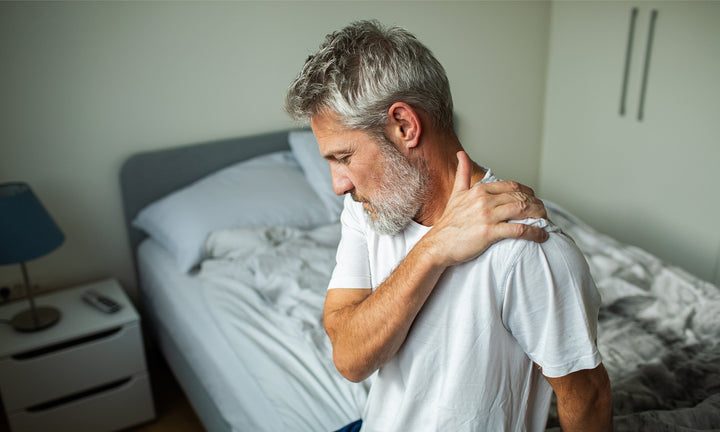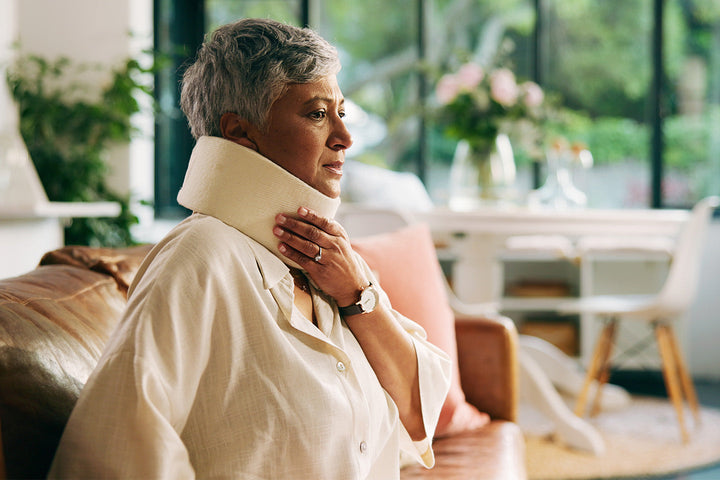
Piiskaniskuvamma voi ilmetä äkillisesti ja vaikuttaa arkeesi enemmän kuin aluksi ajattelet. Tässä käymme läpi, mitä niskassa tapahtuu piiskaniskuvamman yhteydessä, mitä oireita sinun tulisi tarkkailla ja kuinka voit parhaiten tukea kehosi palautumista.
mitä on piiskaniskuvamma?
Piiskaniskuvamma, joka tunnetaan myös nimellä whiplash, syntyy yleensä niskan nopeasta eteen- ja taaksepäin liikkeestä, esimerkiksi auto-onnettomuuksissa tai kaatumisissa. Liike voi vahingoittaa niskan lihaksia, nivelsiteitä ja niveliä, mikä johtaa kipuun, jäykkyyteen ja joskus pitkäaikaisiin vaivoihin. Vamman laajuus vaihtelee lievästä lihasvauriosta vakavampiin ongelmiin.
Yleiset syyt & riskitekijät
Yleisin syy on liikenneonnettomuudet, mutta myös urheiluvammat, kaatumiset tai muut traumat, joissa pää heitetään nopeasti eteen ja taakse, voivat aiheuttaa piiskaniskuvamman. Aikaisemmista niskavaivoista kärsivät henkilöt voivat olla herkempiä, samoin kuin ne, joilla on heikkoutta ryhtilihaksissa.
Oireet
Oireita ovat niskakipu, jäykkyys, päänsärky, väsymys ja joskus huimaus, keskittymisvaikeudet tai heikentynyt tasapaino. Kipu ilmenee usein vuorokauden sisällä vamman jälkeen, mutta se voi joskus viivästyä. Jotkut kokevat säteilevää kipua hartioihin tai lapoihin.
Milloin sinun tulisi hakeutua hoitoon?
Sinun tulisi hakeutua hoitoon niskan trauman jälkeen, erityisesti voimakkaan kivun, liikuntavaikeuksien, käsien puutumisen tai tasapainon ja kävelyn häiriöiden yhteydessä. Yleisessä huonovointisuudessa tai voimakkaassa päänsäryssä tulisi arvioida tilanne kiireellisesti.
Suositellut suojat & tuet
Lyhytaikainen kuormituksen vähentäminen ja kivunlievitys ovat usein tärkeitä alussa. Lämpö voi lievittää lihasjännityksiä. Vähittäinen paluu liikkumiseen ja kevyt harjoittelu on osoittautunut hyödylliseksi palautumiselle. Ergonomiset mukautukset työssä voivat vähentää niskan kuormitusta.
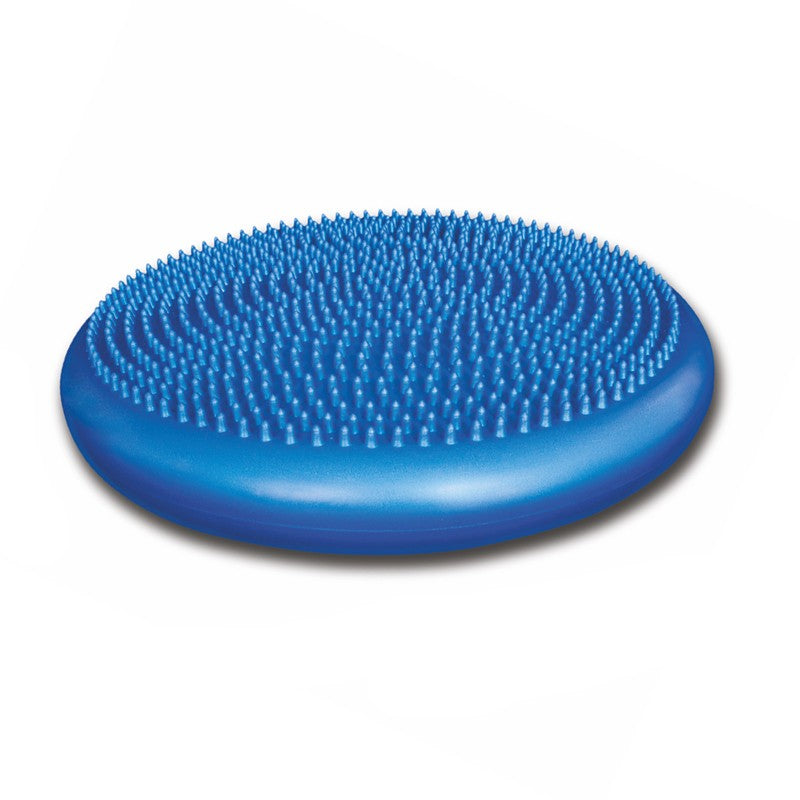
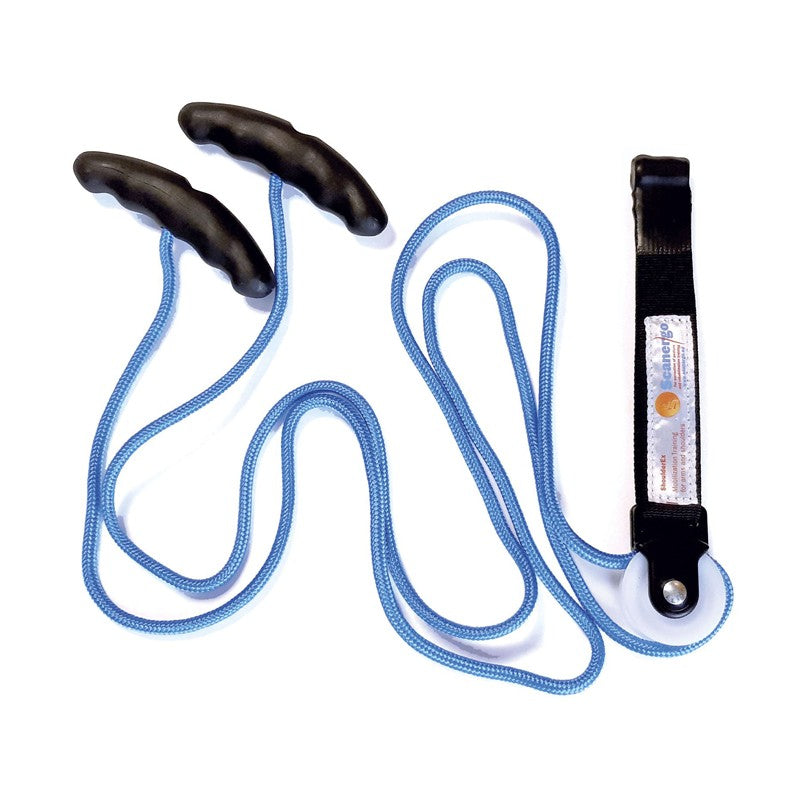
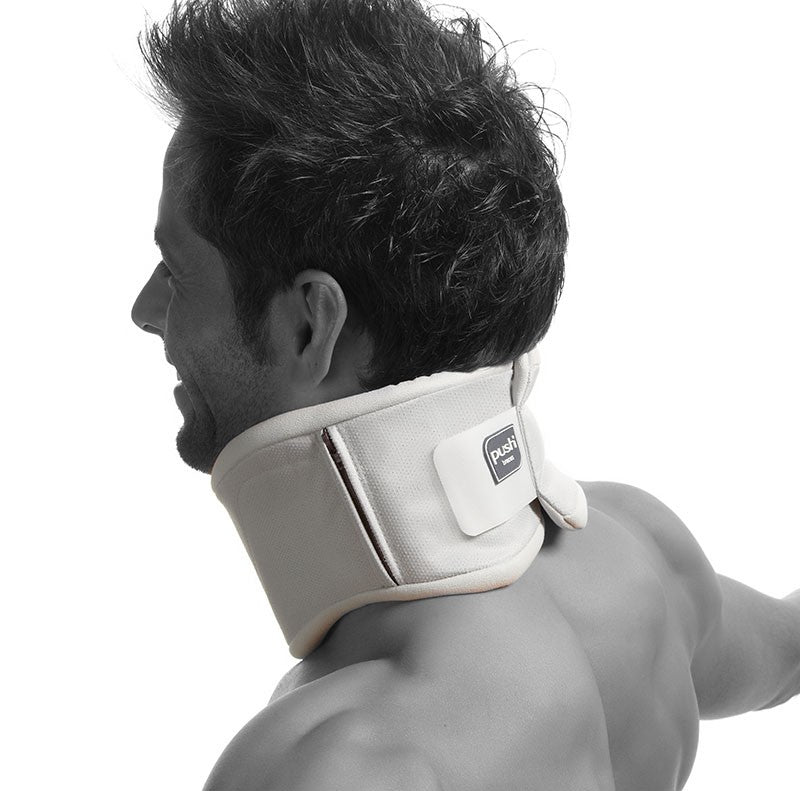
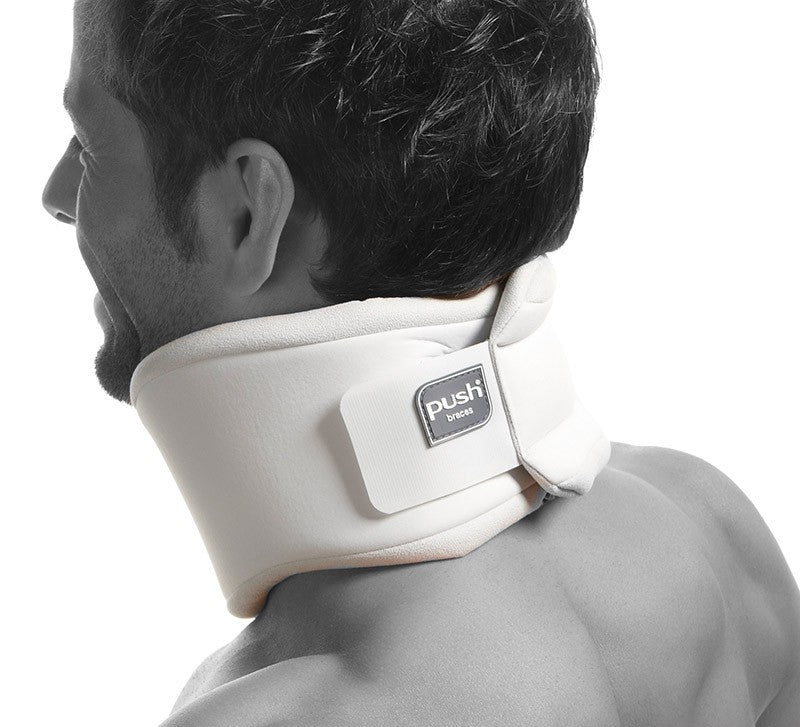
Katso tuotteet, jotka voivat auttaa piiskaniskuvammassa
Liittyvät vammat
Lisätietoa niskavaivoista löydät lisää artikkeleita niskavammopopas -sivultamme, ja voit myös siirtyä Loukkaantumisoppaan pääsivulle lukeaksesi muista vammoista ja oireista.