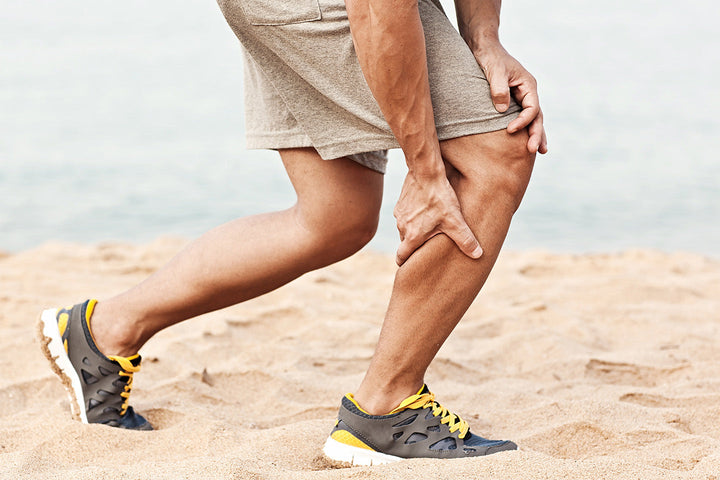

Penikkatauti on ylikuormitusvamma, joka aiheuttaa kipua sääriluun sisäpuolella. Ongelmat vaikuttavat sekä kuntoilijoihin että urheilijoihin ja liittyvät usein lisääntyneeseen harjoitusmäärään, alustan vaihtamiseen tai virheelliseen kuormitukseen jalassa ja alaraajassa.
Mitä penikkatauti tarkoittaa?
Penikkataudin yhteydessä esiintyvän sääriluun sisäsyrjän kivun tarkkaa syytä ei tunneta. Aiemmin sen uskottiin johtuvan tulehduksesta, mutta nykykäsityksen mukaan kyse on todennäköisemmin luun stressireaktiosta. Penikkatauti tunnetaan myös nimellä mediaalinen tibiaalinen stressioireyhtymä (MTSS). Vaiva on yleinen juoksijoilla ja lajeissa, joissa kuormitus on suurta ja joissa juostaan ja hypitään paljon. Kipu ilmenee usein liikunnan aikana, lievittyy levossa mutta palaa toistuvan harjoittelun yhteydessä. Syynä voivat olla ylikuormitus, jalan rakenteelliset tekijät, kuten ylipronaatio, tai puutteelliset varusteet, esimerkiksi epävakaat kengät.
Yleiset syyt ja riskitekijät
Penikkatauti johtuu usein ylirasituksesta, harjoitusmäärän liian nopeasta lisäämisestä tai siirtymisestä kovien ja pehmeiden alustojen välillä. Jalan rakenteelliset tekijät, kuten ylipronaatio, voivat aiheuttaa virheasentoa ja lisätä vaivan riskiä. Myös epävakaat kengät tai riittämätön iskunvaimennus lisäävät riskiä. Kylmettyminen kylmänä vuodenaikana voi lisäksi pahentaa oireita.
Oireet
- Kipua sääriluun sisäpuolella aktiviteetin aikana
- Herkkä ja paineherkkä alue alaraajassa
- Lämpötilan nousu ja joskus turvotus vaurioituneella alueella
- Kivun lisääntyminen kuormituksen kasvaessa
- Vaihtelevat vaivat, parempia ja huonompia jaksoja
Milloin sinun pitäisi hakeutua hoitoon?
Jos kipu ei vähene levon ja itsehoidon jälkeen, tai jos ongelmat pahenevat ja estävät sinua päivittäisistä toiminnoista, sinun tulisi ottaa yhteyttä terveydenhuoltoon.
Suositellut suojat ja tuet
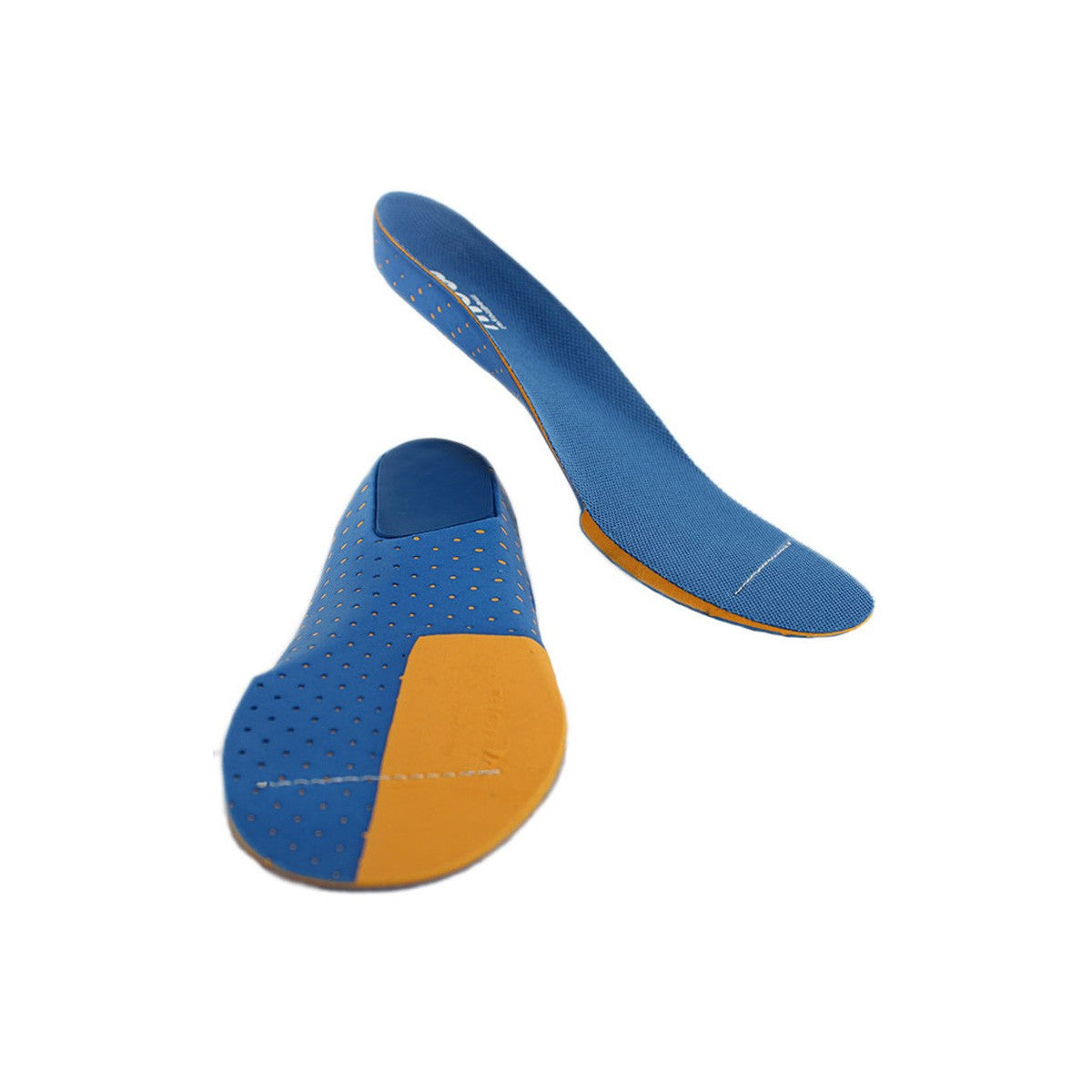
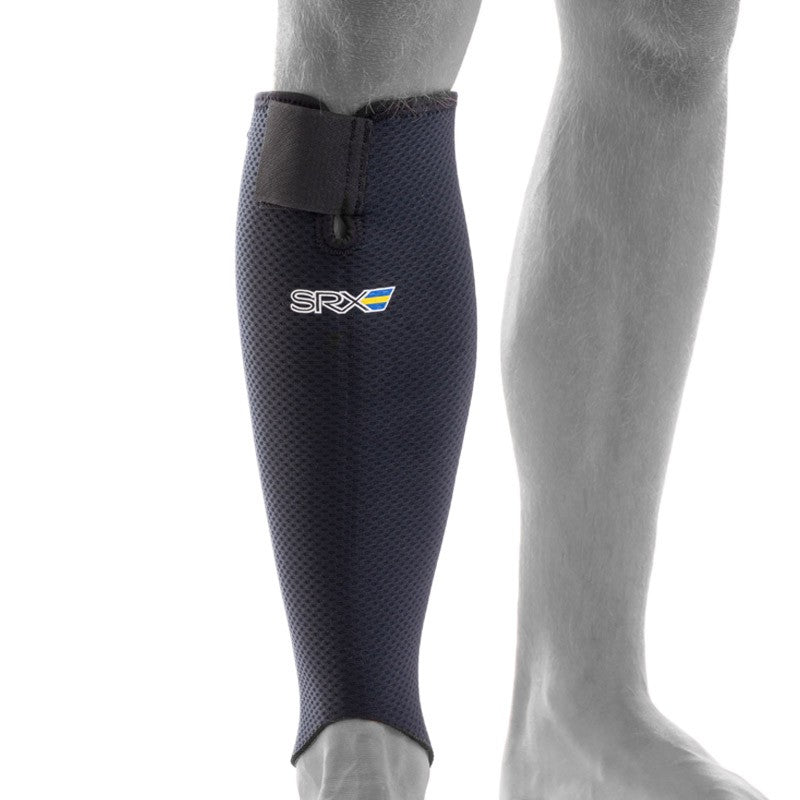
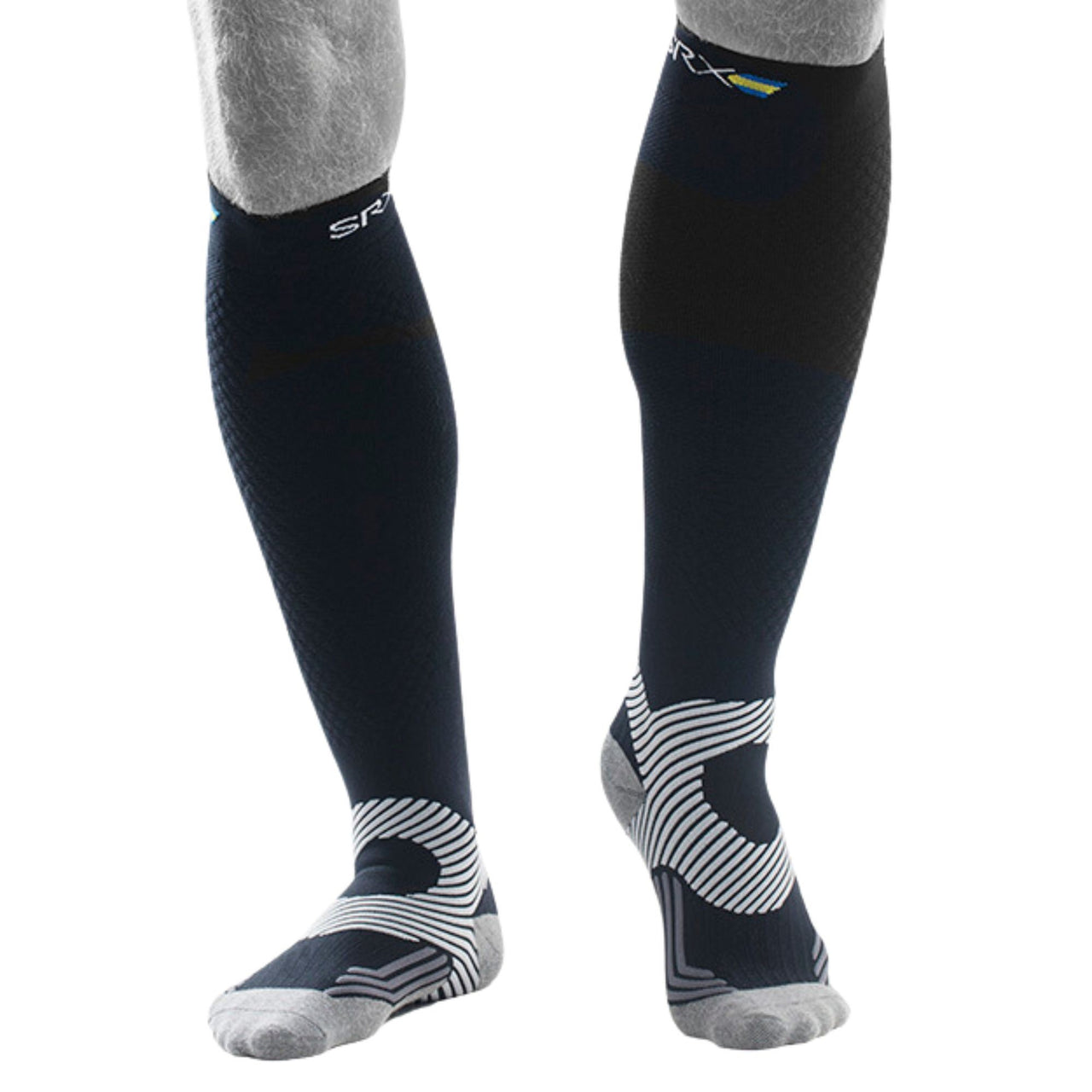
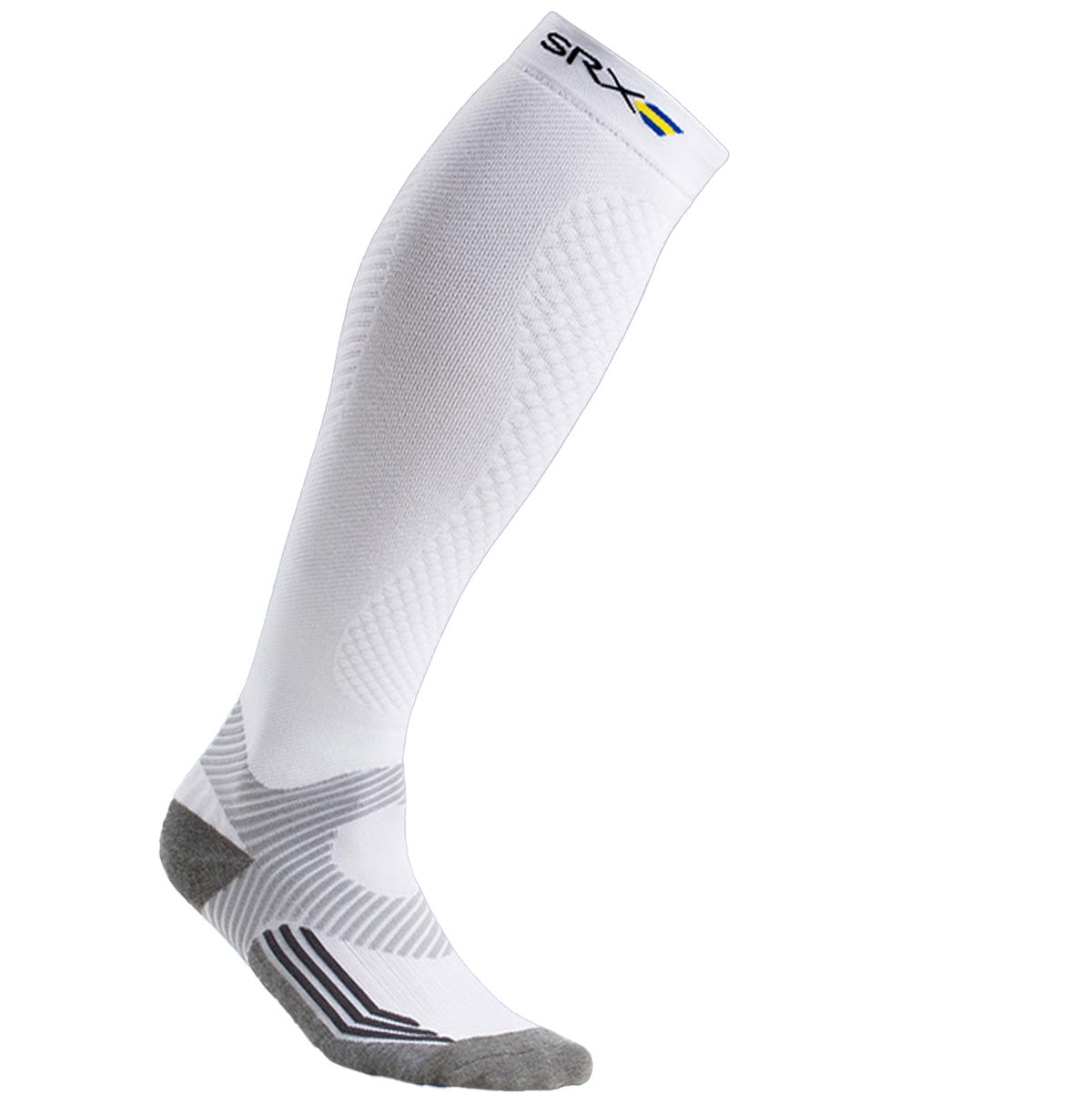
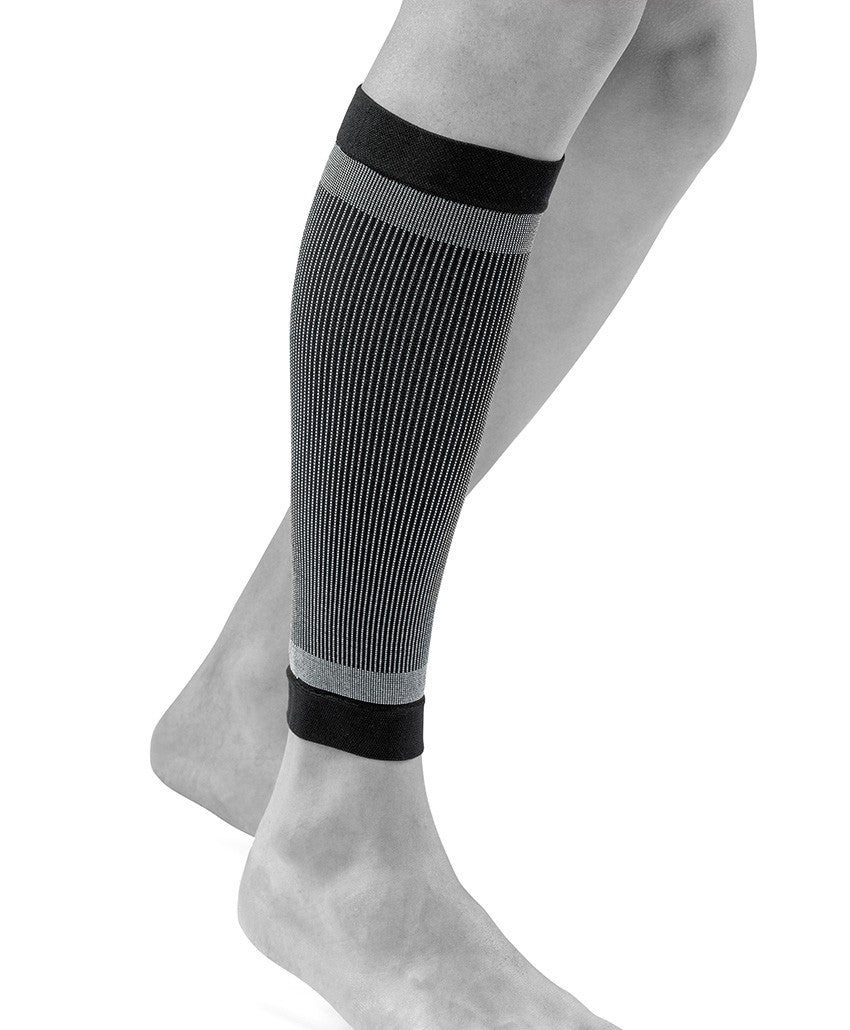
Penikkataudissa oikeanlainen tuki ja kuormituksen vähentäminen voivat helpottaa kipua ja lisätä turvallisuuden tunnetta liikunnan aikana. Ennaltaehkäisevät toimenpiteet, kuten huolellinen lämmittely, harjoitusmäärän asteittainen lisääminen ja oikeanlaisten kenkien käyttö, ovat ratkaisevan tärkeitä uusiutuvien vaivojen ehkäisemiseksi.
Katso kaikki suojat ja tuet, jotka voivat auttaa penikkataudissa
Liittyvät vammat
Lisätietoa jalka-, pohje- ja reisi-vaivoista voit lukea Loukkaantumisopas Jalat -osiosta. Voit myös siirtyä Loukkaantumisoppaan pääsivulle lukeaksesi muista vammoista ja oireista.