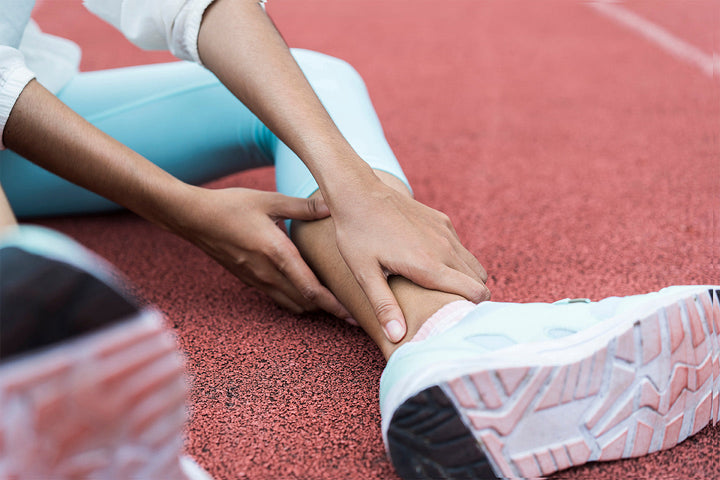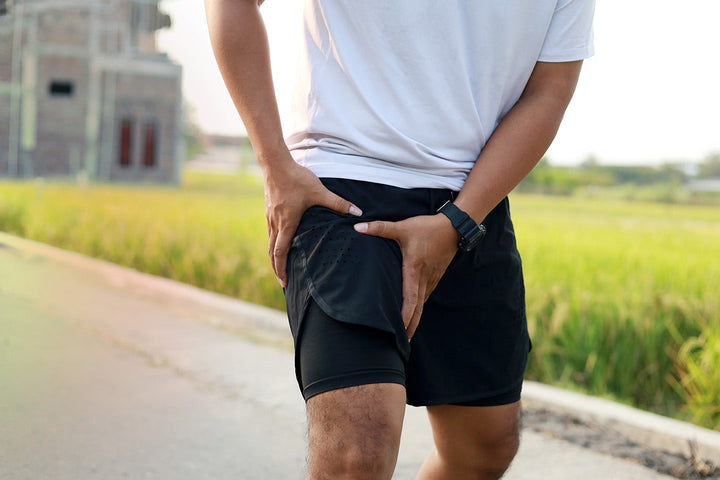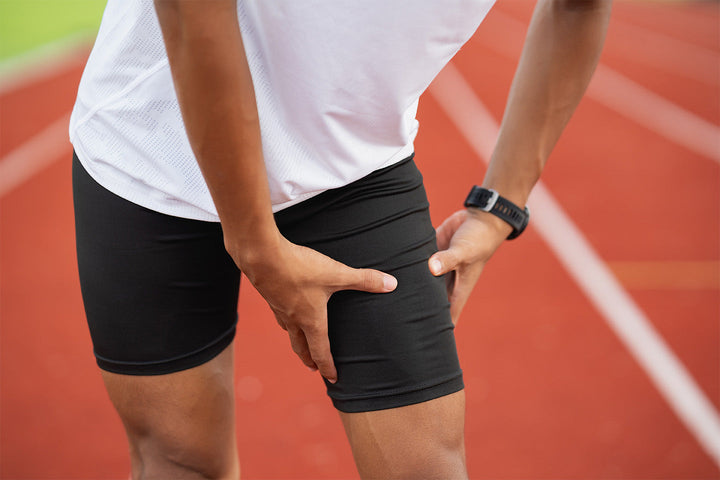

Lihasrepeämä jalassa on yleinen vamma, joka esiintyy usein urheilun, liikunnan tai kontaktisportin yhteydessä. Vamma johtuu lihaskudoksen repeämisestä, mikä aiheuttaa verenvuotoa, turvotusta ja kipua.
Mitkä ovat lihasrepeämän oireet?
Lihasrepeämä tarkoittaa lihaskudoksen osittaista tai täydellistä repeämistä, usein lihaksen ja jänteen rajakohdassa. Vamma voi olla pieni repeämä tai täydellinen katkeaminen. Yleisimmät alueet ovat reisilihakset ja pohjelihakset, mutta repeämiä voi esiintyä kaikissa lihasryhmissä. Riski kasvaa huonon lämmittelyn, aiempien vammojen, iän tai kylmien ja kireiden lihasten myötä.
Yleiset syyt ja riskitekijät
Lihasrepeämät tapahtuvat usein räjähtävissä liikkeissä, väärässä kuormituksessa tai suoran voiman vaikutuksesta, kuten kontaktisportissa. Myös ylikuormitus korkealla harjoitusmäärällä, riittämätön lämmittely ja aiemmista vammoista johtuva arpikudostus lisäävät riskiä. Kylmä ja kireät lihakset heikentävät elastisuutta ja tekevät lihaksesta alttiimman.
Oireet
- Äkillinen pistävä kipu lihaksessa vamman hetkellä
- Paikallinen turvotus, lämpö ja punoitus vamman alueella
- Sinertävä värimuutos verenvuodon vuoksi
- Kipua liikkuessa ja joskus myös levossa
- Heikentynyt toiminta ja voima vaurioituneessa lihaksessa
Milloin kannattaa hakeutua hoitoon?
Jos kipu on voimakasta, jatkuu yli 24 tuntia tai toimintakyky on selvästi heikentynyt, kannattaa hakeutua terveydenhuollon arvioon. Laaja lihasrepeämä voi vaatia lääkärin tutkimuksen mahdollisten liitännäisvammojen poissulkemiseksi. Jos kyseessä on vakava vamma, jossa useita lihasjänteitä on irronnut, myös leikkaushoito voi olla tarpeen.
Suositellut suojat ja tuet
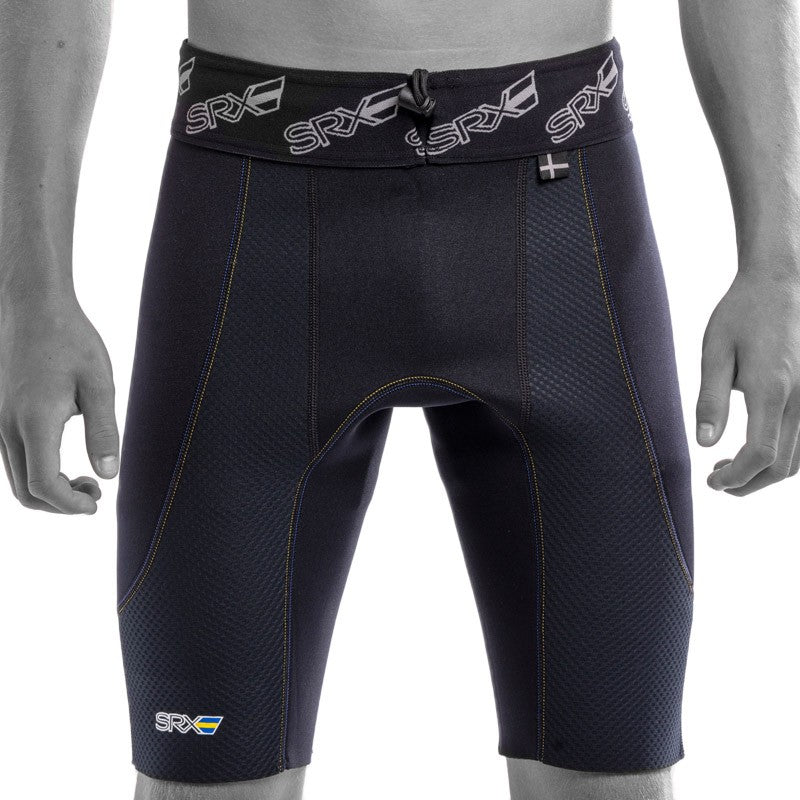
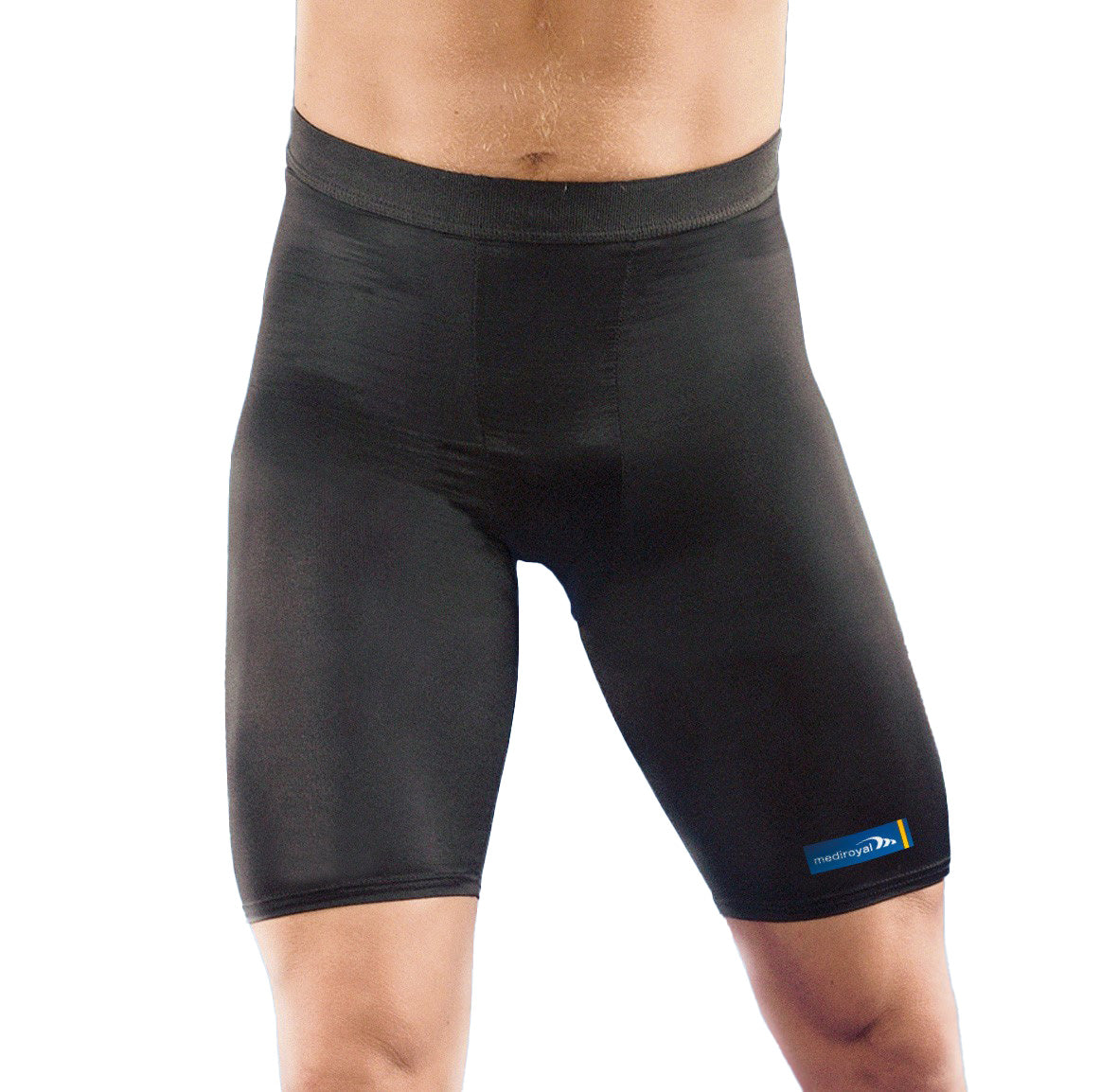
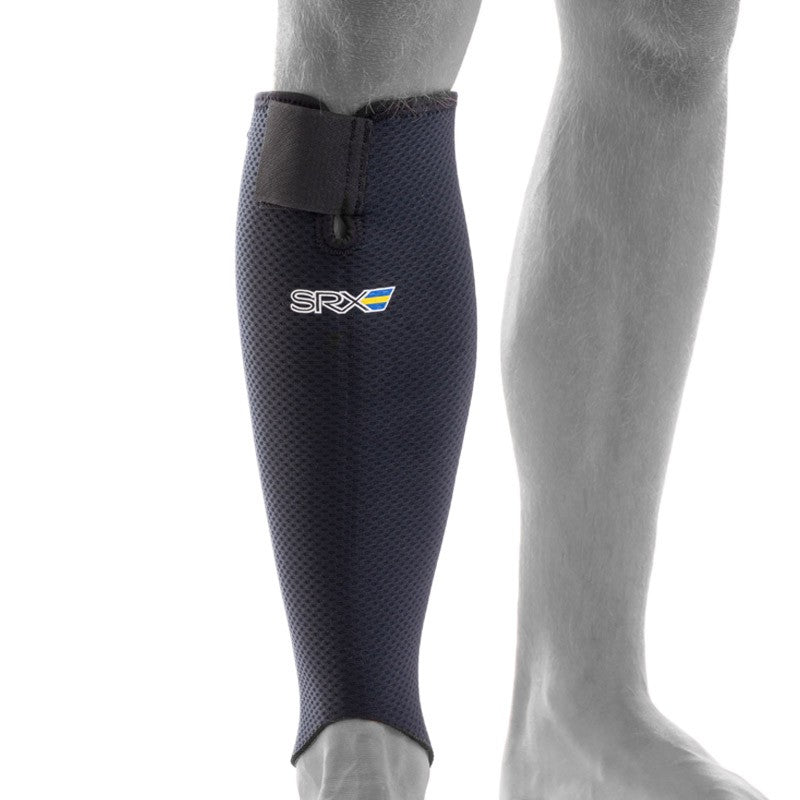
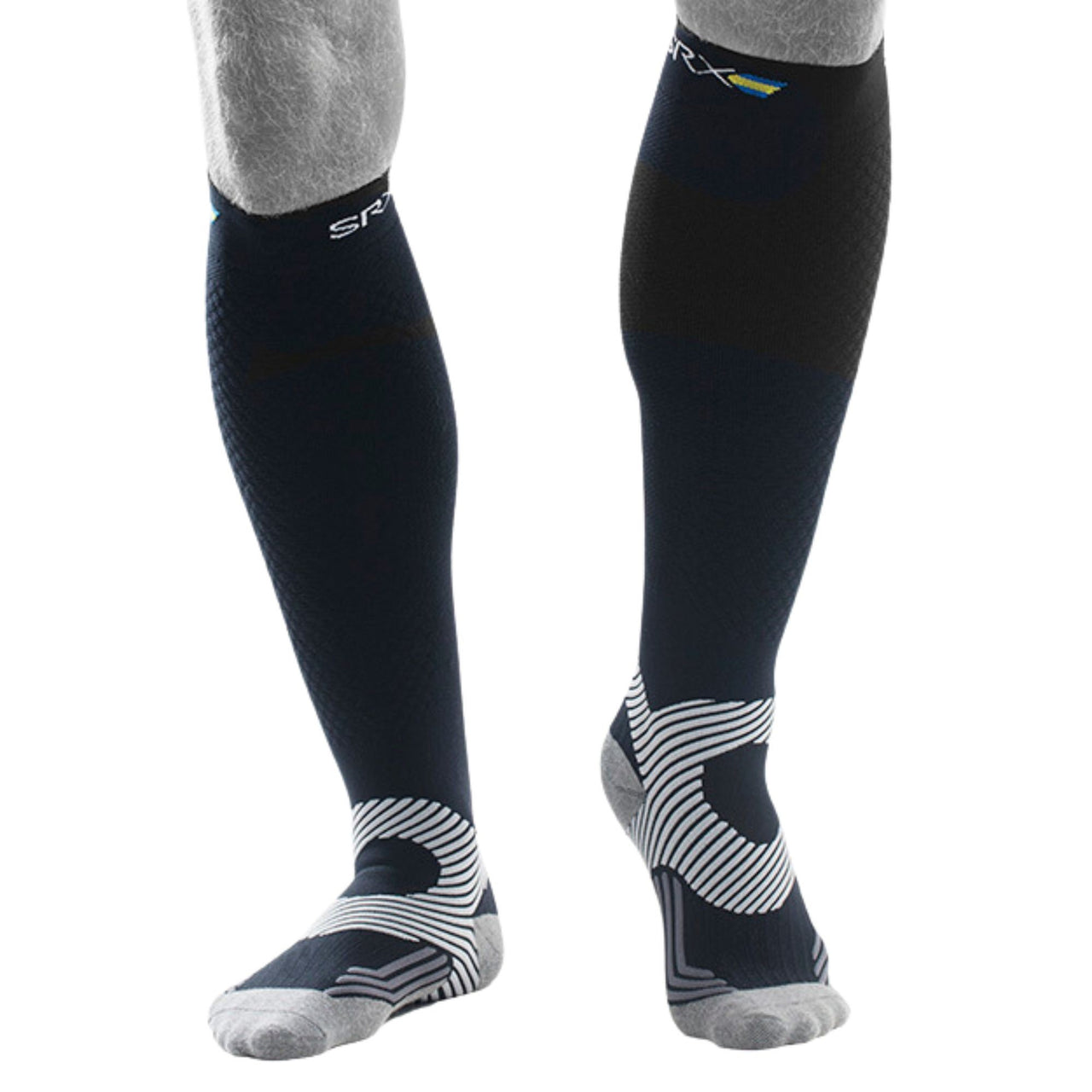
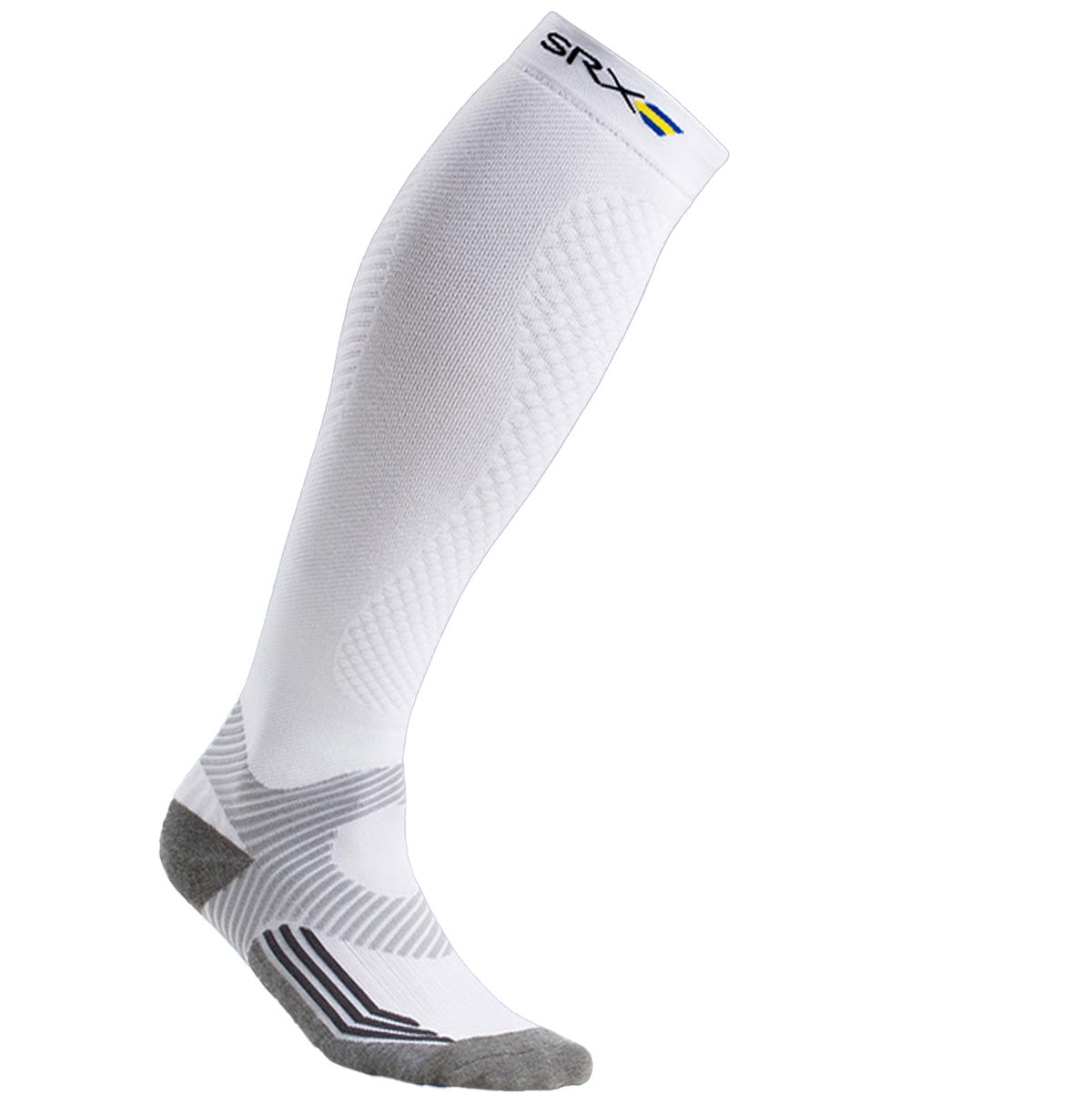
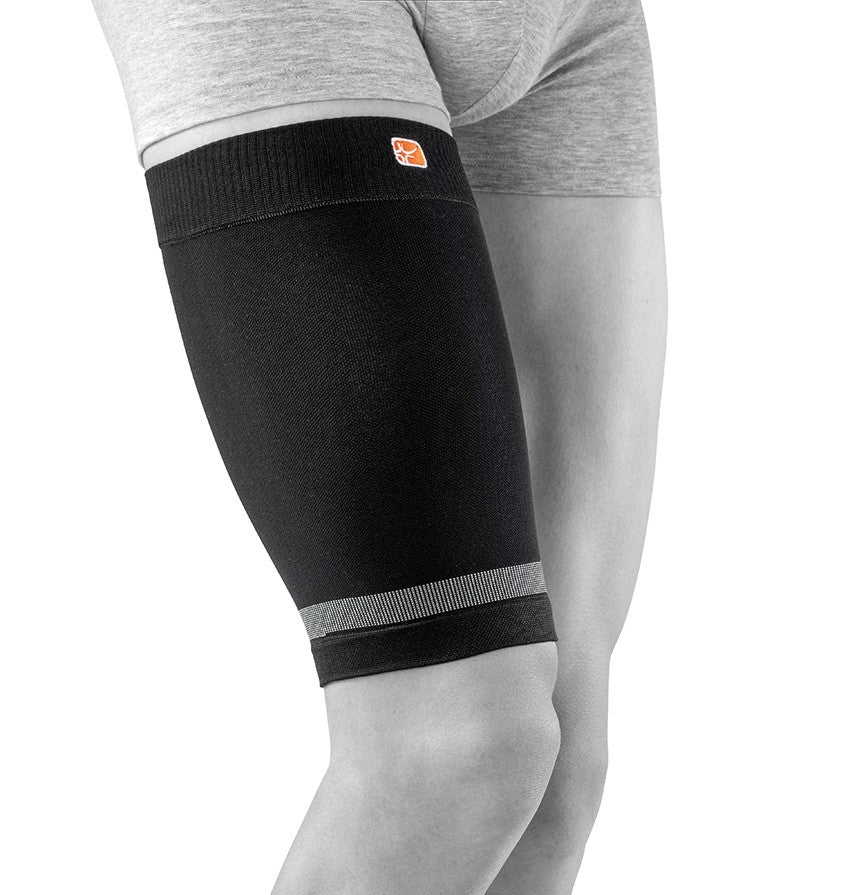
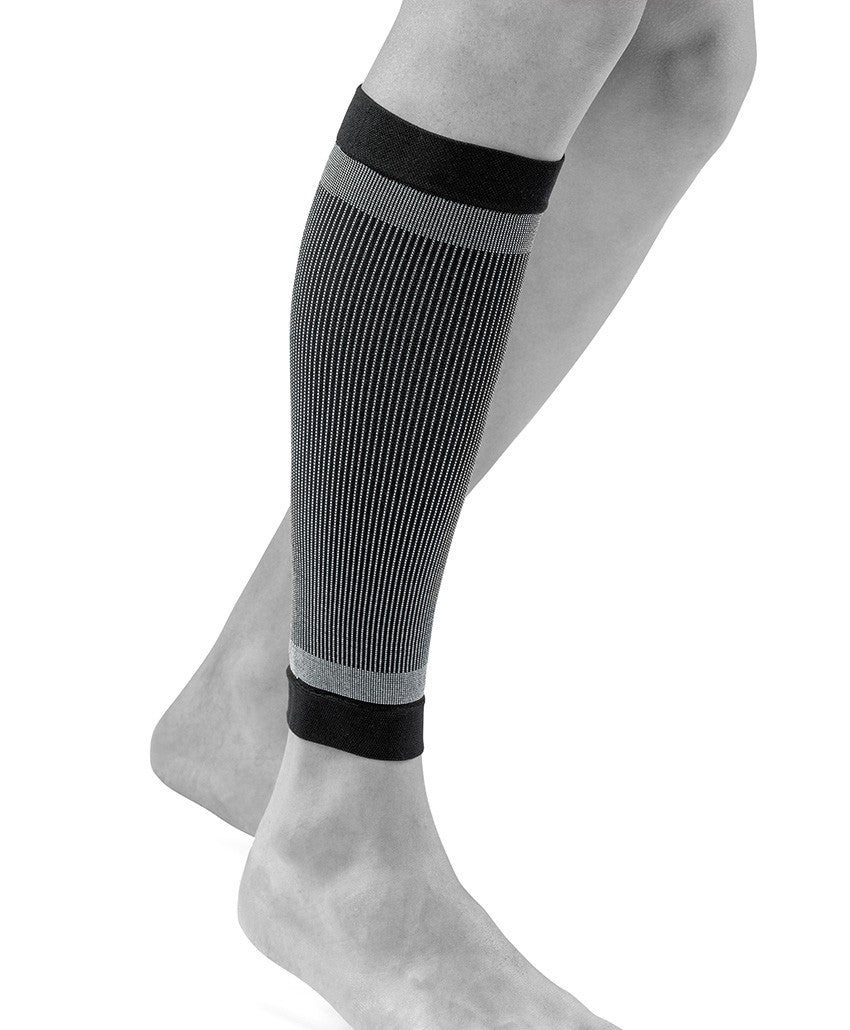
Lihasrepeämässä oikeanlainen tuki ja kuormituksen vähentäminen voivat lisätä turvallisuuden tunnetta ja käyttömukavuutta paranemisvaiheen aikana. Kompression, kylmähoidon ja raajan kohoasennon yhdistelmä (PRICE-periaate) on hyväksi todettu ensiapukeino. Akuutin vaiheen jälkeen kompressiotukea voidaan käyttää liikunnan aikana verenkierron edistämiseksi ja uusiutumisriskin vähentämiseksi. Yksilöllisesti suunniteltu kuntoutus fysioterapeutin ohjauksessa on tärkeää voiman palauttamiseksi ja uusien vammojen ehkäisemiseksi.
Katso kaikki suojat ja tuet, jotka voivat vähentää lihasrepeämän aiheuttamaa kuormitusta jalassa
Liittyvät vammat
Lisätietoa jalka-, pohje- ja reisivaivoista voit lukea Loukkaantumisopas Jalat -sivulta. Voit myös siirtyä Loukkaantumisoppaan pääsivulle lukeaksesi muista vammoista ja oireista.