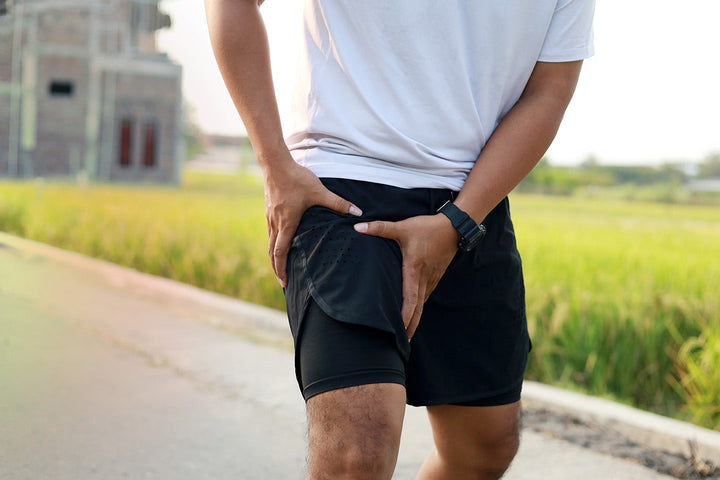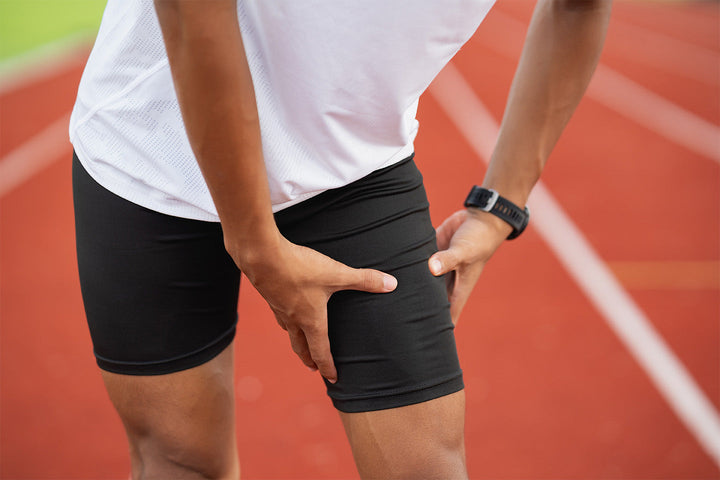

Turvonneet jalat ovat yleinen vaiva, joka voi aiheuttaa painon tunnetta, jännitystä ja väsymystä jaloissa – erityisesti pitkien istumisaikojen tai seisomisen jälkeen. Tässä saat selkeän katsauksen siihen, mistä turvonneet jalat johtuvat, yleisiin oireisiin ja mitä voit tehdä ehkäistäksesi jalkojen turvotusta.
Mitä ovat turvonneet jalat?
Turvonneet jalat, tai jalkojen ödeema, tarkoittaa, että nestettä kertyy jalan kudoksiin, useimmiten alaraajoihin ja nilkkoihin. Tämä voi aiheuttaa painon tunnetta, kireää ihoa ja väsymystä jaloissa. Turvotus voi vaihdella päivän aikana ja on usein pahinta illalla.
Yleiset syyt ja riskitekijät
Jalkojen ödeema voi johtua heikentyneestä laskimoverenkierrosta, pitkäaikaisesta seisomisesta tai istumisesta, ylipainosta, raskaudesta tai tietyistä lääkkeistä. Sydämen vajaatoiminta, munuais- tai maksasairaudet voivat myös aiheuttaa turvotusta. Ihmiset, jotka seisovat paljon työssään tai liikkuvat vähän, ovat suuremmassa riskissä.
Oireet
Oireisiin kuuluvat turvotus, painon tunne, kireä iho ja joskus kipu tai väsymys jaloissa. Sukat voivat jättää selkeitä jälkiä. Voimakkaassa turvotuksessa iho voi tuntua aralta tai ärtyneeltä.
Milloin sinun tulisi hakeutua hoitoon?
Sinun tulisi hakeutua hoitoon, jos turvotus on uusi, yksipuolinen, voimakas tai siihen liittyy lämpöä, punoitusta tai kipua. Myös pitkäaikainen turvotus ilman selvää syytä tulisi tutkia, erityisesti jos sinulla on muita sairauksia.
Suositellut suojat ja tuet
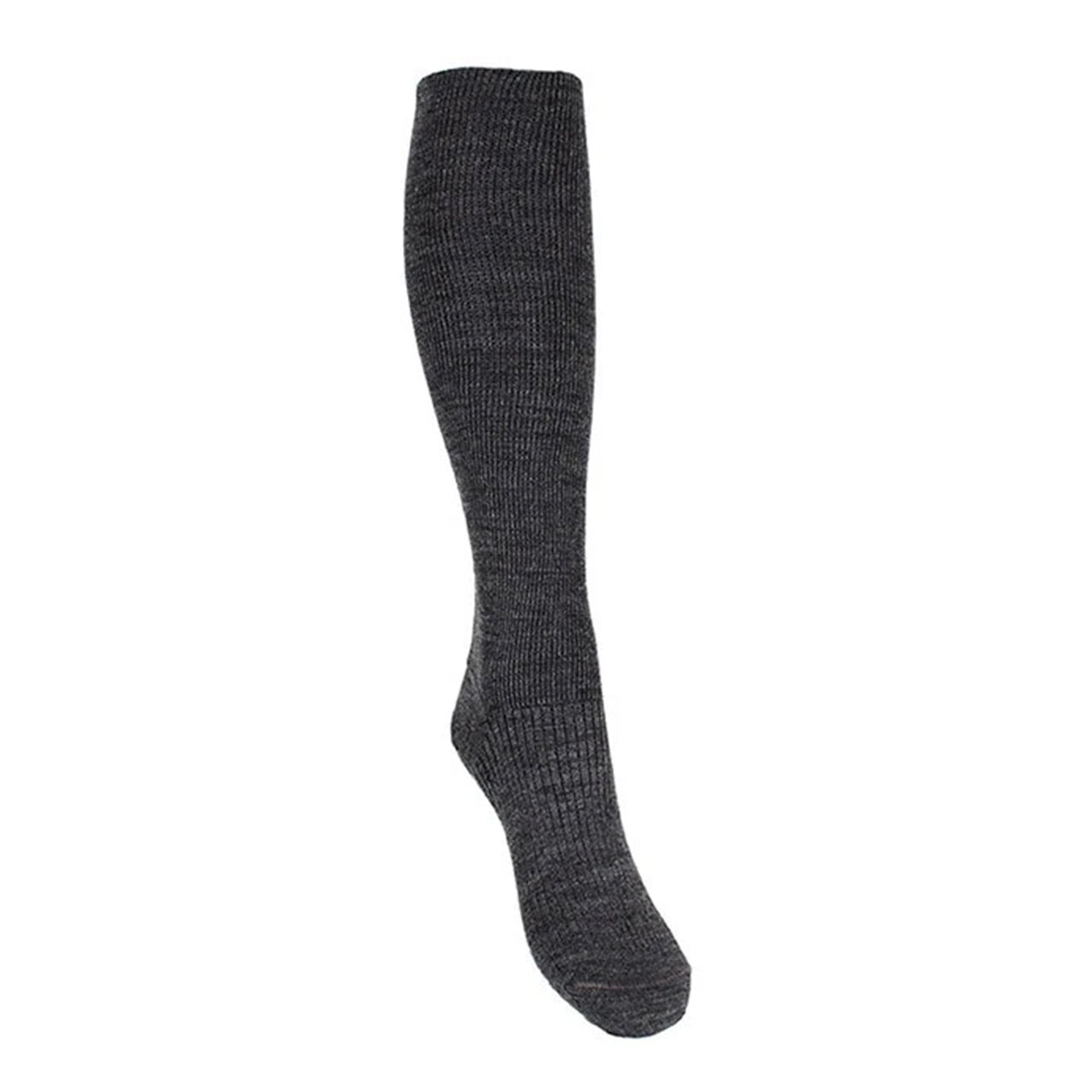
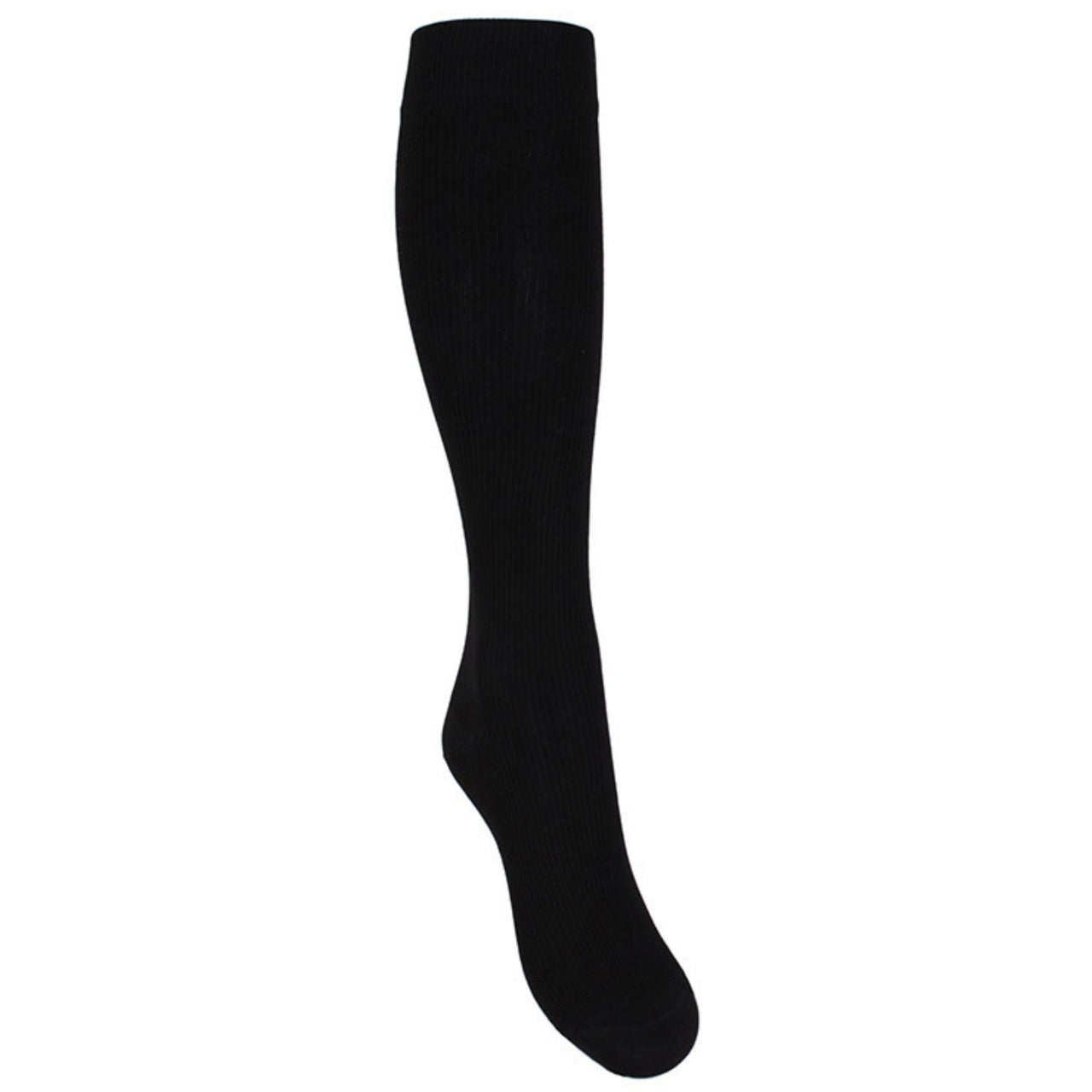
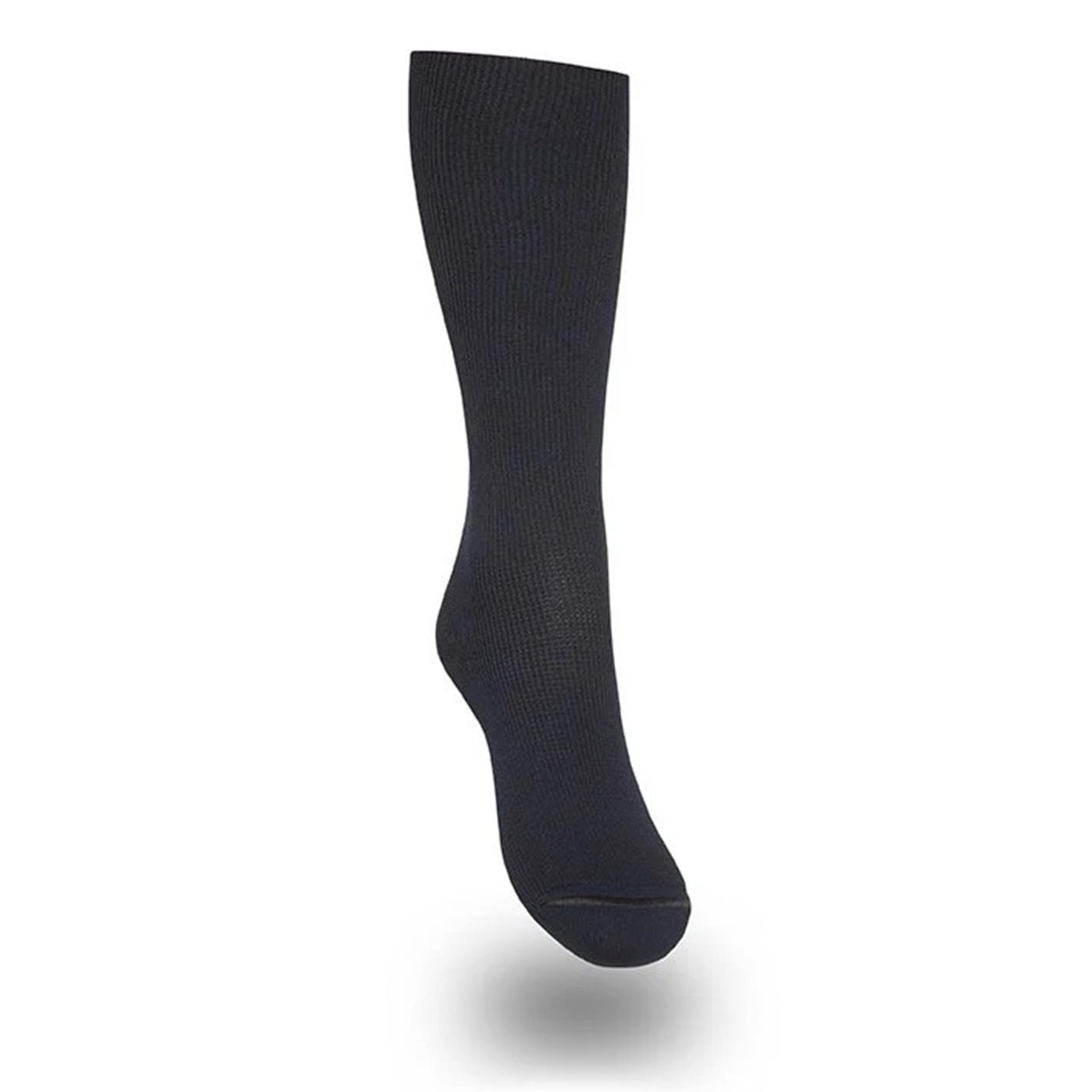
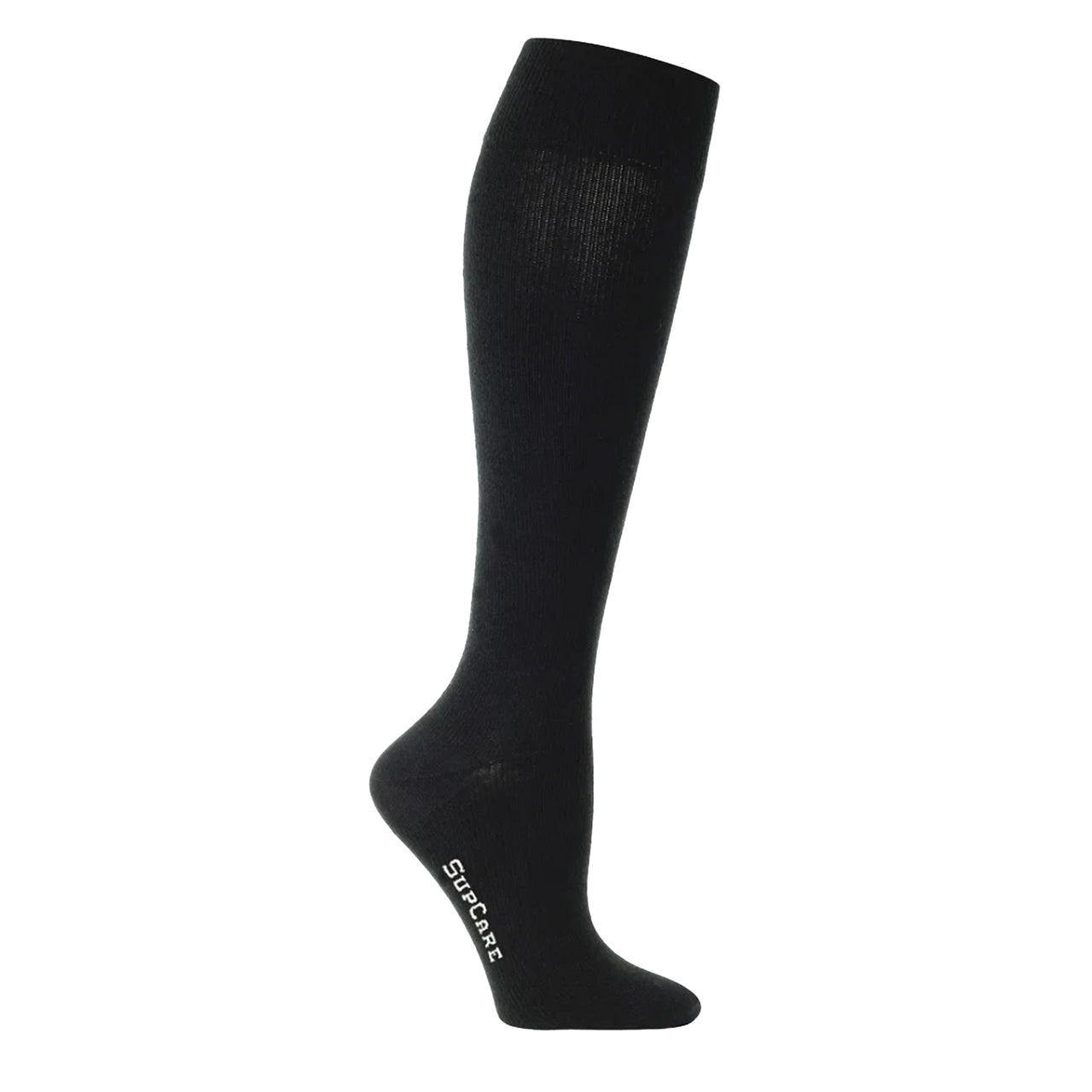
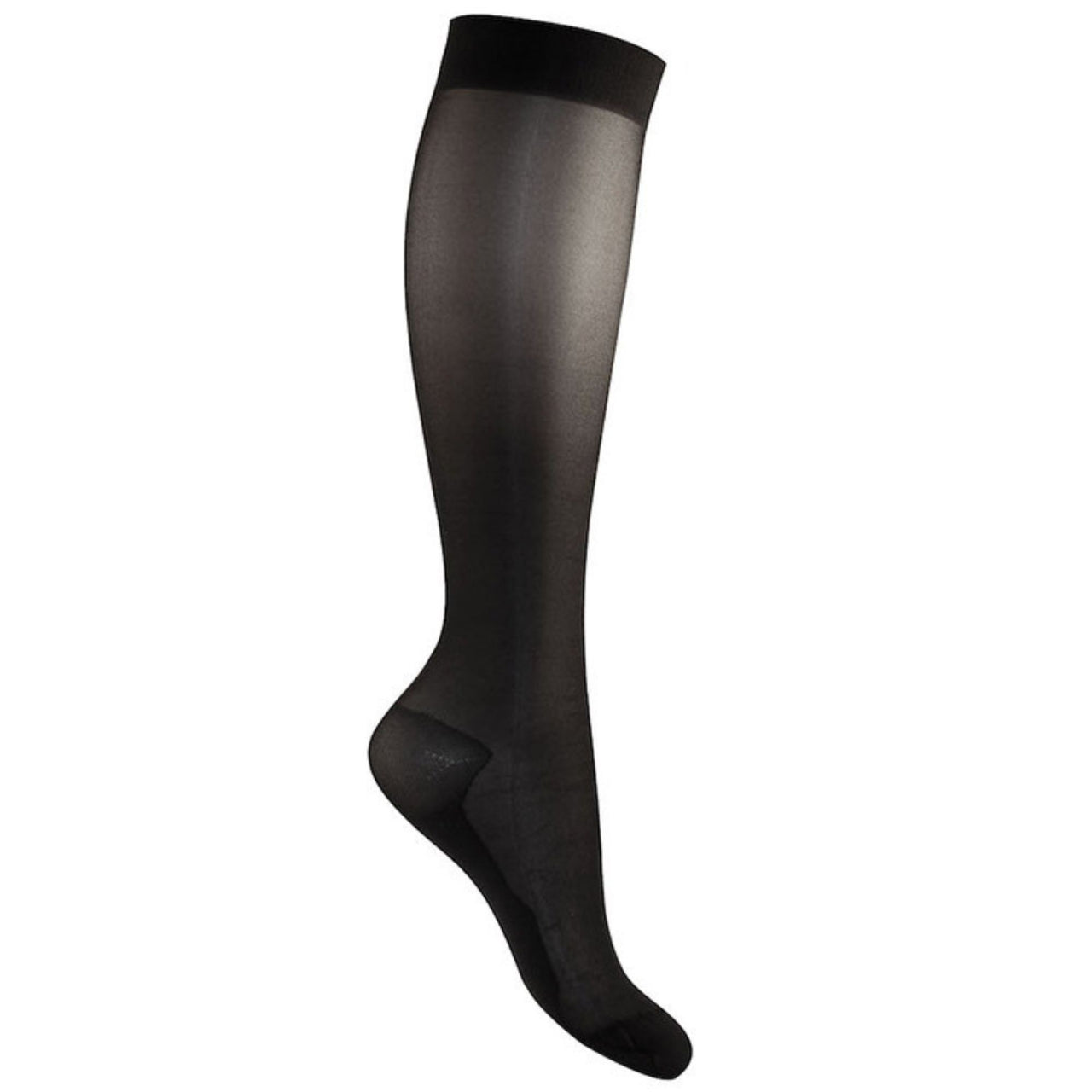
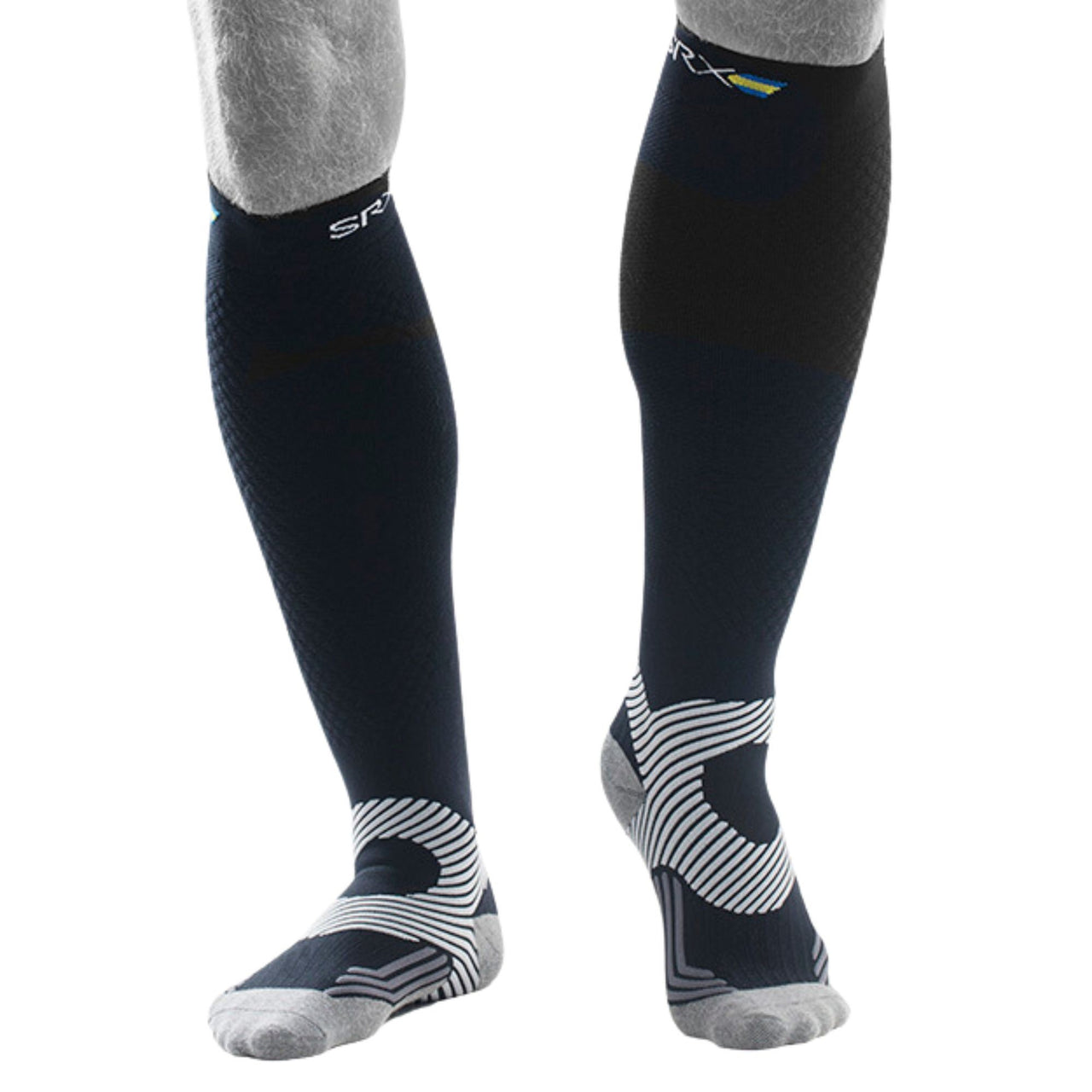
Tukisukat ovat yleinen ja tehokas keino vähentää turvotusta ja parantaa verenkiertoa. Suurin osa tukisukistamme on kompressioltaan I-luokkaa ja ne tarjoavat asteittaista kompressiota 15–21 mmHg.
Katso kaikki tuotteet, jotka voivat ehkäistä turvonneita jalkoja
Jalkojen nostaminen ja säännöllinen liikunta auttavat myös. Jotkut voivat hyötyä pohjetuista alaraajoissa fyysisen aktiviteetin aikana.
Blogikirjoituksessamme voit lukea lisää siitä, miten voit ehkäistä turvonneita jalkoja arjessa.
Liittyvät vammat
Lisätietoa jalkoihin ja pohkeisiin liittyvistä ongelmista löydät lisää artikkeleita Loukkaantumisopas Jalat. Voit myös siirtyä Loukkaantumisoppaan pääsivulle lukeaksesi muista vammoista ja oireista.