Pitkäaikainen näyttöaika on nykyään yksi yleisimmistä syistä niskan ja hartioiden jännityksiin. Riippumatta siitä, työskenteletkö tietokoneella, käytätkö puhelinta tai katsotko tablettia, se tarkoittaa usein, että päätä pidetään kevyesti eteenpäin kallistettuna pitkään. Ei ole yksittäistä liikettä, joka aiheuttaa vaivoja – vaan staattinen kuormitus ajan myötä.
Jos haluat lukea lisää oireista ja taustasyistä, suosittelemme loukkaantumisopastamme niskavaivoista ja hartiaongelmista.
Mitä kehossa tapahtuu, kun näyttöaika on pitkä?
Kun pää kallistuu eteenpäin, kuormitus niskan lihaksille kasvaa. Mitä pidemmälle pää on eteenpäin, sitä enemmän lihasten on työskenneltävä stabiloidakseen.
Se voi johtaa:
- Lisääntyneeseen lihasjännitykseen niskassa ja hartioissa
- Väsyneisiin tuntemuksiin lapaluiden välissä
- Jäykkyyteen rintarangassa
- Päänsärkyyn
Kuormitus on erityisen ilmeistä, kun asento pidetään ilman taukoja.
Onko ongelma itse asennossa?
Ei välttämättä. Kehon on mahdollista sietää monia erilaisia asentoja – mutta ei samaa asentoa liian pitkään. Kysymys on siis kestoajasta, ei itsessään "väärästä" asennosta, joka useimmiten on ratkaiseva. Vaihtelu on tärkeämpää kuin täydellisyys.
Kuinka voit vähentää niska- ja hartiajännityksiä?
Säädä näytön korkeutta
Näytön yläreunan tulisi olla suunnilleen silmien korkeudella, jotta sinun ei tarvitse kallistaa päätä eteenpäin.
Ota mikro taukoja
Seiso ylös, pyörittele hartioita ja liikuta niskaasi 30–60 minuutin välein.
Vaihda työasentoa
Jos mahdollista, vaihtele istuvan ja seisovan työn välillä.
Harjoita ryhtilihaksia
Voimaharjoitukset rintarangalle ja takahartioille voivat vähentää kuormitusta ajan myötä.
Auttaako lämpö jäykässä niskassa?
Lämpö voi lisätä verenkiertoa ja vähentää jännittyneiden lihasten koettua jäykkyyttä. Se on kuitenkin oireita lievittävä toimenpide – ei ratkaisu perusongelmaan. Yhdistä lämpö mielellään liikuntaan ja ergonomisiin säätöihin.
Voiko tuki tai apuvälineet auttaa?
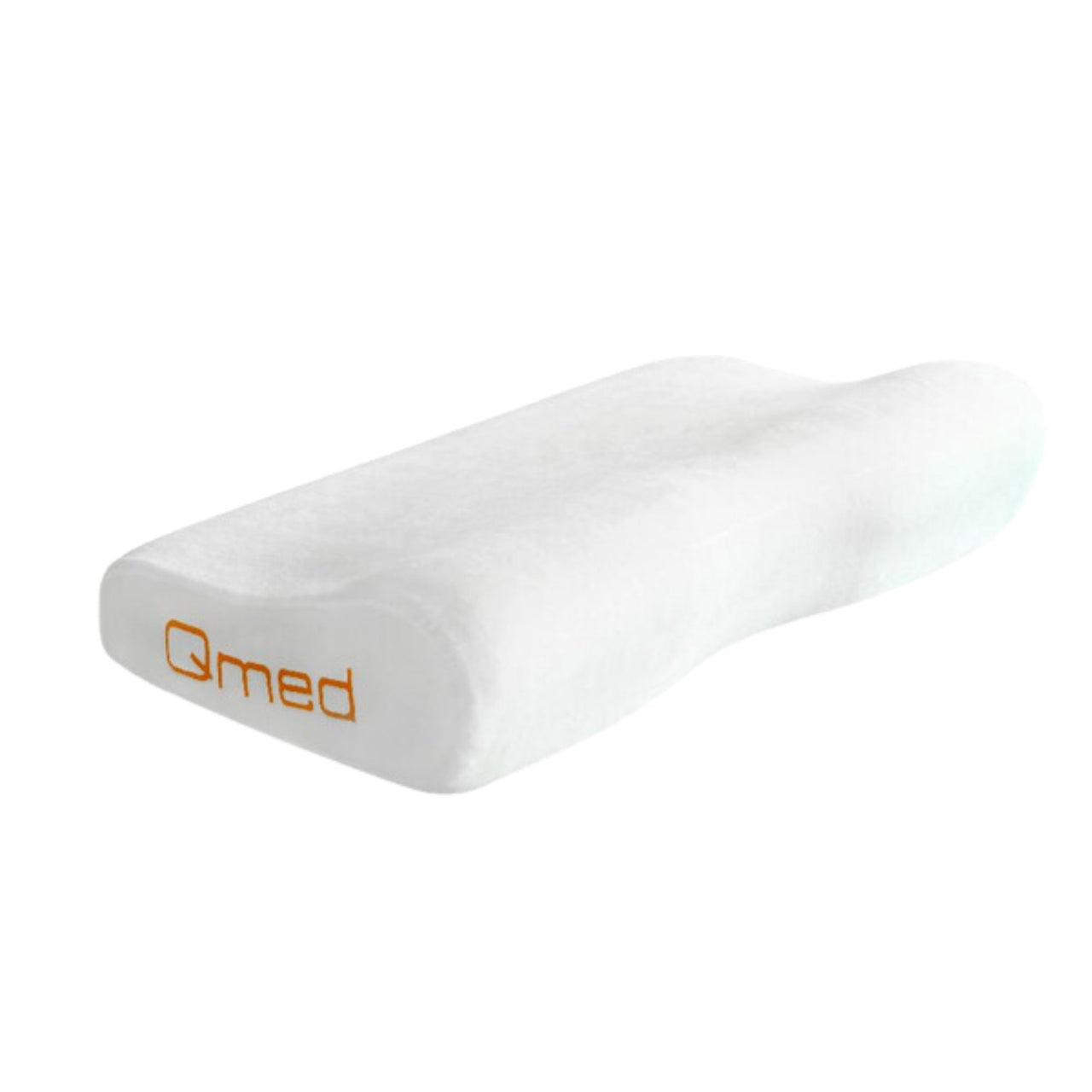
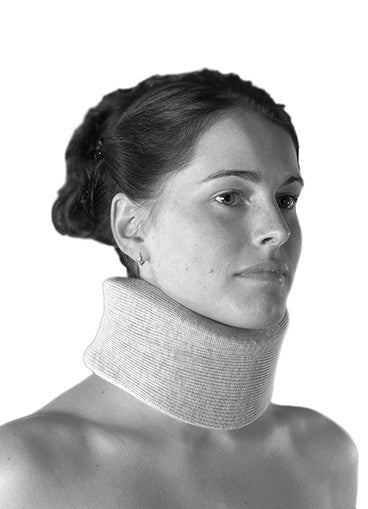
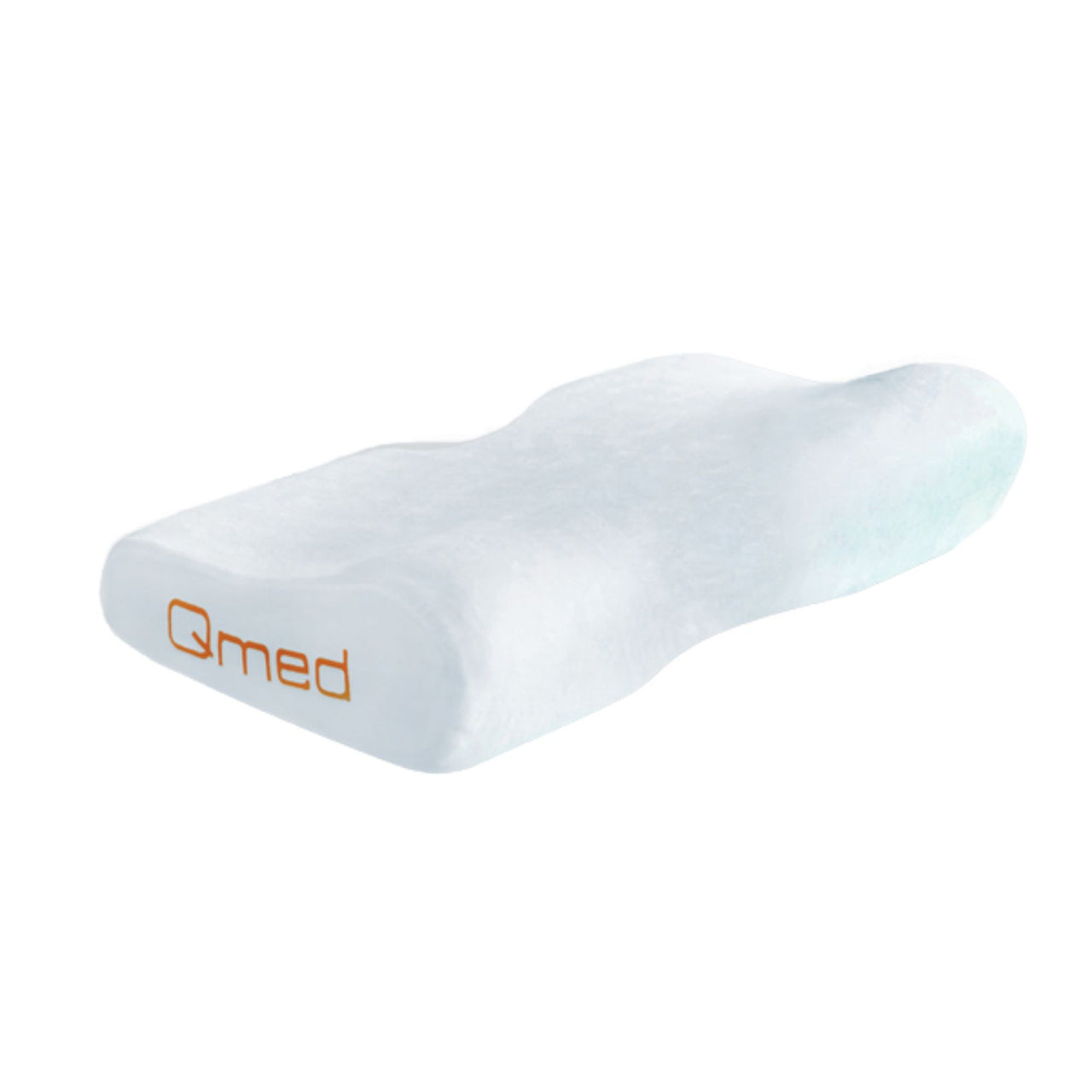
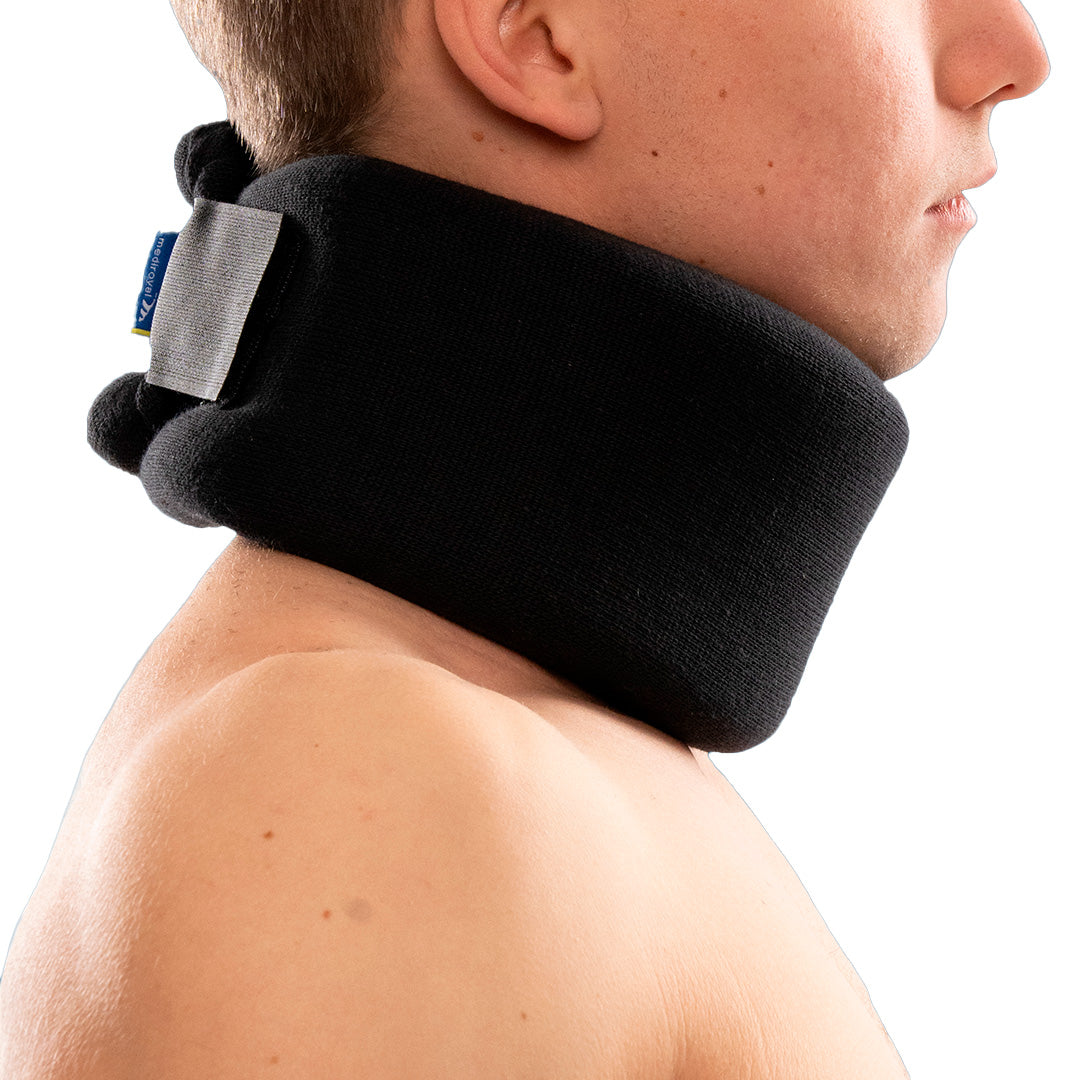
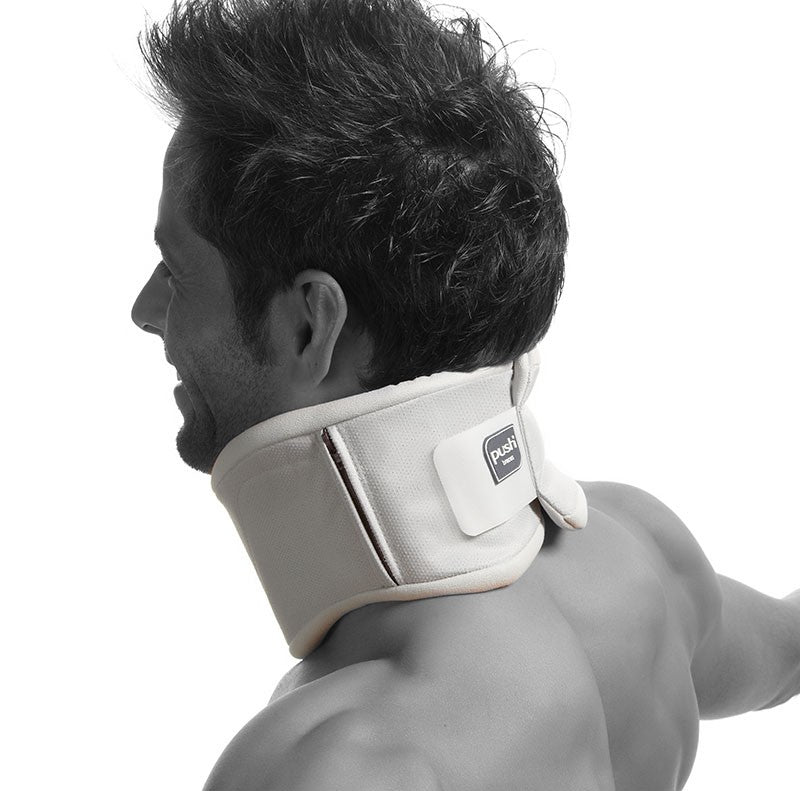
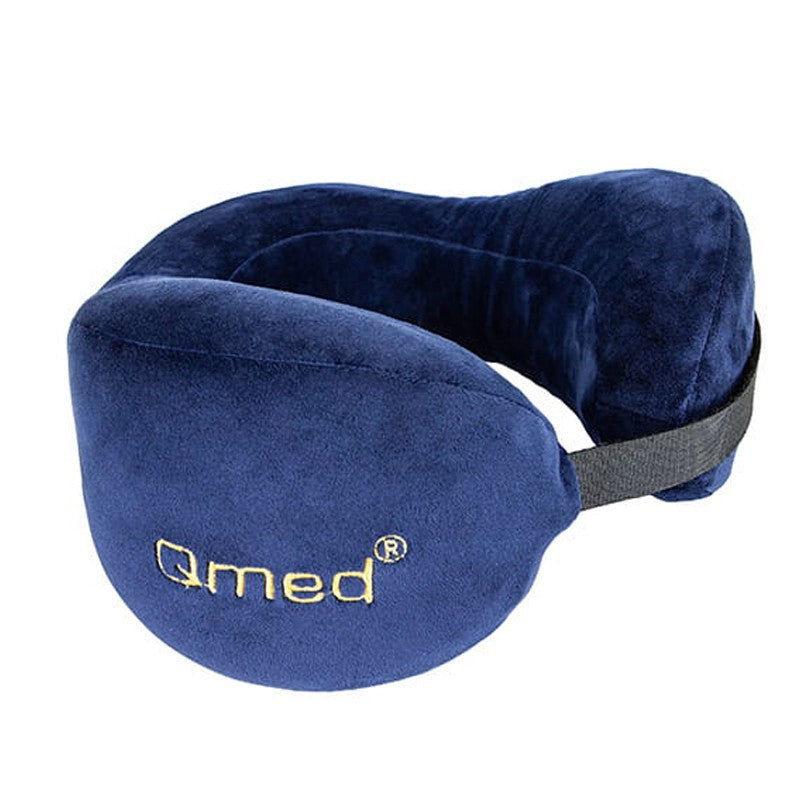
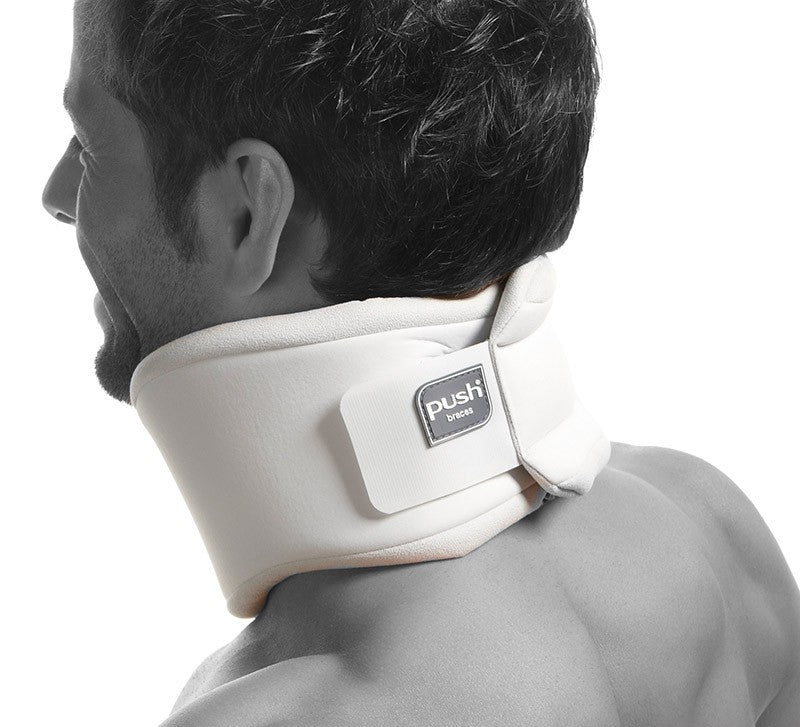
Tuotteet kuten ...
... voivat edistää parempia edellytyksiä neutraalille asennolle niskassa ja hartioissa, erityisesti pidempien työpäivien aikana. On kuitenkin tärkeää, että niitä käytetään aktiivisten taukojen ja harjoittelun lisänä.
Yhteenveto
Pelkkä näyttöaika ei ole vaarallista niskalle – mutta staattinen kuormitus ajan myötä voi edistää niska- ja hartiajännityksiä. Vaihtelemalla asentoa, pitämällä taukoja ja vahvistamalla rintarangan ja hartioiden lihaksia voit vähentää toistuvien vaivojen riskiä.
Pienet säädöt arjessa tekevät usein suuren eron ajan myötä.
Haluatko parantaa työskentelymukavuuttasi?
Katso valikoimamme niskalle ja hartioille, mukaan lukien ergonomiset tyynyt ja tuet, jotka voivat edistää parempaa kuormituksen jakautumista työpäivän aikana.
Jos haluat ymmärtää enemmän oireista, syistä, hoidosta ja siitä, milloin on viisasta hakeutua hoitoon, suosittelemme loukkaantumisopastamme niskavaivoista ja hartiaongelmista.
Jos tarvitset apua oikean tuotteen valinnassa vaivojesi perusteella, olet aina tervetullut ottamaan yhteyttä fysioterapeuttiimme saadaksesi henkilökohtaista neuvontaa.