Kantapään alla oleva rasvakudos toimii normaalisti yhtenä kehon tehokkaimmista iskua vaimentavista rakenteista. Kun sidekudos heikkenee, rasvakudos voi työntyä ulospäin ja menettää iskua vaimentavan toimintonsa, mikä johtaa kipuun ja epämukavuuteen kuormituksen aikana. Tätä tilaa kutsutaan usein rasvakudosoireyhtymäksi, ja se voi vaikeuttaa kävelyä tai seisomista pitkään.
Mitkä ovat kuluneet kantapään pehmusteet?
Kuluneet kantapään pehmusteet ovat tila, jossa kantapään alla oleva rasvakudos menettää iskua vaimentavan toimintonsa. Kun kudos puristuu sivuille, suoja iskuilta heikkenee ja kuormitus kantaluulle kasvaa.
Normaalisti rasvakudos pidetään paikoillaan pienillä sidekudososastoilla, jotka vakauttavat pehmusteen kantaluun alla. Kun nämä rakenteet heikkenevät, rasvakudos voi työntyä sivuille sen sijaan, että se olisi suojaavasti kantapään alla. Tämän seurauksena iskua vaimennus heikkenee ja kuormitus kohdistuu suoraan kantaluuhun.
Oireet
- Kipua kantapäässä kävellessä ja kuormituksen aikana
- Herkkä alue kantapään reunoilla
- Kyhmyjä kantapään ulkoreunalla
- Kantapään kulmikas tai leveämpi muoto
- Kantapään pehmuste tuntuu ohuelta ja kantaluun tuntee selvästi painettaessa.
Kuluneiden kantapään pehmusteiden oireet pahenevat usein aktiviteeteissa, joissa kantapää altistuu toistuville iskuille tai pitkäaikaiselle kuormitukselle.
Milloin kuluneet kantapään pehmusteet aiheuttavat eniten kipua?
Kipu ilmenee usein tilanteissa, joissa kantapää altistuu toistuville iskuille tai paineelle.
Kävely kovilla pinnoilla
Asfaltti, betoni ja muut kovat pinnat lisäävät kuormitusta kantapäälle, kun iskua vaimennus on heikentynyt.
Pitkät kävelyt tai seisomistyö
Kun kantapää kuormittuu pitkään, kipu voi vähitellen lisääntyä.
Kävely paljain jaloin
Ilman kenkiä tai iskua vaimentavaa materiaalia kantaluu altistuu suoraan paineelle pinnasta.
Ohuiden tai kovien kenkien käyttö
Kengät, joissa ei ole riittävää iskua vaimennusta, voivat tehdä vaivoista selvempiä.
Yleiset syyt & riskitekijät
Kuluneet kantapään pehmusteet johtuvat usein pitkäaikaisesta kuormituksesta kovilla pinnoilla, erityisesti huonosti iskua vaimentavissa kengissä. Toistuvat iskut, kuten juoksu tai työ, jossa kävellään ja seistään paljon, voivat edistää rasvakudoksen vähittäistä heikkenemistä.
Muita riskitekijöitä ovat nopea painonnousu, paljain jaloin kävely kovilla pinnoilla sekä ikääntymiseen liittyvät luonnolliset muutokset sidekudoksessa, jotka saavat rasvakudoksen menettämään kimmoisuutensa. Iän myötä kudos usein ohenee, mikä voi vähentää iskua vaimennusta.
Milloin sinun pitäisi hakeutua hoitoon?
Jos kantapään kipu on jatkuvaa eikä parane huolimatta kuormituksen vähentämisestä, paremmista kengistä tai iskua vaimentavista apuvälineistä, sinun tulisi ottaa yhteyttä terveydenhuoltoon arviointia varten. Sama pätee, jos kipu on voimakasta tai jos sinulla on vaikeuksia kuormittaa jalkaa normaalisti.
Suositellut suojat & tuet
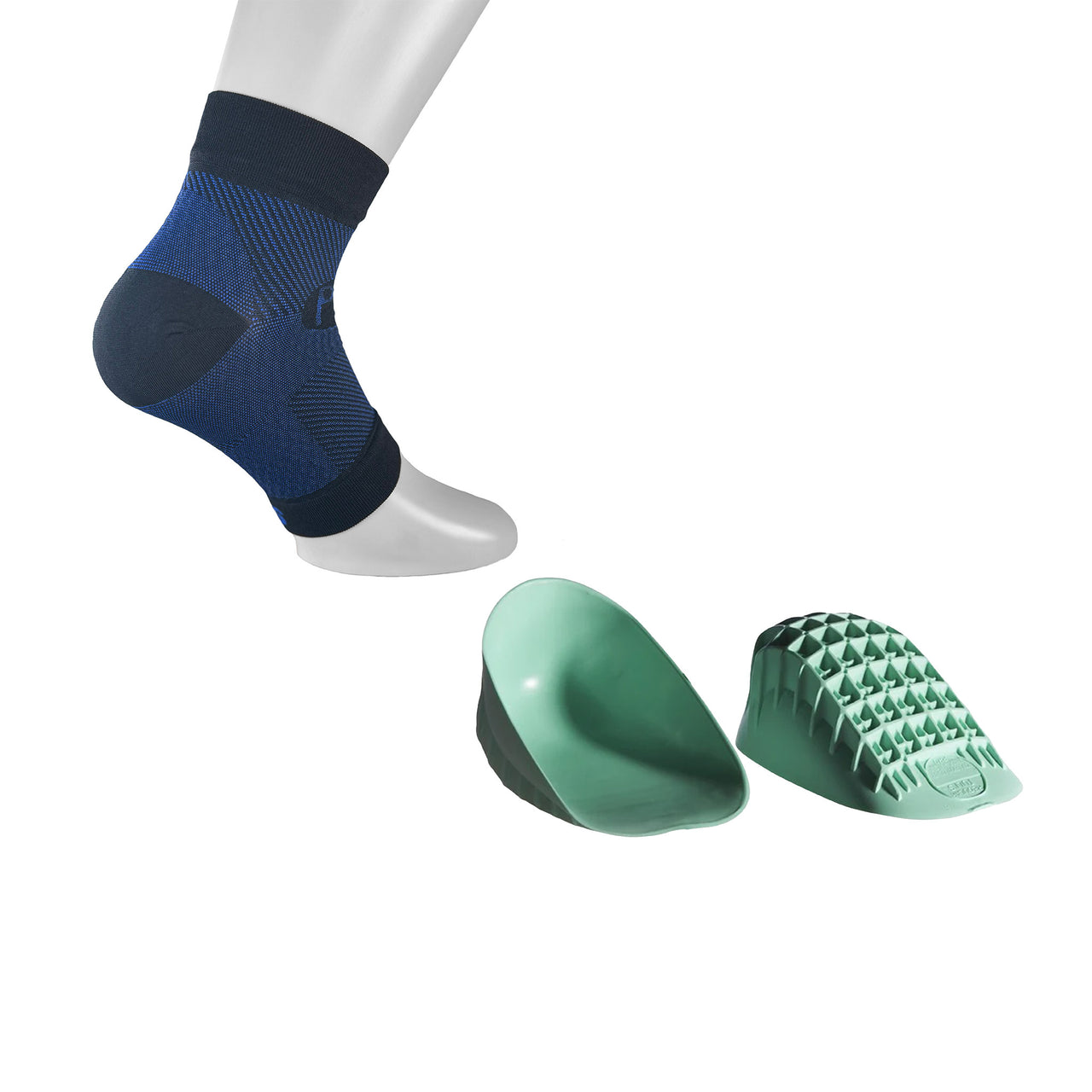
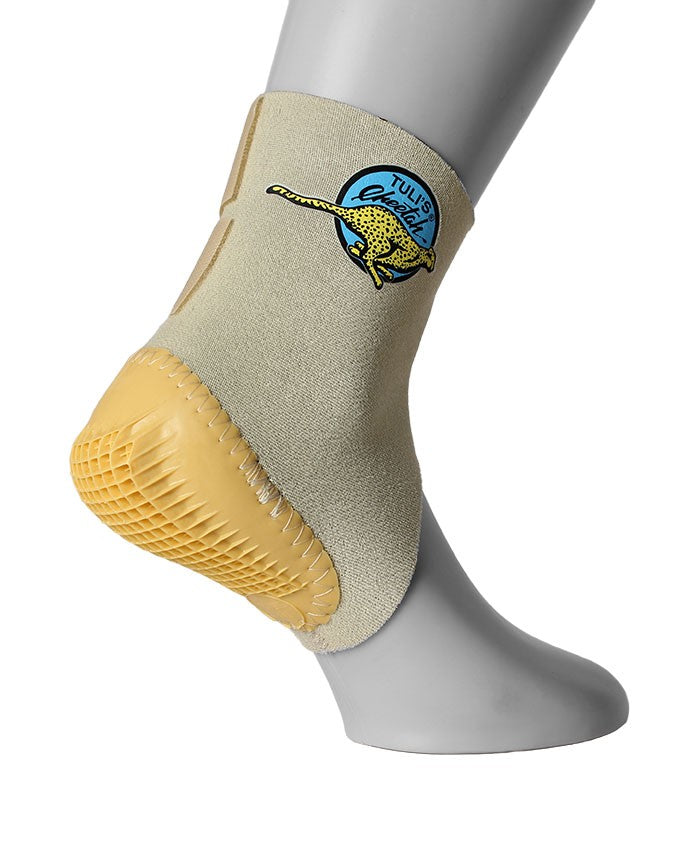
Kuluneiden kantapään pehmusteiden kohdalla oikea suoja ja iskua vaimennus voivat auttaa vähentämään kipua ja lisäämään mukavuutta arjessa. Kantapään kuppi on usein tehokkain apu, koska se yhdistää iskua vaimennuksen ja stabiloinnin.
Kantapään kuppi kerää rasvakudoksen kantaluun alle ja estää kudosta puristumasta sivuille. Näin palautuu luonnollisempi iskua vaimennus ja kuormitus kantapään ulkoreunalla vähenee. Anatomisesti muotoillut kantapään kupit kestävästä ja iskua vaimentavasta materiaalista voivat siten tarjota merkittävää helpotusta ja helpottaa kävelyä ja seisomista ilman kipua.
Katso kaikki suojat ja tuet, jotka voivat lievittää kuluneiden kantapään pehmusteiden aiheuttamaa painetta
Liittyvät vammat
Lisätietoja jalasta ja kantapäästä voit lukea Loukkaantumisopas Jalka & Kantapää. Voit myös siirtyä Loukkaantumisoppaan pääsivulle lukeaksesi muista vammoista ja oireista.
Loukkaantumisopas – nopea opastus yleisiin vammoihin
Loukkaantumisoppaassamme saat selkeää ja helposti ymmärrettävää tietoa yleisistä vammoista, niiden syntymisestä ja tavallisista oireista. Saat myös suosituksia siitä, mitkä suojat ja apuvälineet voivat lievittää vaivojasi ja auttaa sinua kuntoutuksessa eteenpäin. Kaikki tieto perustuu asiantuntijatietoon laillistetulta fysioterapeutiltamme.
Löydä oikeat tuet tarpeisiisi
Oikean tuotteen löytämiseen verkkosivustoltamme on useita tapoja. Henkilökohtaisemman valinnan tekemiseksi voit käyttää suodattimia ja lajitella vamman, kehonosan tai lajin mukaan. Voit myös saada apua AI-assistentiltamme Eiriltä, joka on koulutettu kaikesta verkkosivustomme sisällöstä ja voi auttaa sinua tuotesuosituksissa, istuvuuskysymyksissä ja tilaukseen liittyvissä asioissa – ympäri vuorokauden. Jos haluat mieluummin keskustella suoraan laillistetun fysioterapeuttimme Idan kanssa, voit tavoittaa hänet sähköpostitse saadaksesi henkilökohtaista neuvontaa ja tukea tuotevalinnassasi.