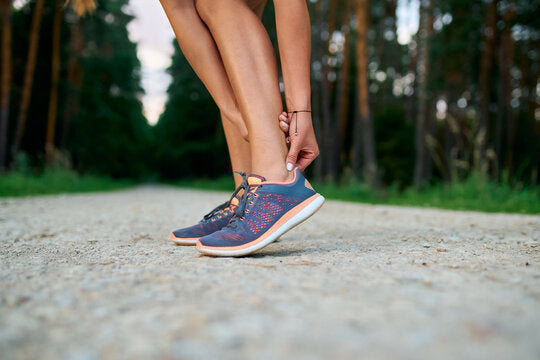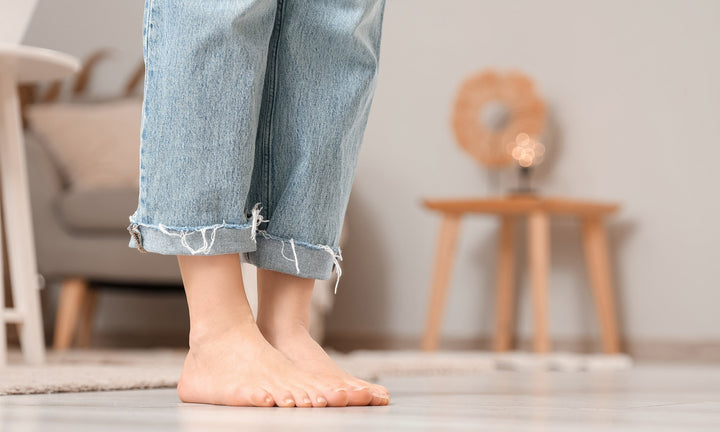

Severin tauti, jota kutsutaan myös apofysiitiksi, on yksi yleisimmistä syistä, miksi 8–15-vuotiaat lapset kokevat kipua kantapäissään. Tämä tila on vaaraton ja ohimenevä, mutta se voi aiheuttaa voimakasta kipua aktiviteettien aikana. Oikea vaimennus ja iskunvaimennus voivat tehdä suuren eron lapsen päivittäisessä elämässä.
Mitkä ovat Severin taudin syyt?
Severin tauti on ylikuormitusvamma kantapään kasvulevyssä lapsilla ja nuorilla. Kun kuormitus on liian suuri yhdistettynä nopeaan kasvuun, voi syntyä ärsytystä alueella, jossa akillesjänne kiinnittyy kantaluuhun.
Tila syntyy, koska kasvulevy on heikompi kuin jänteet ja lihakset lapsuudessa. Kipu voi vaihdella ajan myötä, mutta yleensä se häviää, kun lapsi on kasvanut täyteen mittaansa. Severin tauti muistuttaa Osgood-Schlatterin tautia polvessa ja voi joskus esiintyä samanaikaisesti.
Oireet
- Kipua kantapäässä kuormituksen aikana, erityisesti urheilussa
- Arkuus ja joskus lievä turvotus kantapään alueella
- Lapsi ontuu tai ei uskalla laskea kantapäätä täysin alas
- Lapsi saattaa joskus kävellä enemmän varpaillaan vähentääkseen painetta kantapäälle
- Jaksoja, jolloin vaivat ovat enemmän tai vähemmän voimakkaita
Severin taudin oireet pahenevat usein tilanteissa, joissa kantapää altistuu toistuville iskuille tai suurelle kuormitukselle. Monet lapset kokevat vähemmän kipua käyttäessään vaimennettuja kenkiä, kun taas paljain jaloin kävely kovilla lattioilla voi tehdä vaivoista selvempiä.
Milloin Severin tauti sattuu eniten?
Severin taudin kipu esiintyy usein tietyissä tilanteissa, joissa kantapäätä kuormitetaan enemmän.
Juoksun ja hyppimisen aikana
Toistuvia iskuja aiheuttavat aktiviteetit, kuten jalkapallo tai voimistelu, ovat yleisiä laukaisevia tekijöitä.
Harjoituksen tai ottelun jälkeen
Lapsi voi tuntea enemmän kipua aktiviteetin jälkeen kuin itse harjoituksen aikana.
Kun lapsi kävelee paljain jaloin kovalla lattialla
Ilman kenkiä ja vaimennusta paine kantapäälle kasvaa.
Yleiset syyt ja riskitekijät
8–15-vuotiaat lapset ovat eniten vaarassa, koska kantapään kasvulevy on heikompi kuin jänteet ja nivelsiteet. Intensiivinen harjoittelu, vähäinen vaihtelu aktiviteeteissa ja rajoitettu lepo lisäävät riskiä.
Kireät pohjelihakset, nopea kasvu ja aktiviteetit, joissa on paljon hyppyjä tai nopeita suuntamuutoksia, voivat myös edistää vamman kehittymistä. Ongelma koskettaa usein aktiivisia lapsia, mutta myös alhaisemman aktiivisuustason lapset voivat kokea vaivoja.
Milloin tulisi hakeutua hoitoon?
Jos lapsella on jatkuvaa tai voimakasta kipua, joka vaikuttaa päivittäisiin aktiviteetteihin, terveydenhuoltoa tulisi ottaa yhteyttä arviointia varten. On kuitenkin tärkeää korostaa, että Severin tauti on täysin vaaraton ja ohimenevä.
Suositellut suojat ja tuet
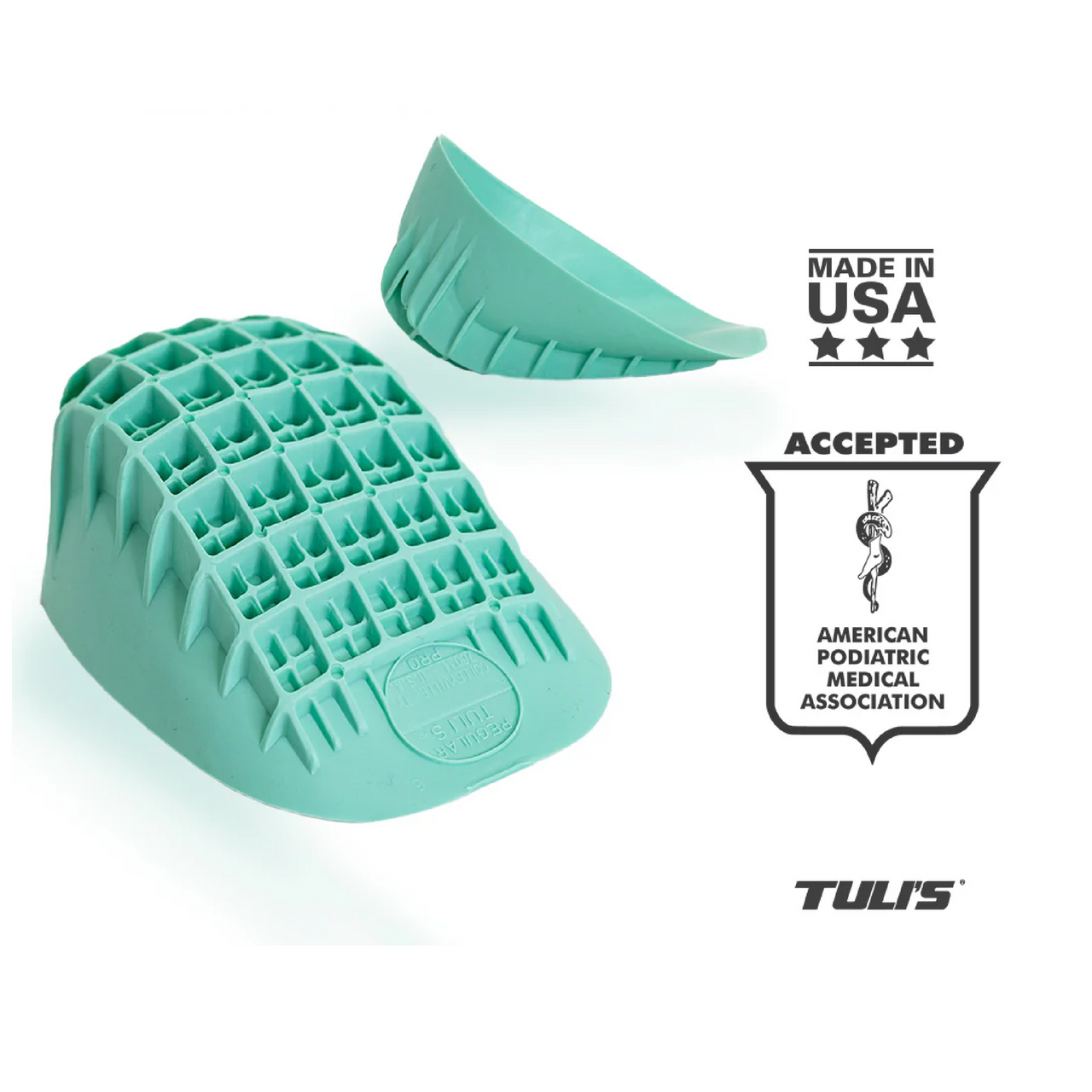
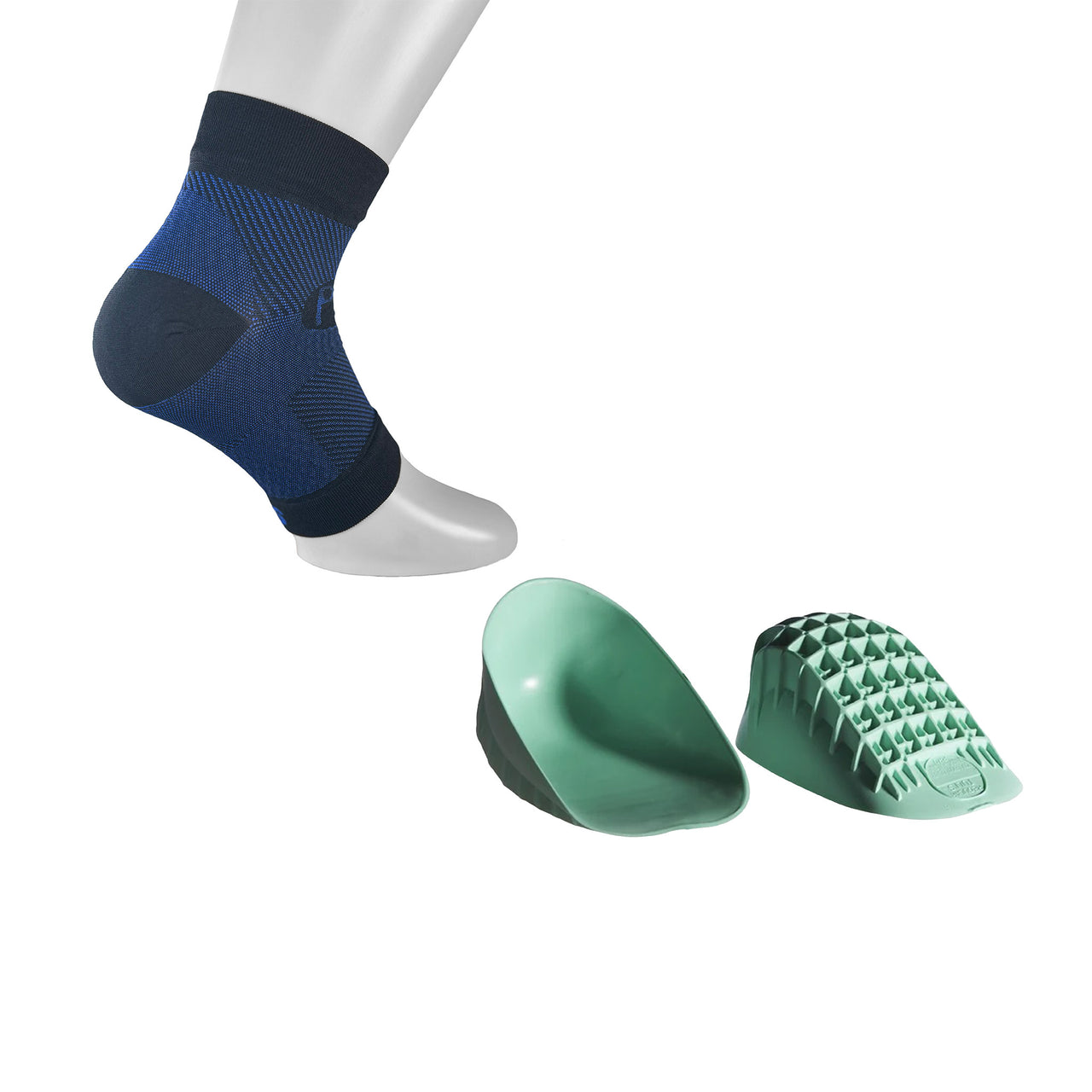
Severin taudissa oikea suoja ja kuormituksen vähentäminen voivat auttaa vähentämään kipua ja lisäämään mukavuutta arjessa ja urheilussa. Erityisesti suunniteltu kantapääkuppi lapsille voi tarjota tehokasta helpotusta Severin vamman yhteydessä.
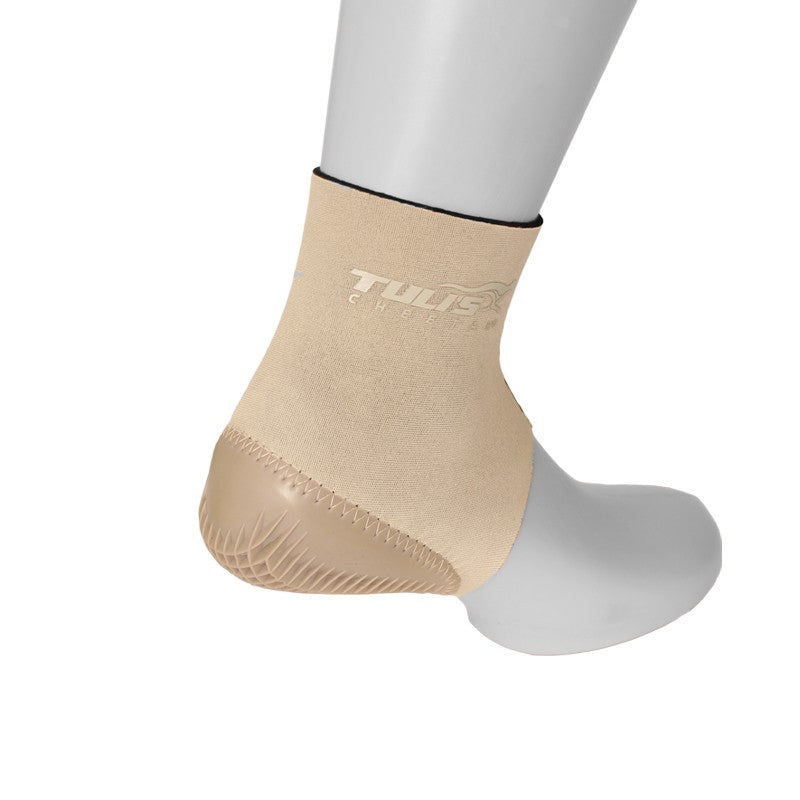
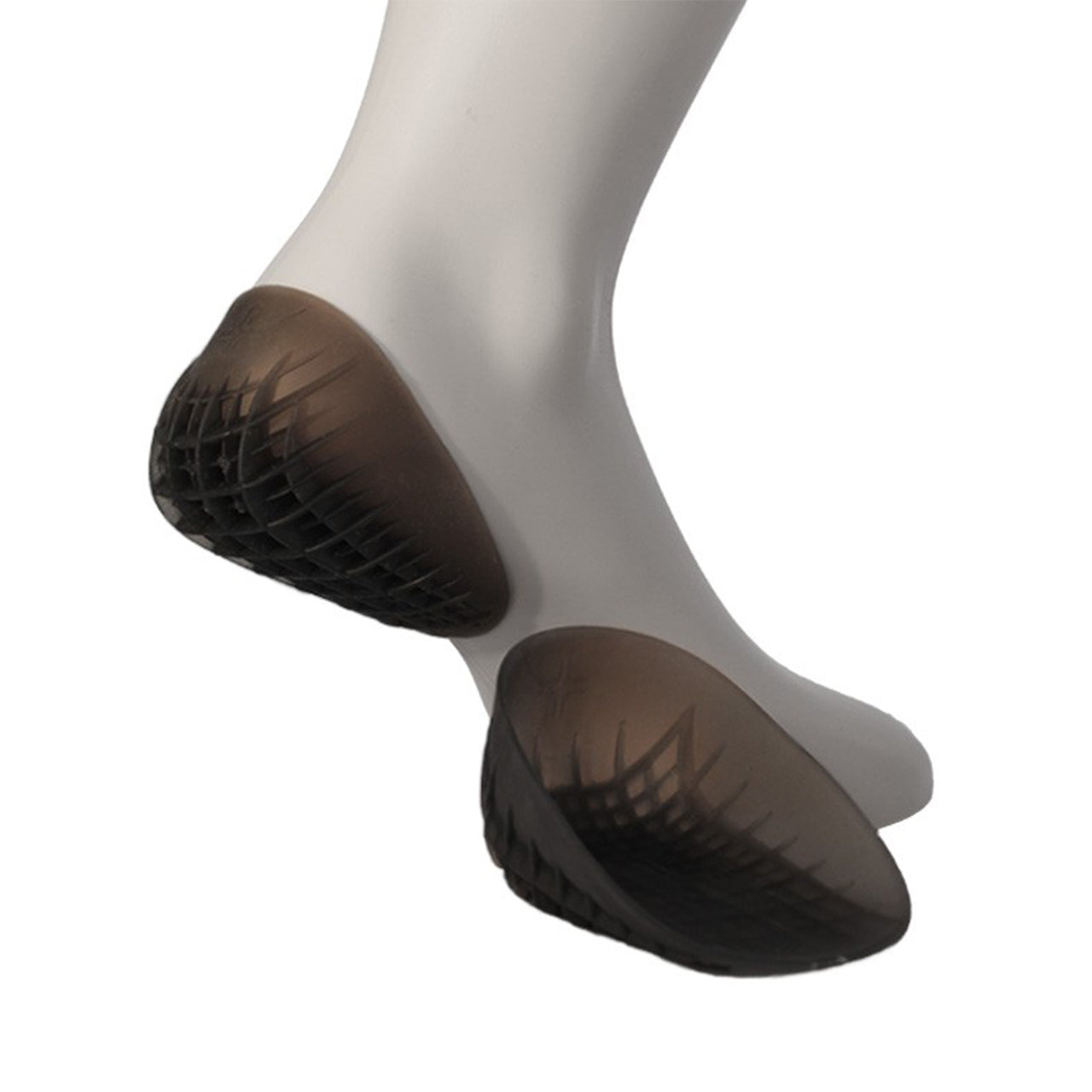
Kantapääkuppi vaimentaa iskuja jokaisella askeleella ja kerää rasvakudoksen kantapään alle lisätuen saamiseksi. Tulos on pehmeämpi kantapään iskeminen ja usein suora kivunlievitys. Kantapääkuppia voidaan käyttää sekä kengissä että sukissa, esimerkiksi koulussa tai vapaa-ajalla.
Parhaan tuloksen saavuttamiseksi sen tulisi olla oikean kokoinen, jotta se ympäröi kantapään kunnolla ja tarjoaa optimaalisen iskunvaimennuksen yhdistettynä vakauteen.
Katso kaikki tuet ja suojat, jotka voivat vähentää Severin tautia
Liittyvät vammat
Lisätietoja jaloista ja kantapäistä voit lukea Loukkaantumisopas Jalka & kantapää. Voit myös siirtyä Loukkaantumisoppaan pääsivulle lukeaksesi muista vammoista ja oireista.