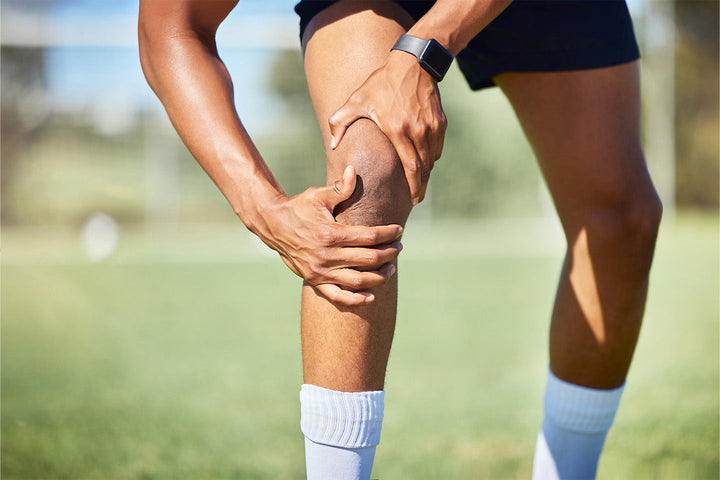

Meniskivamma on yksi yleisimmistä polvivammoista ja se vaikuttaa joko polven sisäiseen tai ulkoiseen meniskiin. Vamma voi aiheuttaa kipua, jäykkyyttä ja joskus polven lukkiutumista. Oireet voivat ilmetä äkillisesti vammatilanteessa tai kehittyä vähitellen ajan myötä.
Mitkä ovat meniskivamman oireet?
Meniskivamma tarkoittaa, että jokin polven meniskuista on revennyt tai vaurioitunut. Meniskit ovat rustolevyjä, jotka toimivat iskunvaimentimina ja stabiloijina polvinivelessä ja auttavat jakamaan kuormitusta reisiluun ja säären välillä.
Kun meniski vaurioituu, se voi menettää stabiloivan toimintonsa ja aiheuttaa kipua, turvotusta ja rajoitettua liikkuvuutta polvessa. Vauriot sisäisessä meniskissä ovat yleisimpiä ja aiheuttavat usein kipua polven sisäpuolella, kun taas ulkoisen meniskin vauriot aiheuttavat useammin kipua polven ulkopuolella.
Yleiset syyt & riskitekijät
Meniskivamma syntyy usein urheilun tai onnettomuuksien yhteydessä, joissa polvinivel altistuu voimakkaalle kiertovoimalle. Liikkeet, joissa jalka pysyy maassa samalla kun vartalo kiertyy, voivat aiheuttaa suurta rasitusta meniskille.
Syvät kyykkyliikkeet tai äkilliset suuntamuutokset voivat myös laukaista vamman. Riski kasvaa iän myötä, koska meniski heikkenee vähitellen rappeuttavien muutosten myötä.
Vauriot sisäisessä meniskissä ovat noin neljä kertaa yleisempiä kuin ulkoisen meniskin vauriot. Koska sisäinen meniski on kiinnittynyt sisäiseen sivusiteeseen (MCL), nämä rakenteet voivat joskus vaurioitua samanaikaisesti.
Oireet
- Kipua sisäisessä tai ulkoisessa nivelvälikössä, usein kuin puukonisku
- Lukkiutuminen tai vaikeus ojentaa/taivuttaa polviniveltä täysin
- Paikallista turvotusta vaurioituneen alueen päällä
- Jäykkyyttä ja kipua aktiviteetin jälkeen, erityisesti kyykistyessä
Meniskivamman oireet ilmenevät usein tilanteissa, joissa polviniveltä käännetään tai kuormitetaan taivutetussa asennossa.
Milloin meniskivamma sattuu eniten?
Meniskivamman kipu ilmenee usein tilanteissa, joissa polviniveltä kuormitetaan tai käännetään.
Kun polvea käännetään
Äkilliset suuntamuutokset voivat aiheuttaa voimakasta painetta meniskille.
Kun kyykistetään tai tehdään syviä kyykkyjä
Kun polvinivel taipuu syvälle, kuormitus meniskille kasvaa.
Kun kuormitetaan kävellessä tai fyysisessä aktiviteetissa
Kipu voi tuntua selvemmin, kun polvea käytetään aktiviteetin aikana.
Kun polvi yrittää ojentua täysin
Jotkut kokevat, että polvi lukkiutuu tai sitä ei voi ojentaa täysin.
Milloin tulisi hakeutua hoitoon?
Jos polvi lukkiutuu, on voimakasta kipua tai jatkuvaa epävakautta, polvinivel tulisi tutkia terveydenhuollon ammattilaisen toimesta. Hoitoa tulisi myös hakea, jos polvi turpoaa voimakkaasti tai jos on vaikeuksia kuormittaa jalkaa normaalisti.
Suositellut suojat & tuet
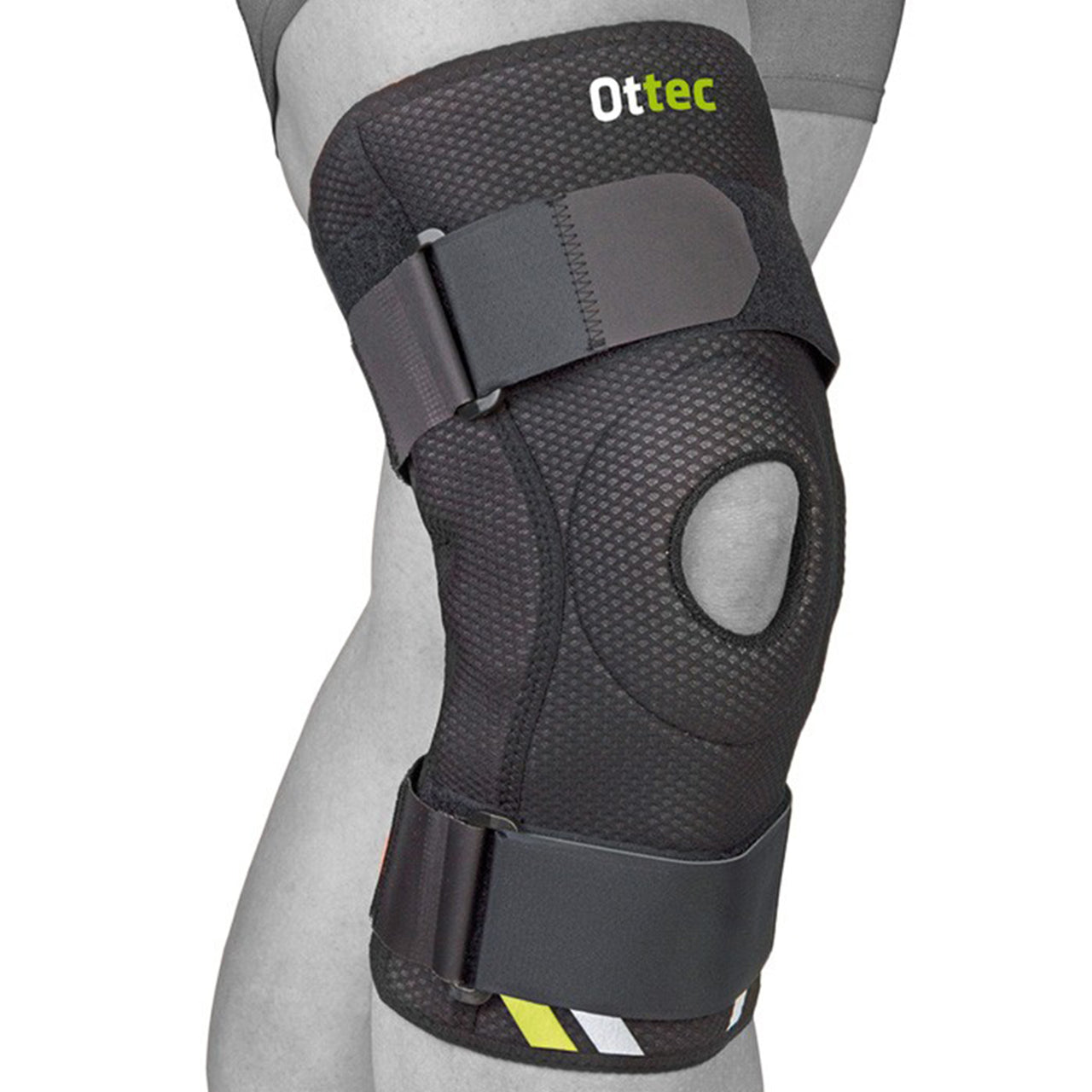
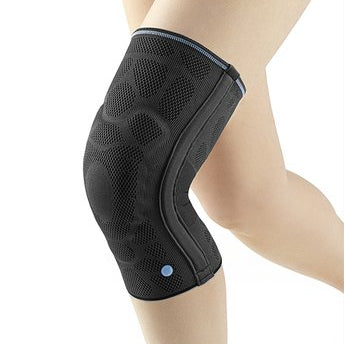
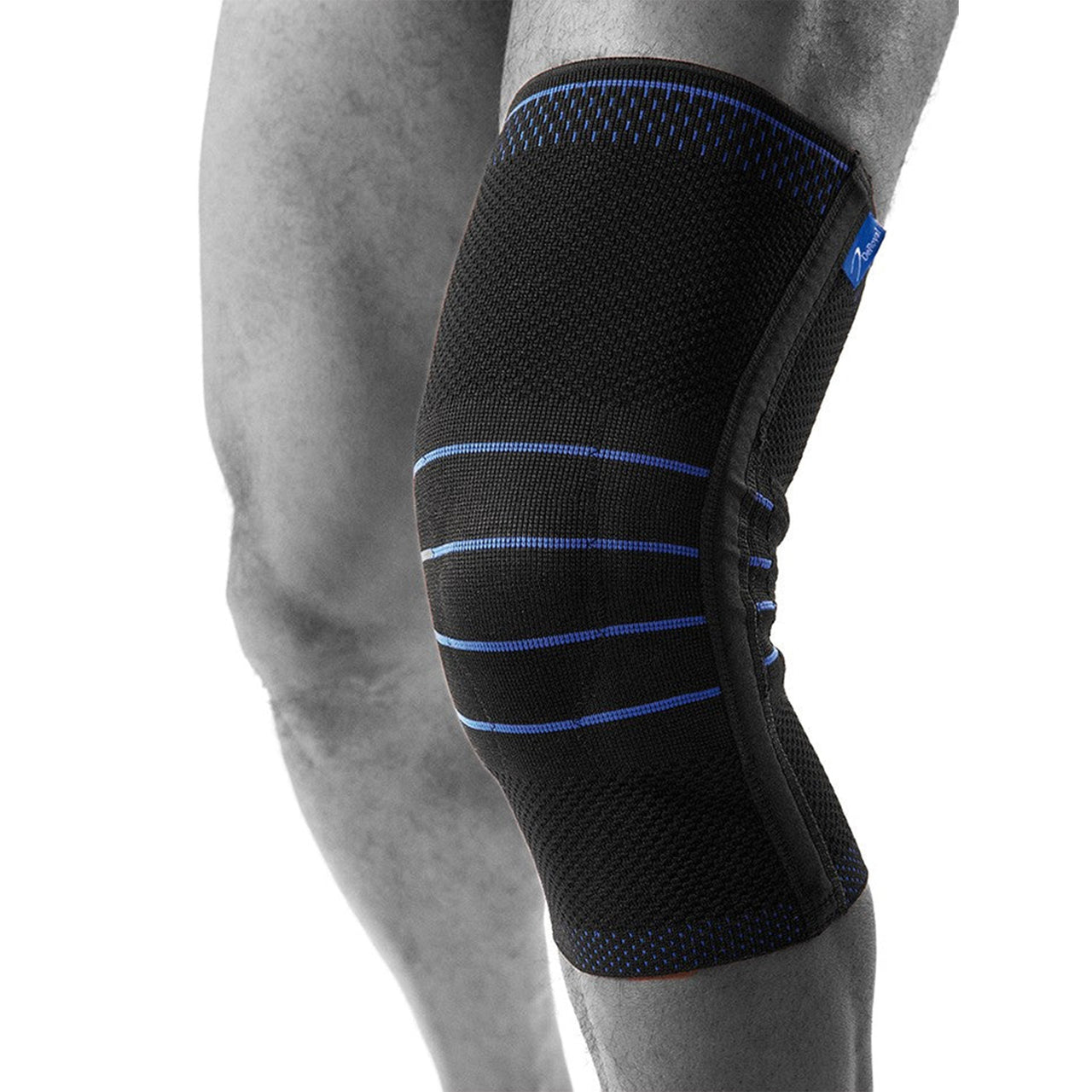
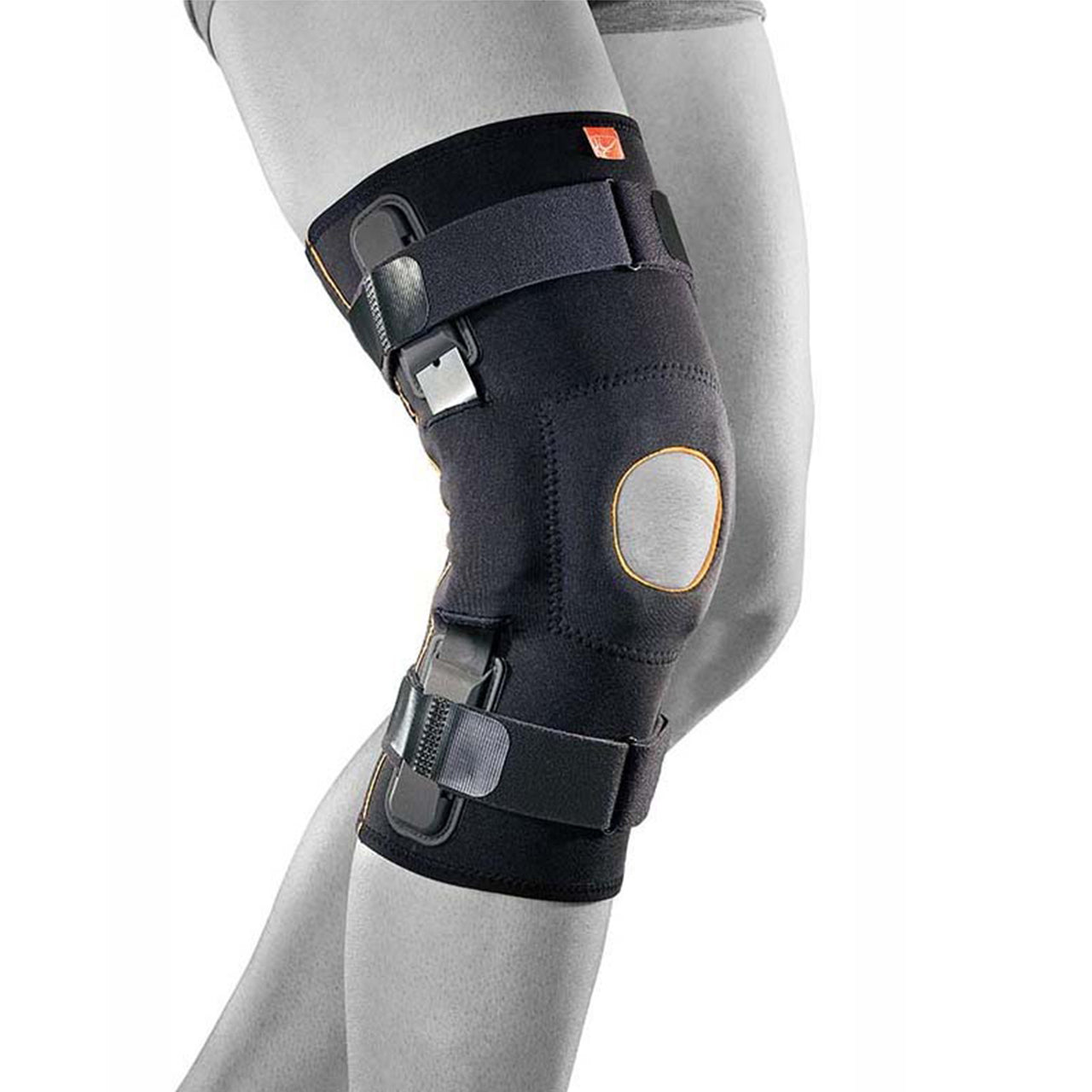
Meniskivamman yhteydessä oikea suojaus ja kuormituksen vähentäminen voivat edistää lisääntynyttä vakautta ja turvallisuutta arjessa ja aktiviteeteissa. Kompressiota antava polvituki voi auttaa stabiloimaan polviniveltä ja vähentämään turvotusta.
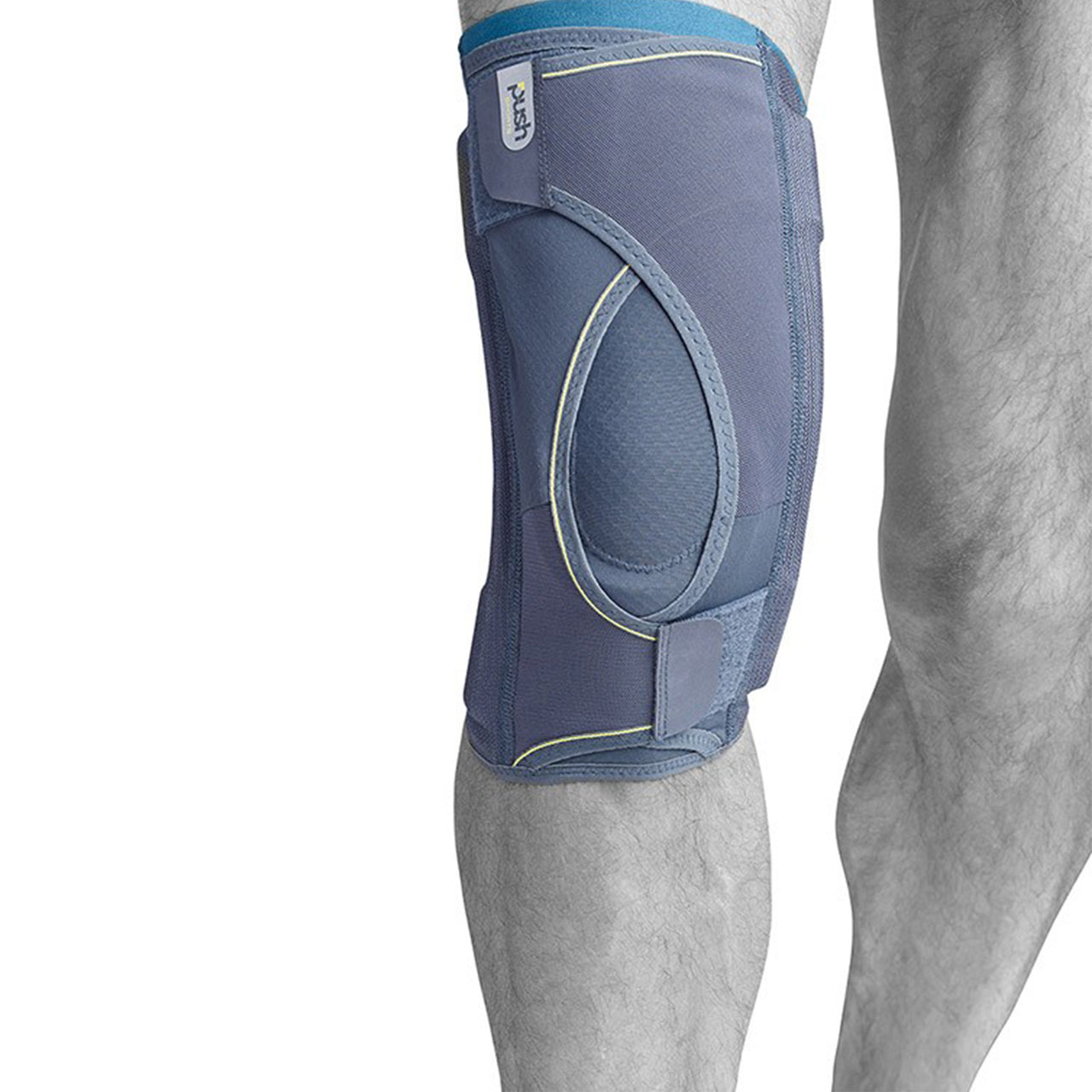
Jos epävakautta esiintyy, vakaampi polvituki, jossa on sivukuormitusta vähentävät tukiraudat, voi tarjota lisätukea ja hallintaa. Polvinivelen kuormitusta tulisi minimoida välttämällä syviä taivutuksia ja käännöksiä.
Voiman ja toiminnan palauttamiseksi kuntoutus yksilöllisesti räätälöityjen harjoitusten avulla fysioterapeutin ohjauksessa on usein tärkeä osa hoitoa.
Katso kaikki suojat ja tuet, jotka voivat vähentää kuormitusta meniskivammassa
Liittyvät vammat
Polven vammaoppaasta voit lukea lisää polven yleisimmistä vammoista ja vaivoista. Voit myös siirtyä Loukkaantumisoppaan pääsivulle lukeaksesi muista vammoista ja oireista.