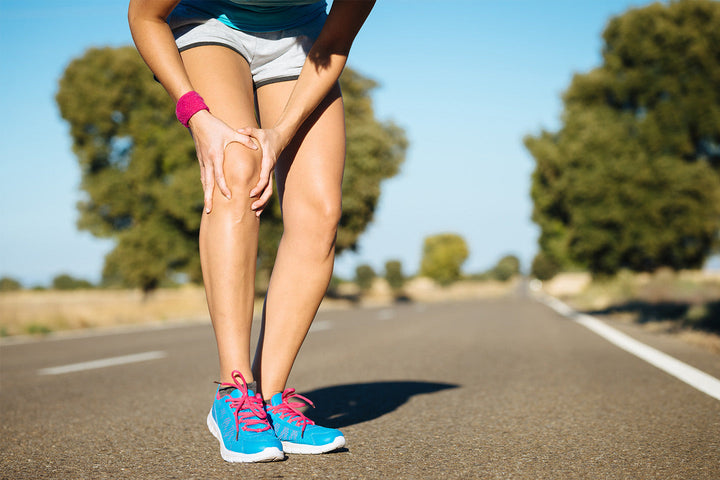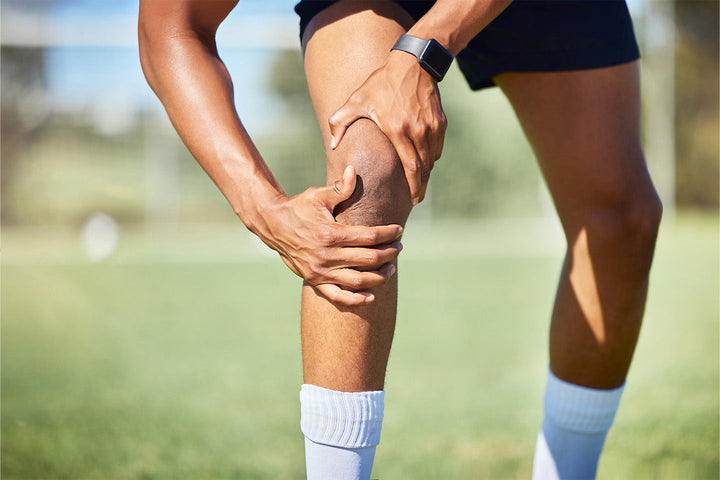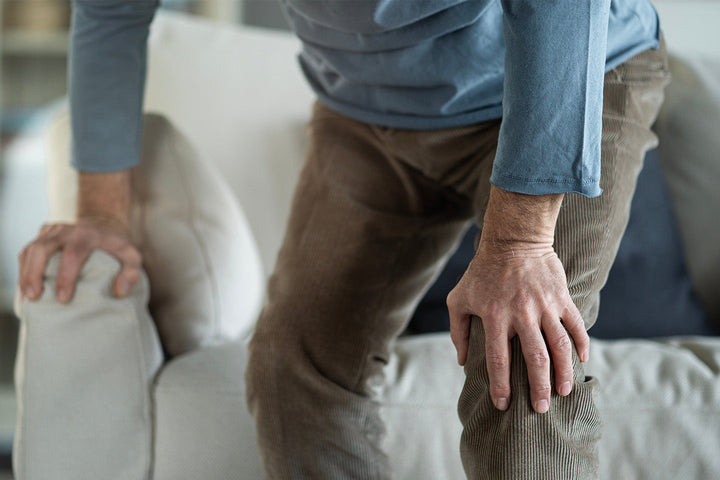
 Polven sivusiteen vamma on yleinen urheiluvamma, joka voi aiheuttaa kipua, turvotusta ja epävakauden tunnetta. Vamma syntyy usein kiertoliikkeiden tai nopeiden suuntamuutosten yhteydessä ja se voi vaikuttaa sekä päivittäiseen elämään että harjoitteluun. Tässä saat selkeän yleiskatsauksen oireista, syistä, milloin sinun tulisi hakeutua hoitoon ja kuinka oikea tuki ja kuntoutus voivat auttaa sinua takaisin raiteille.
Tämä loukkaantumisopas käsittelee polven sisäisten ja ulkoisten sivusiteiden vammoja. Lisätietoja ristisiteen vammoista löydät Loukkaantumisoppaasta eturistisiteen vamma ja takarinisiteen vamma.
Mitkä ovat sivusiteen vammat?
Sivusiteen vamma polvessa tarkoittaa, että yksi tai useampi polvinivelen stabiloiva sivuside on venynyt tai revennyt. Yleisimmät vammat kohdistuvat sisäiseen sivusiteeseen (MCL), mutta myös ulkoiseen sivusiteeseen (LCL). Vamma aiheuttaa usein kipua, turvotusta ja tunteen siitä, että polvi on epävakaa tai antaa periksi.
Yleiset syyt ja riskitekijät
Sivusiteen vammat syntyvät usein urheilussa, jossa on nopeita suuntamuutoksia, kiertoliikkeitä tai taklauksia – kuten jalkapallossa, käsipallossa tai hiihtämisessä. Kaatumiset, epätasaisessa maastossa kompastumiset tai äkilliset kiertoliikkeet voivat myös aiheuttaa vamman. Aiemmat polvivammat, lihasheikkous tai heikentynyt tasapaino voivat lisätä riskiä.
Oireet
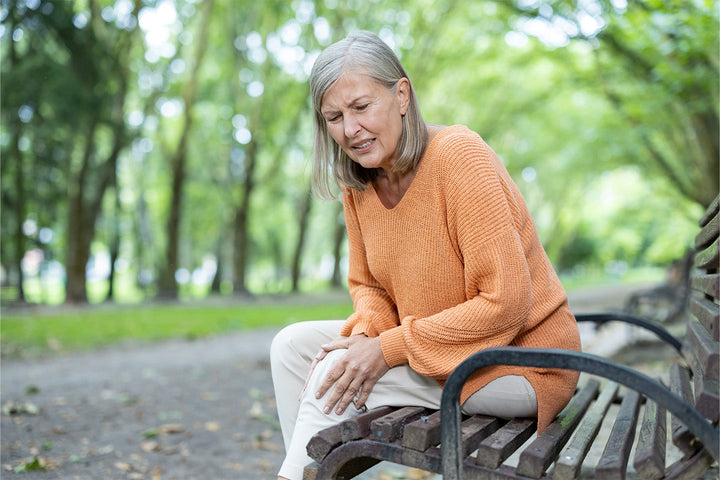
Oireet sisältävät kipua polven sisä- tai ulkopuolella riippuen siitä, mikä sivuside on vaurioitunut. Turvotus voi ilmetä heti tai muutaman tunnin kuluttua. Monet kokevat epävakautta, erityisesti sivuliikkeissä tai portaissa ja epätasaisessa maastossa liikkuessa. Vakavammissa vammoissa polvi voi antaa periksi tai tuntua vaikealta hallita.
Milloin sinun tulisi hakeutua hoitoon?
Ota yhteyttä terveysasemaan, jos epäilet saaneesi sivusiteen vamman.Trauman jälkeiset vammat, erityisesti kiertovoimalla, tulisi tutkia vamman laajuuden arvioimiseksi ja ristisiteen tai nivelrikon vammojen poissulkemiseksi.
Ota heti yhteyttä terveysasemaan tai päivystävään vastaanottoon, jos sinulla on voimakasta kipua, et voi painaa jalkaa ja polvi on voimakkaasti turvonnut. Jos terveysasema on suljettu, hakeudu hoitoon päivystykseen.
Suositellut suojat ja tuet
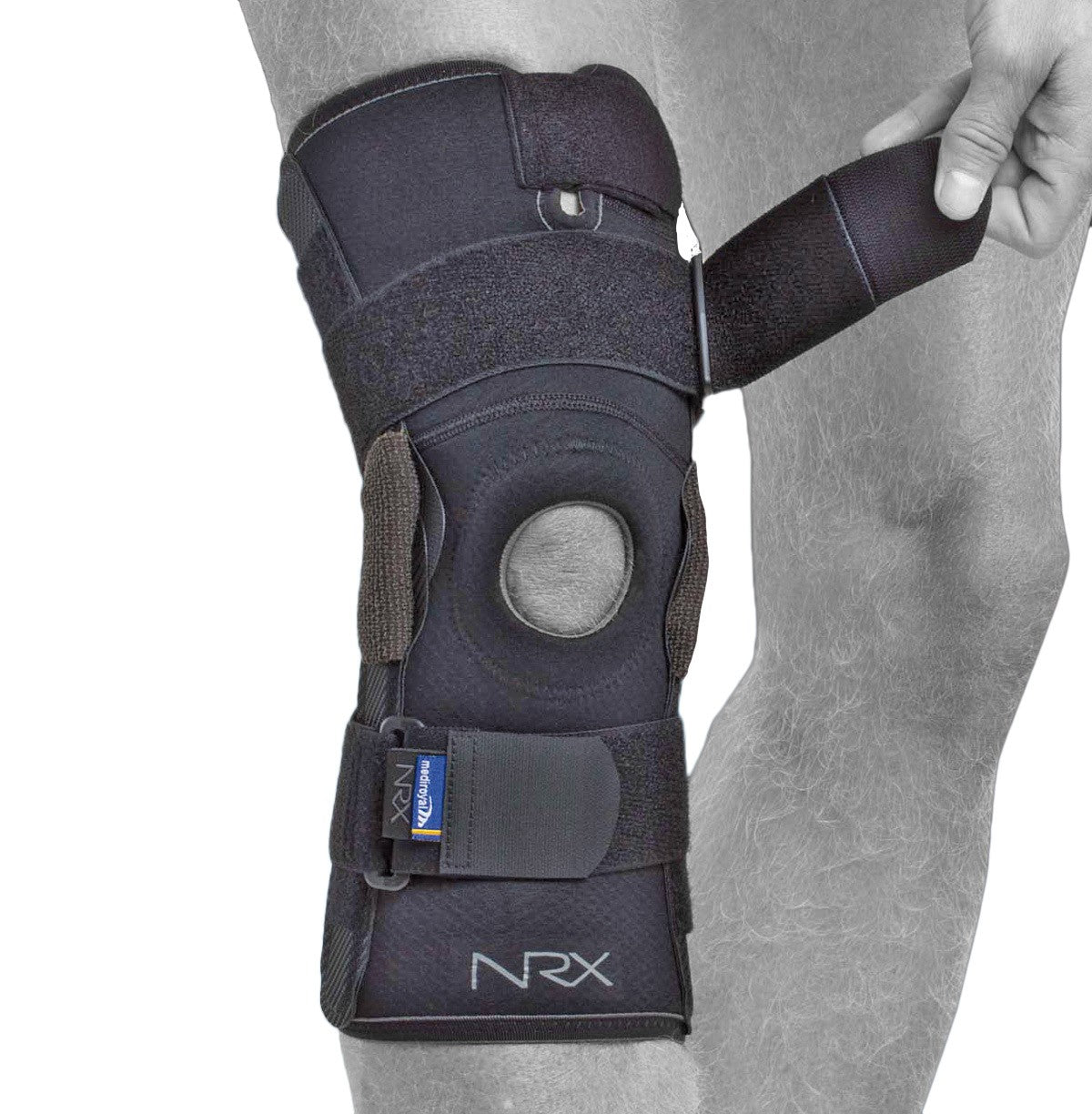
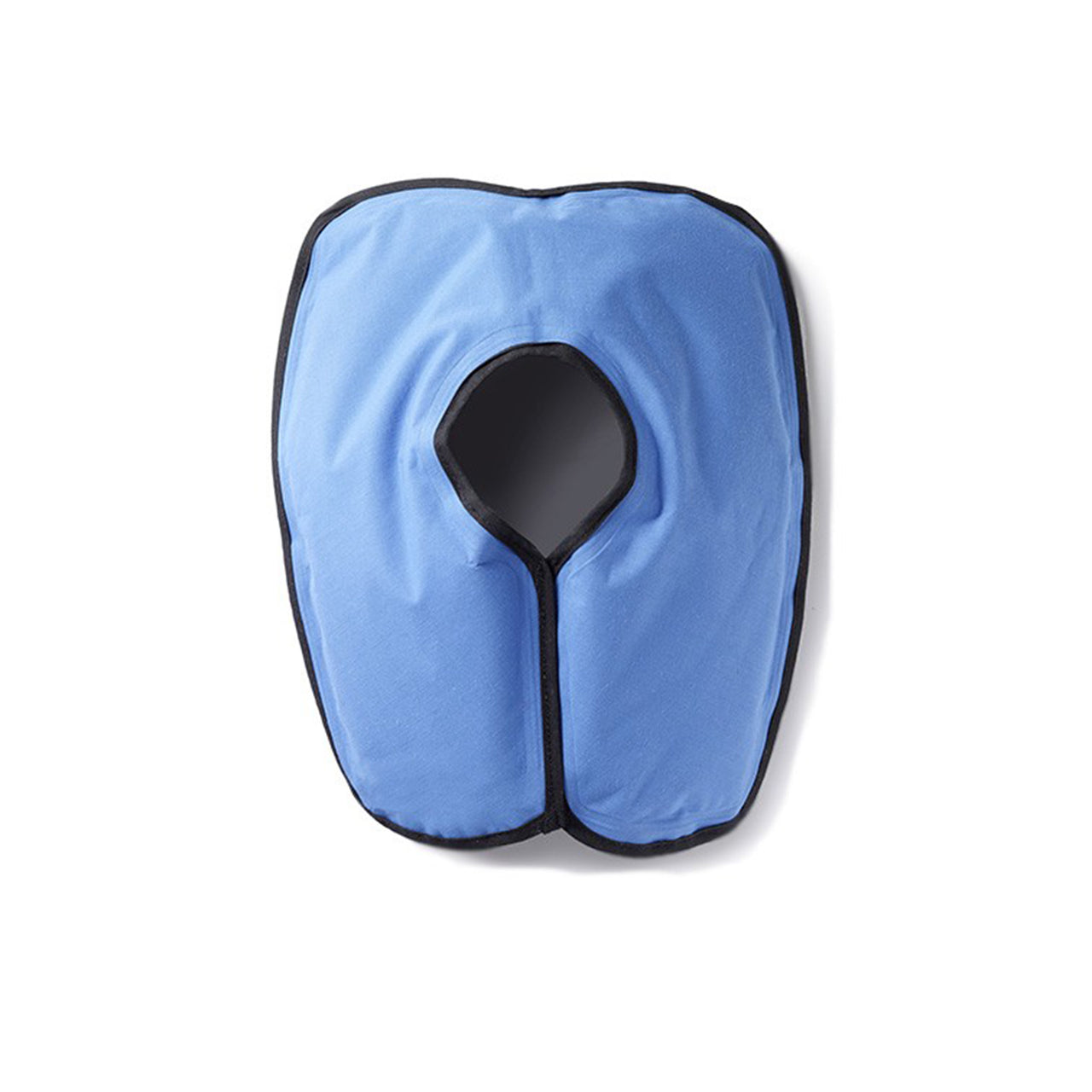
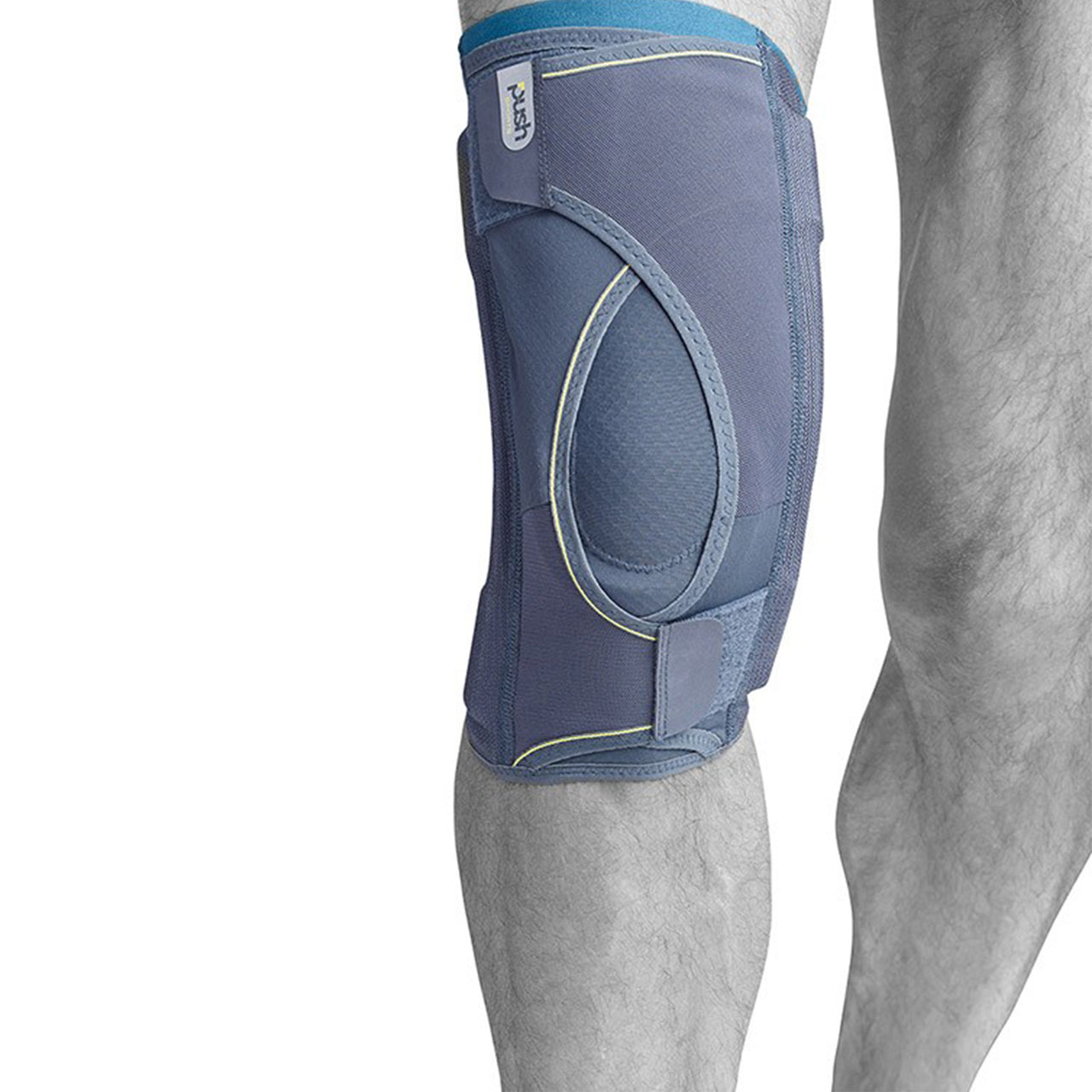
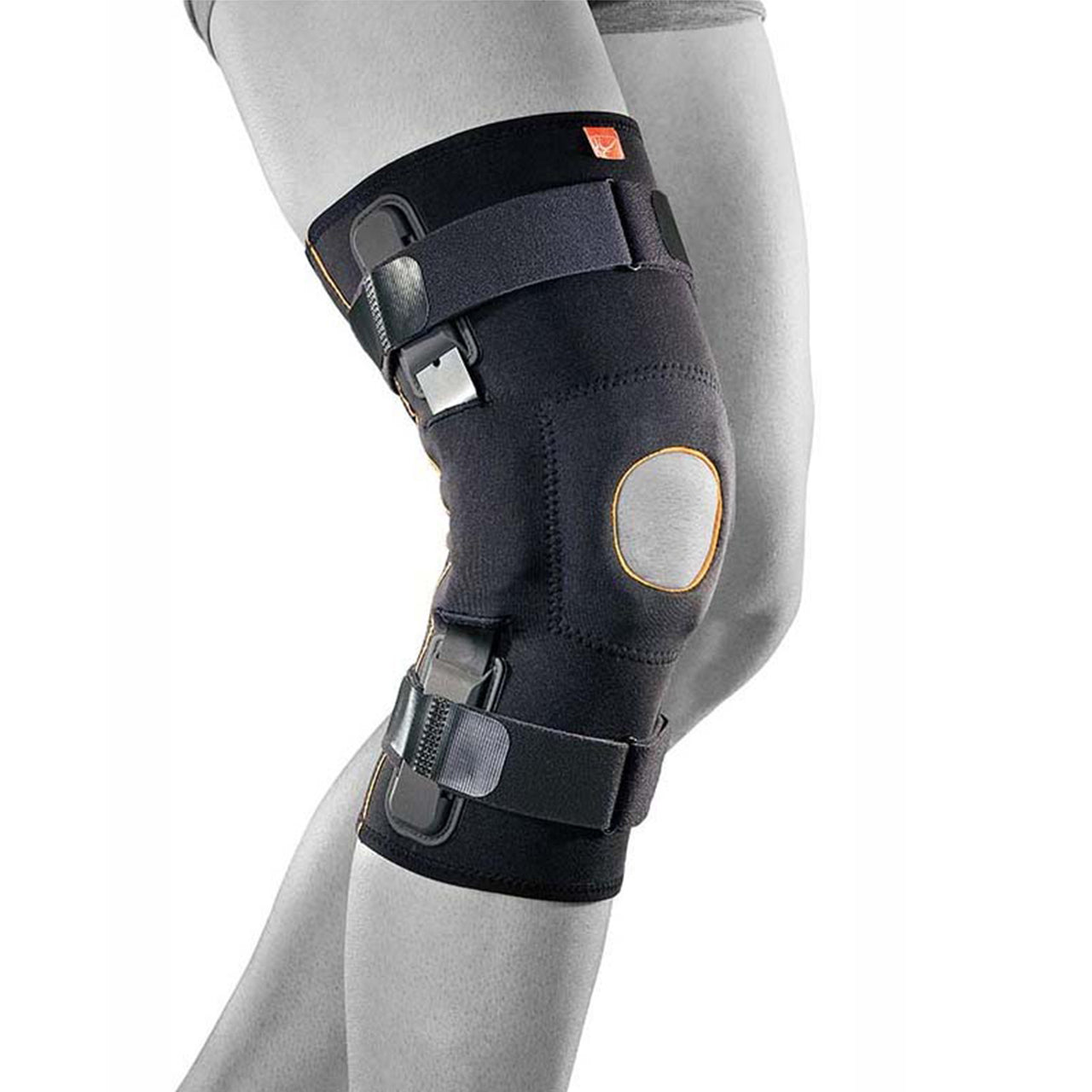
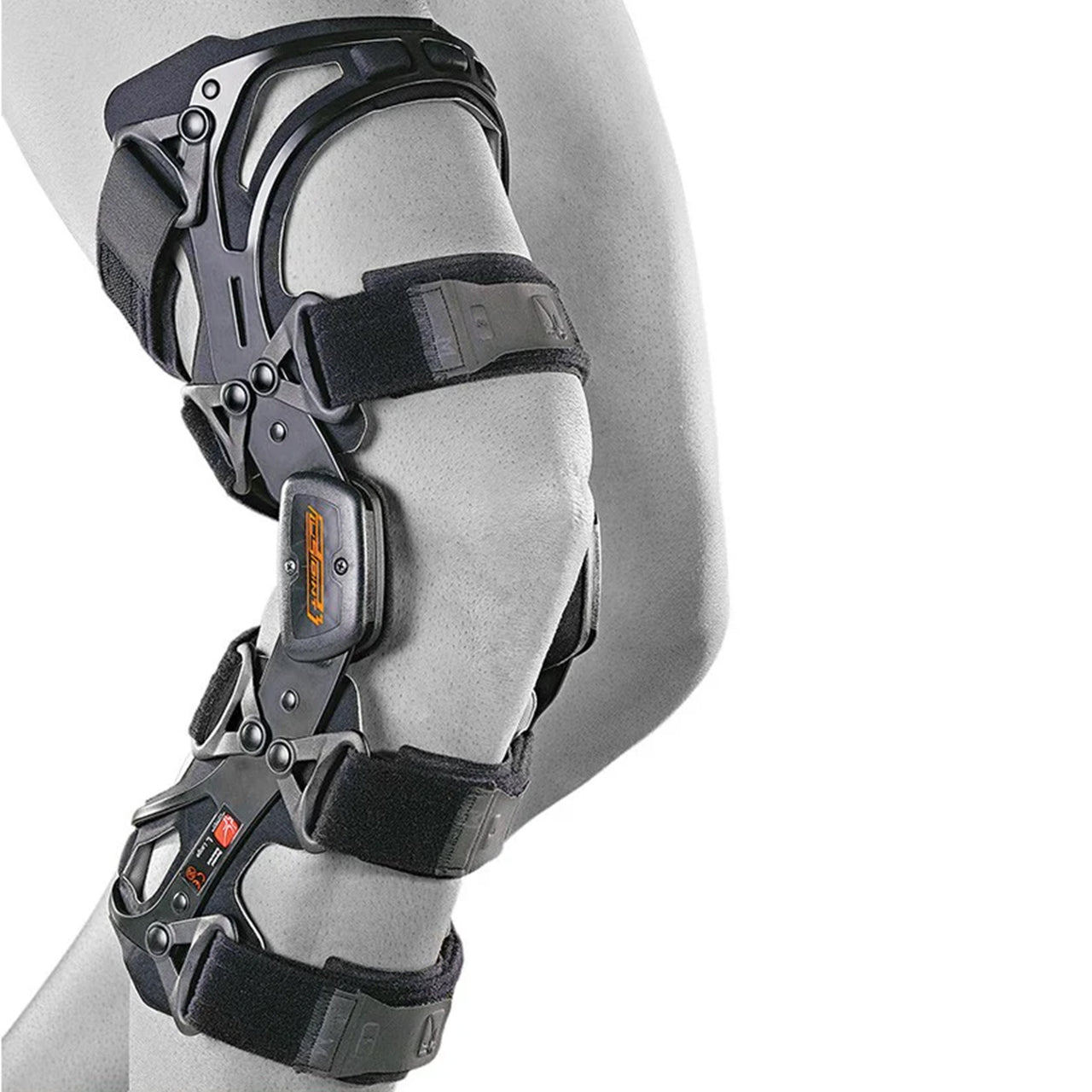
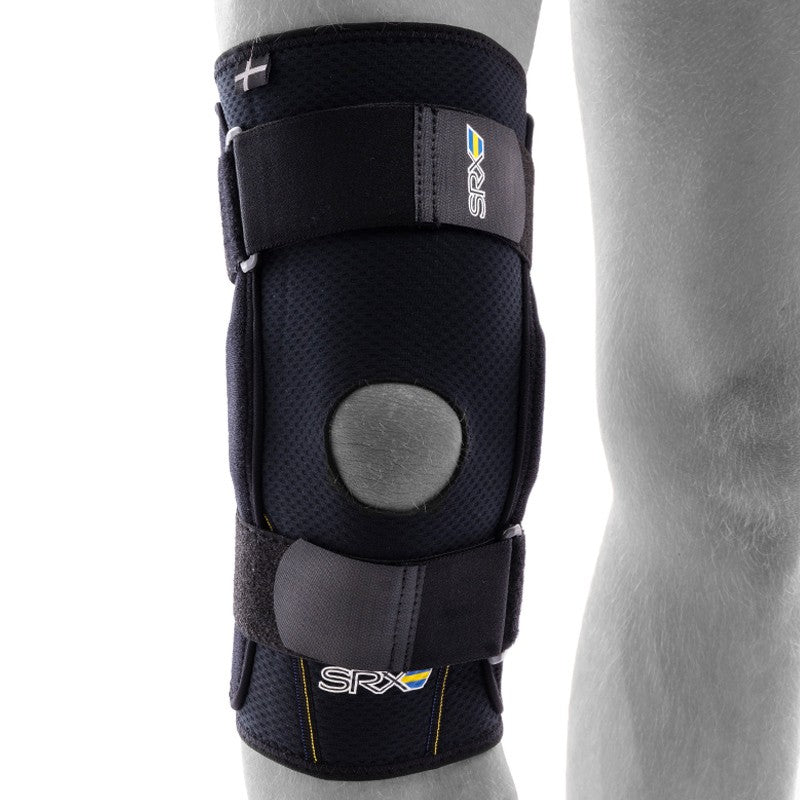
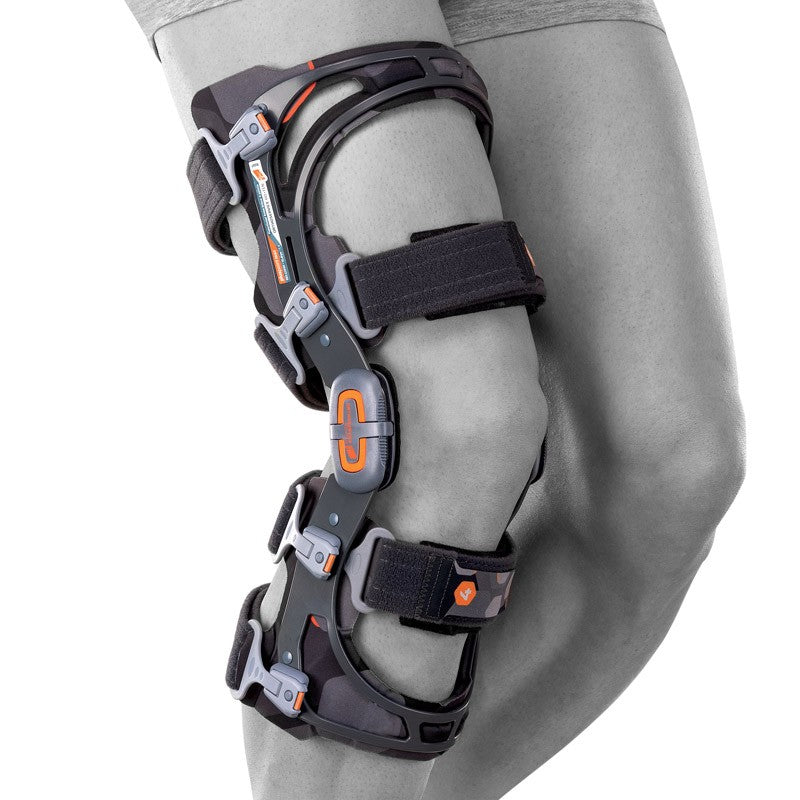
Polvituet, joissa on sivustabiloivia tukia, voivat helpottaa siteitä ja parantaa vakautta kuntoutuksen aikana. Pehmeitä polvituotteita, joissa on kompressiota, voidaan käyttää lievemmille vammoille turvotuksen vähentämiseksi ja kevyen tuen antamiseksi. Kuntoutus, joka keskittyy polven liikkuvuuden palauttamiseen ja reisien, lantion ja pakaroiden voiman harjoittamiseen, on keskeistä vakauden luomiseksi polveen ja uusiutumisen riskin vähentämiseksi. Vamman jälkeen ensimmäisinä viikkoina tulisi välttää harjoituksia, jotka kuormittavat polven sisäpuolta (sisäisen sivusiteen vammoissa). Hanki apua fysioterapeutilta kuntoutuksessa.
Katso kaikki suojat ja tuet, jotka voivat vakauttaa polven sivusiteen vammoja
Liittyvät vammat
Lisätietoja polvivaivoista löydät lisää artikkeleita Loukkaantumisoppaasta Polvi. Voit myös siirtyä Loukkaantumisoppaan pääsivulle lukeaksesi muista vammoista ja oireista.