Oikeanlainen pohjallinen voi tehdä suuren eron mukavuudessa, kuormituksen keventämisessä ja jalkojesi kuormituksessa arjessa. Riippumatta siitä, seisotko paljon, harrastatko liikuntaa tai haluatko vähentää jalkojen väsymystä, on olemassa pohjallisia, jotka voivat auttaa. Tässä blogikirjoituksessa käymme läpi erilaisia pohjallistyyppejä, mitä sinun tulisi ottaa huomioon ja kuinka löydät mallin, joka tarjoaa sekä tukea että mukavuutta arjessasi.
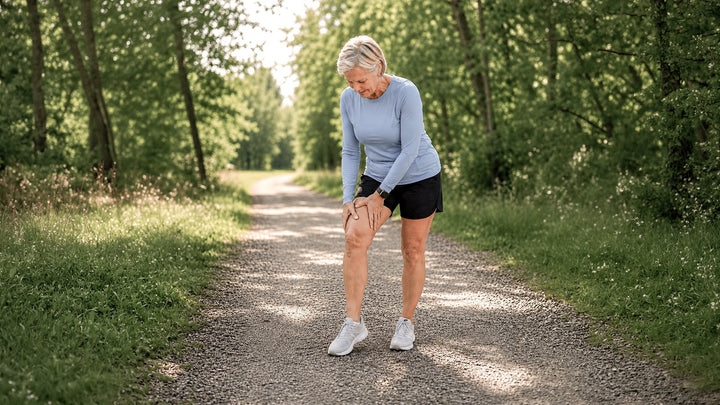
Pohjalliset voivat tehdä suuren eron jalkojesi tuntemuksessa – sekä aktiivisuuden aikana että arjessa. Jakamalla painetta tasaisemmin jalan yli ne auttavat keventämään kuormitusta herkissä kohdissa ja vähentämään rasitusta. Samalla pohjalliset voivat tukea jalkaholvia, mikä parantaa vakautta ja luonnollista jalan asentoa. Ne vaimentavat myös iskuja kävellessä ja liikkuessa, mikä voi vähentää rasitusta sekä jaloissa, polvissa että lonkissa. Yhteenvetona voidaan todeta, että pohjalliset ovat helppo tapa lisätä mukavuutta, parantaa vakautta ja ehkäistä ylikuormitusta.
Erilaiset pohjallistyypit
On olemassa useita erilaisia pohjallisia, ja valinta riippuu siitä, mitä haluat saavuttaa:
1. Iskuja vaimentavat pohjalliset
Sopii sinulle, joka:
-
Kävelee tai seisoo paljon
-
Haluaa vähentää kuormitusta polvissa ja lonkissa
Nämä pohjalliset keskittyvät mukavuuteen ja vaimennukseen enemmän kuin korjaukseen.
2. Tukea antavat pohjalliset (jalkaholvituki)
Sopii sinulle, joka:
-
On matala tai korkea jalkaholvi
-
Kokee väsymystä tai epävakautta jalassa
Ne auttavat vakauttamaan jalkaa ja voivat parantaa kehon kuormituslinjaa.
3. Korjaavat pohjalliset
Sopii:
-
Jalan virheasentoihin
Nämä pohjalliset ovat enemmän ohjaavia ja niitä käytetään usein erityisten vaivojen yhteydessä. Lisätietoja erilaisista vammoista ja ongelmista jaloissa voit lukea vammopäiväkirjastamme.
Mitä minun tulisi ottaa huomioon valitessani pohjallista?
Tarpeesi
Pohdi, mihin tarvitset apua:
-
Mukavuus → valitse vaimentava pohjallinen
-
Vakaus → valitse tukeva pohjallinen
-
Erityiset ongelmat → valitse enemmän korjaava malli
Kenkätyyppi
Kaikki pohjalliset eivät sovi kaikkiin kenkiin:
-
Ohut pohjallinen → parempi arkikengissä
-
Paksumpi pohjallinen → sopii urheilukenkiin
Toiminta
-
Arki → keskittyminen mukavuuteen
-
Urheilu → keskittyminen vakauteen ja vaimennukseen
-
Työ (seiso/kävele paljon) → yhdistelmä tukea ja kuormituksen keventämistä
Viisi pohjallista fysioterapeutiltamme
Tässä fysioterapeutti vinkit viidestä suositusta pohjallisesta valikoimassamme.
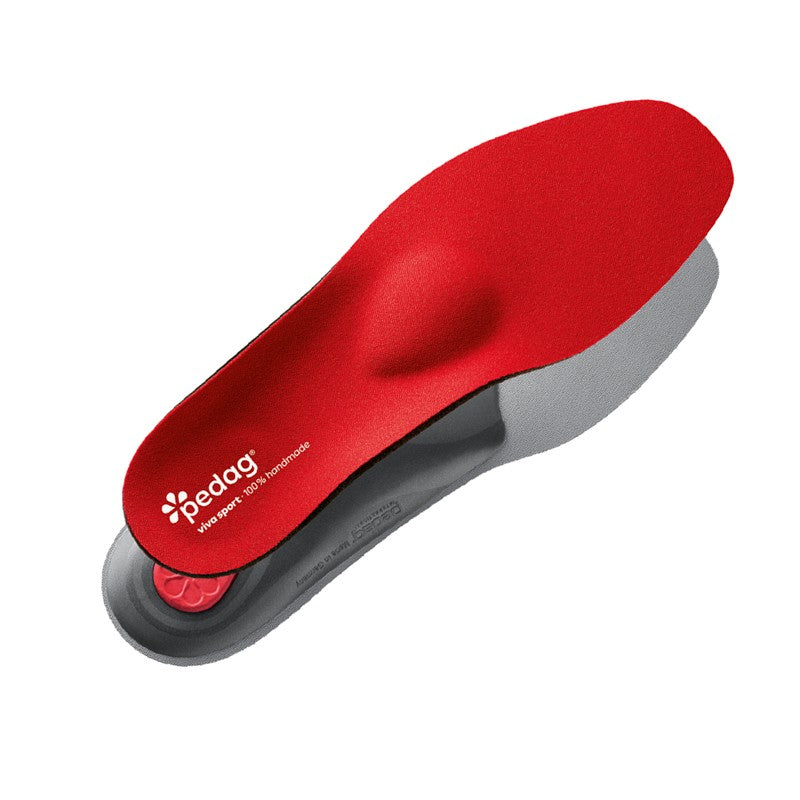
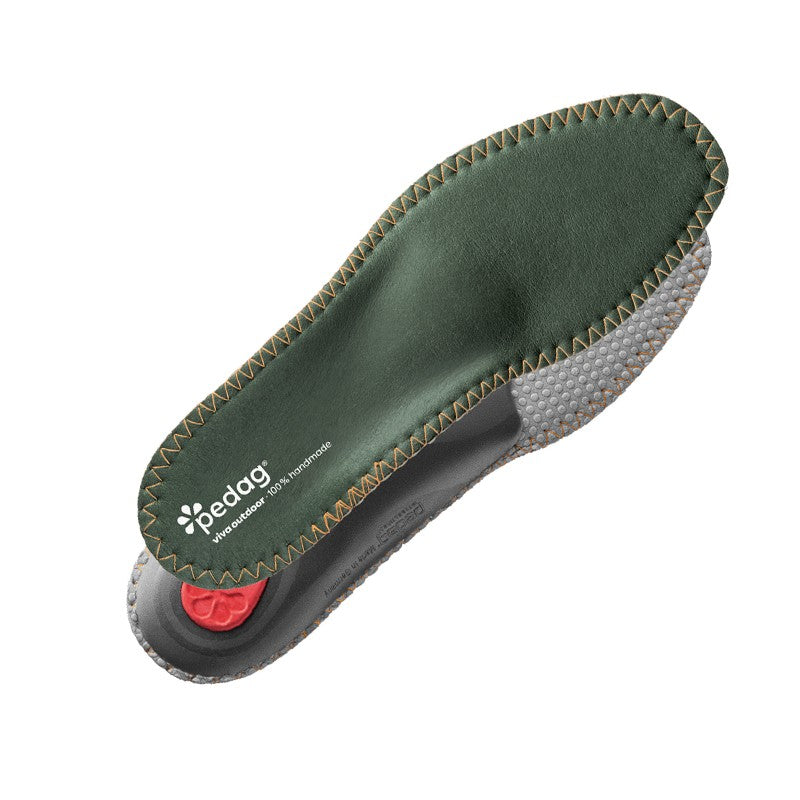
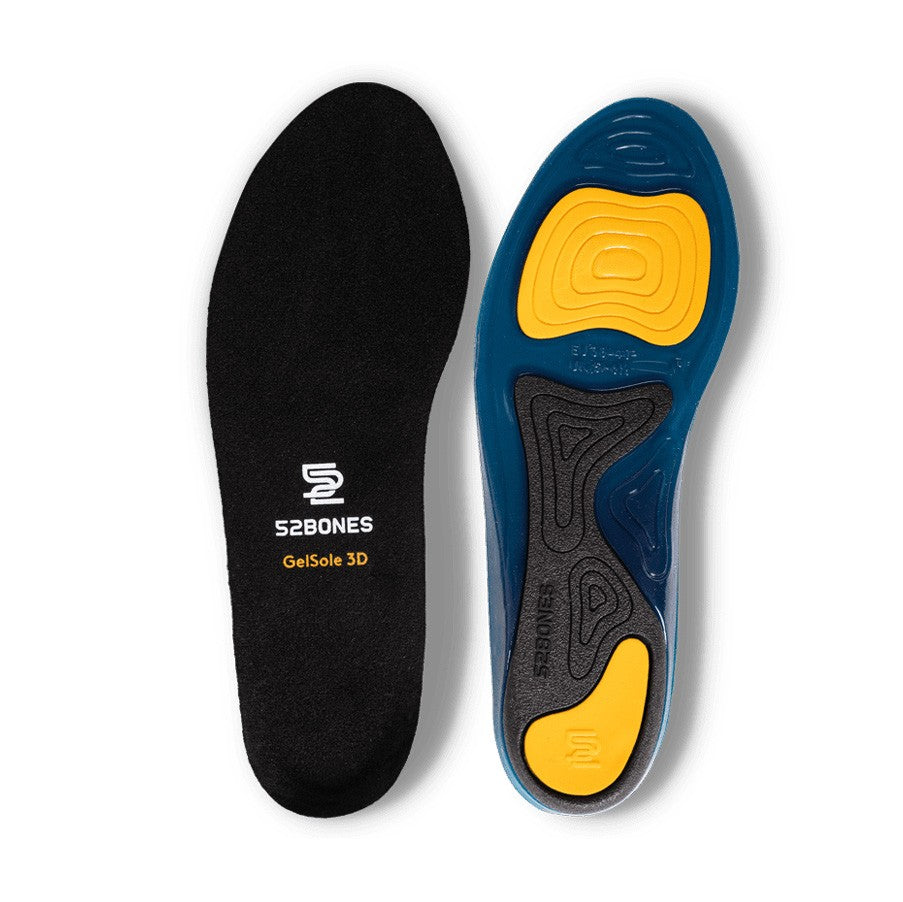
- Pohjallinen Cush on iskuja vaimentava pohjallinen kestävästä PU:sta, joka tarjoaa tasaisen vaimennuksen koko jalalle ja jossa on lisävaimennus kantapäässä. Pohjallinen tukee jalkaholvia ja on saatavilla kahdessa mallissa – Cush ja Cush Plus – riippuen jalkaholvisi korkeudesta. Pohjallista voidaan käyttää sekä urheilussa että arjessa.
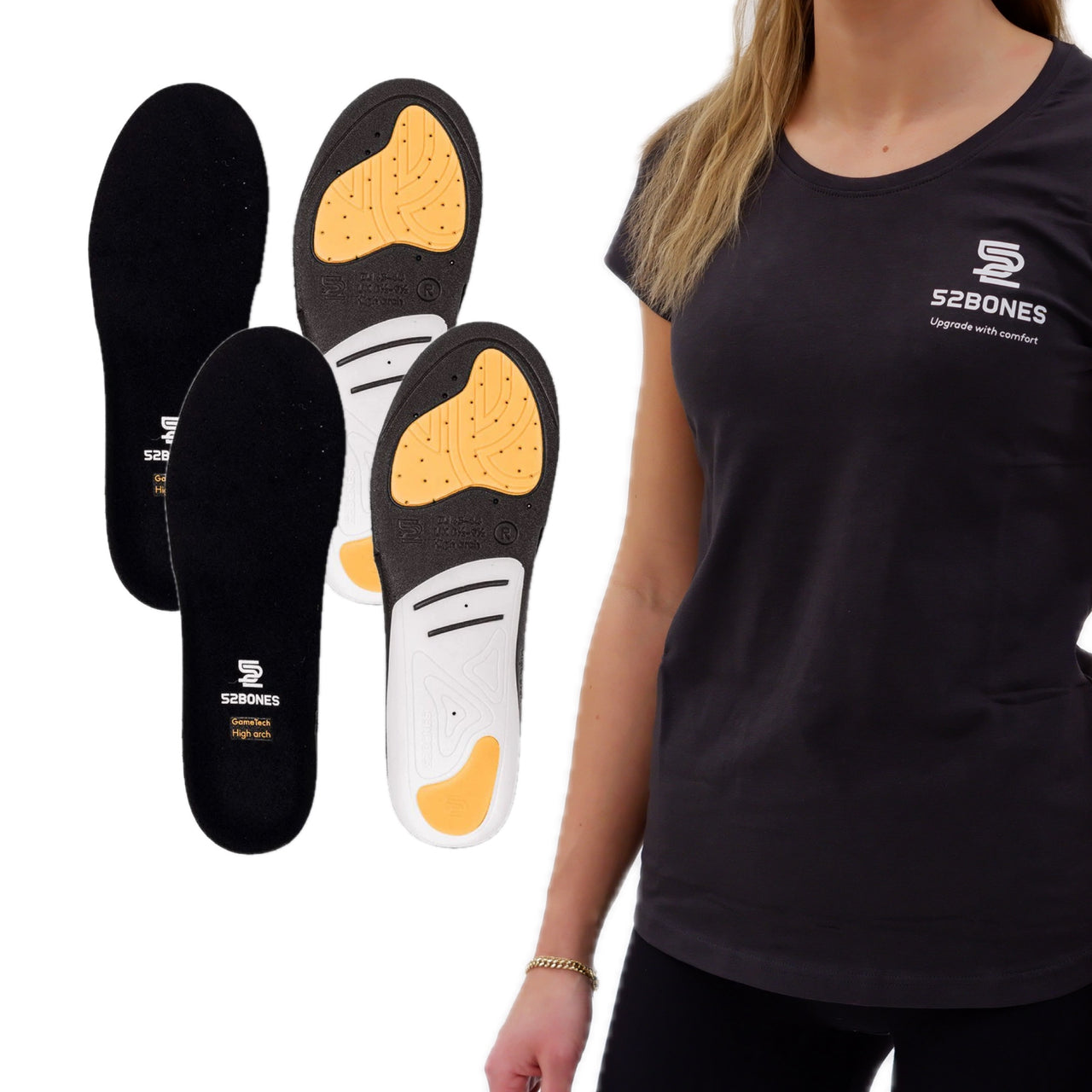
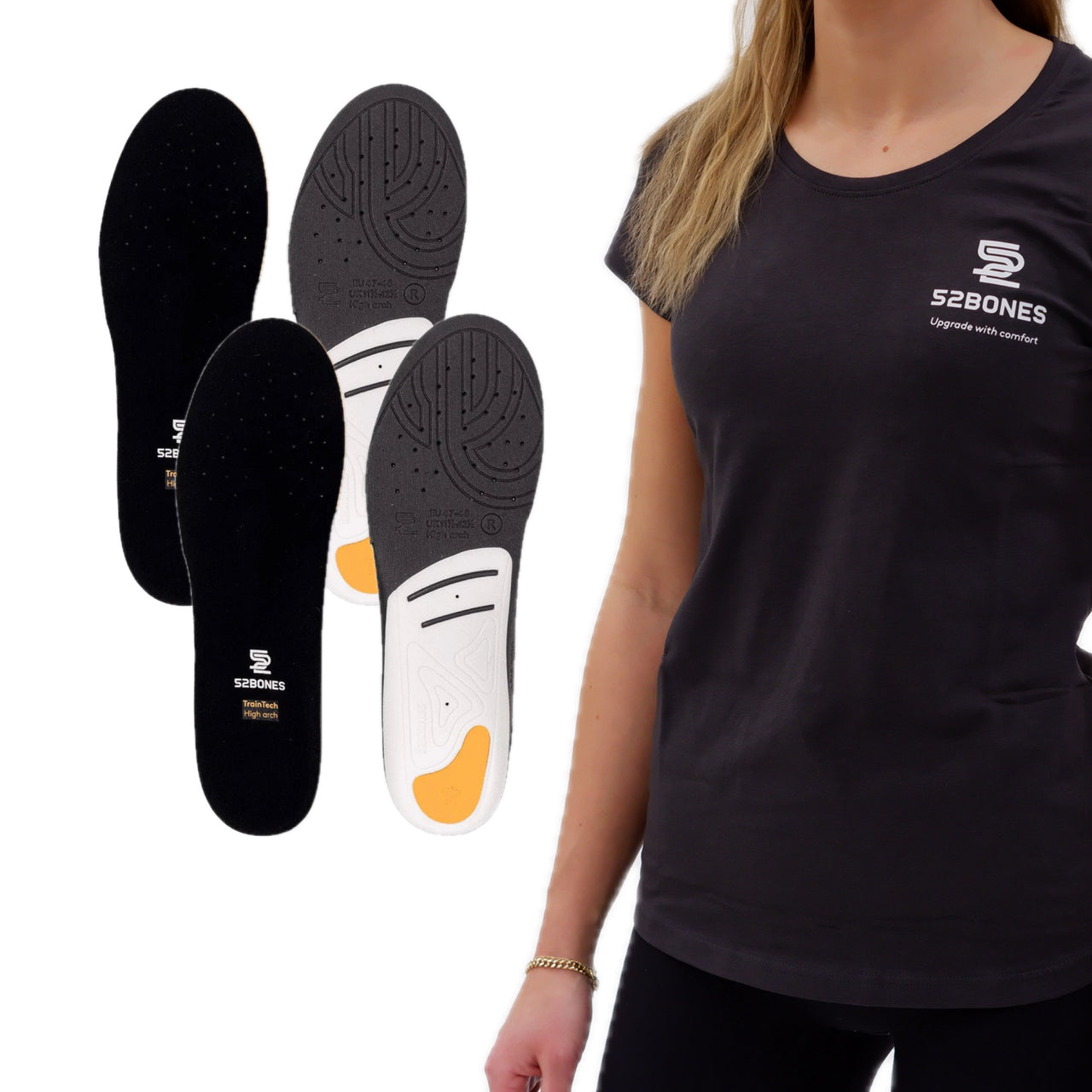
- GameTech on erityisesti suunniteltu urheiluun ja tarkemmin sanottuna lajeihin, joissa on räjähtäviä liikkeitä, kuten pallo- ja mailapelit. Pohjallinen yhdistää vaimennuksen kantapään ja keskijalan tuen kanssa ja on saatavilla kolmessa mallissa, matalalle, keskimääräiselle tai korkealle jalkaholville.
- Pronationspohjallinen MOW on valmistettu muotonsa pitävästä EVA:sta ja siinä on viistomuotoinen rakenne, jossa pohjallisen sisäpuoli on korkeampi kuin ulkopuoli, mikä vähentää jalan ylipronaatioita ja edistää neutraalia jalan asentoa.
- Meidän jalkaholvituki matalalle ja litteälle jalkaholville on ohut pohjallinen perforoidusta mikrosuodattimesta, joka on erityisesti suunniteltu henkilöille, joilla on matala tai litteä jalkaholvi ja joka sopii arkikenkiin. Pohjallinen tarjoaa vakaata tukea kantapäässä, keskijalassa ja päkiällä.
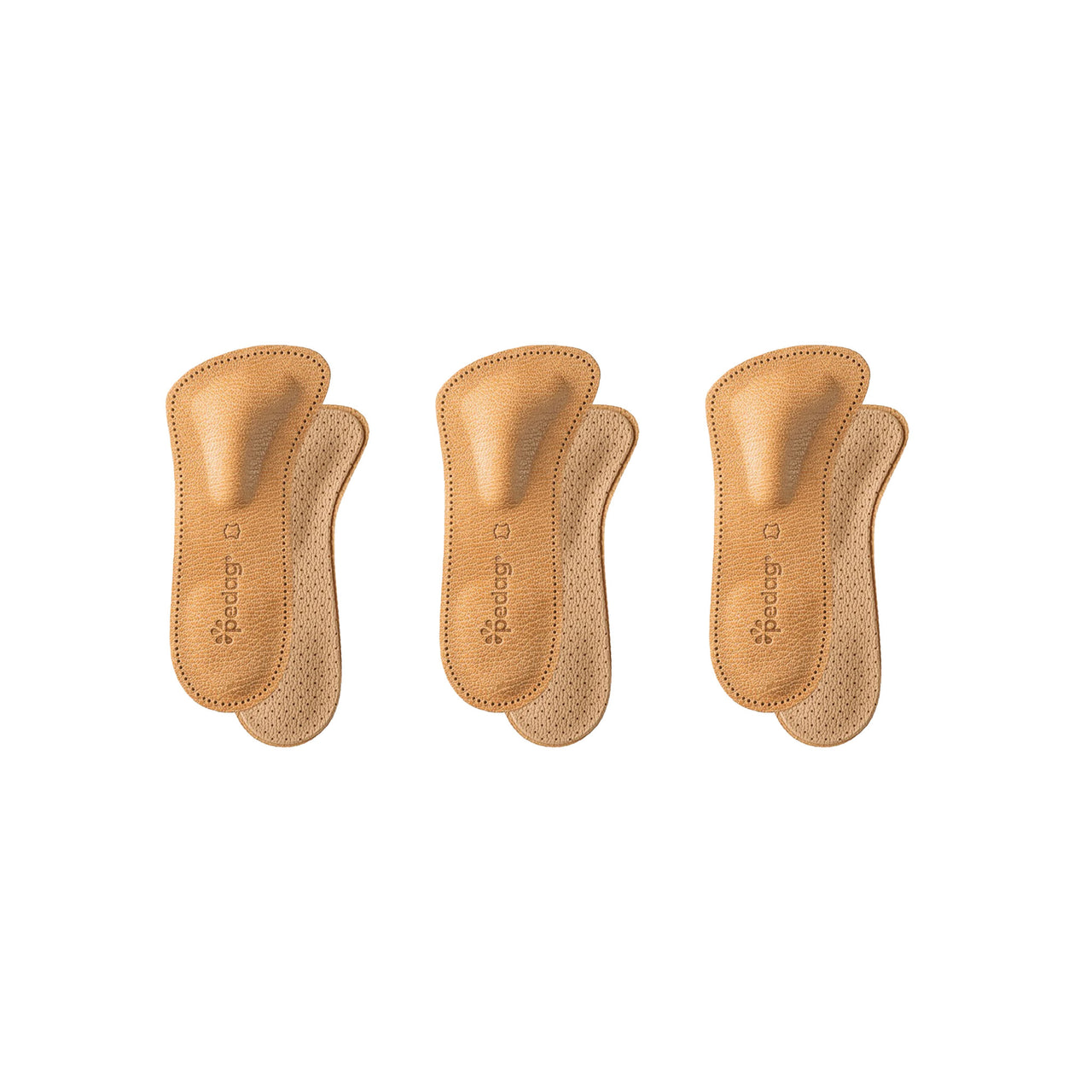
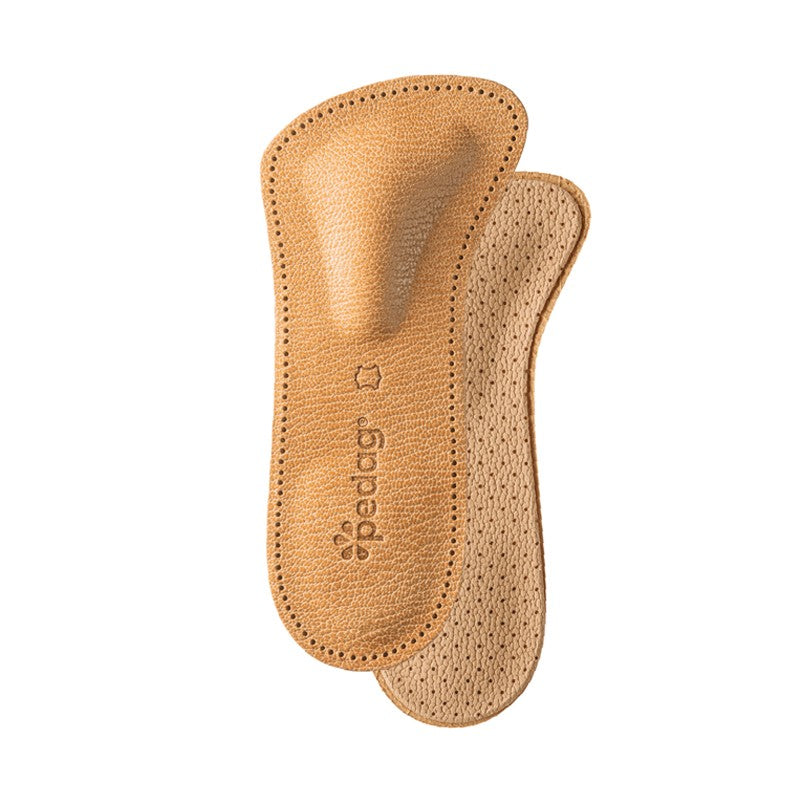
- Meidän päkiätuki on 3/4-pohjallinen, joka asetetaan kengän sisäpohjan päälle. Pohjallinen on erittäin ohut ja päättyy juuri ennen etujalkapohjaa, jossa on niin sanottu päkiätuki. Tuki on pieni tyyny, jonka tarkoitus on nostaa ja keventää etujalkaholvia, mikä voi lievittää oireita esimerkiksi vaivaisenluun tai Mortonin neurooman yhteydessä.
Katso kaikki urheilu- ja arkipohjalliset
Katso kaikki päkiätukipohjalliset
Katso kaikki erikoispohjalliset
Milloin tarvitaan yksilöllisesti räätälöityjä pohjallisia?
Pitkäaikaisissa tai toistuvissa vaivoissa yksilöllisesti räätälöidyt pohjalliset voivat olla parempi vaihtoehto.
Yhteenveto
Oikea pohjallinen tarjoaa tasapainon tuen ja vaimennuksen välillä, mikä voi vähentää kuormitusta, lisätä mukavuutta ja antaa vakaamman tunteen askeleessa.
Tarvitsetko apua valinnassa? Meidän asiakaspalvelumme opastaa sinua mielellään!